One of the biggest snacking days of the year is almost here, and consumers are hungry for cheaper chips.
The good news: Some Super Bowl snacks could cost less this year.
PepsiCo announced this week that it is cutting prices up to 15% for several popular snacks including Doritos, Lay’s, Cheetos and Tostitos.
The price cut comes after years of rising costs at the supermarket. Grocery prices have climbed 2.4% over the last year and 25.6% over the last five years, according to the Bureau of Labor Statistics.
And salty snack retail prices jumped around 38% from 2020 to mid-2024, according to a report from Jefferies.
Those higher prices are weighing on many consumers. A new report from Pew Research Center this week found 66% of Americans are very concerned about the price of food and consumer goods.
“They are value-obsessed now, and it’s out of necessity,” said Brian Choi, managing partner and CEO at The Food Institute, an industry data and consulting firm.
“You’re seeing consumers shift down to private labels, so not the Doritos,” he said.
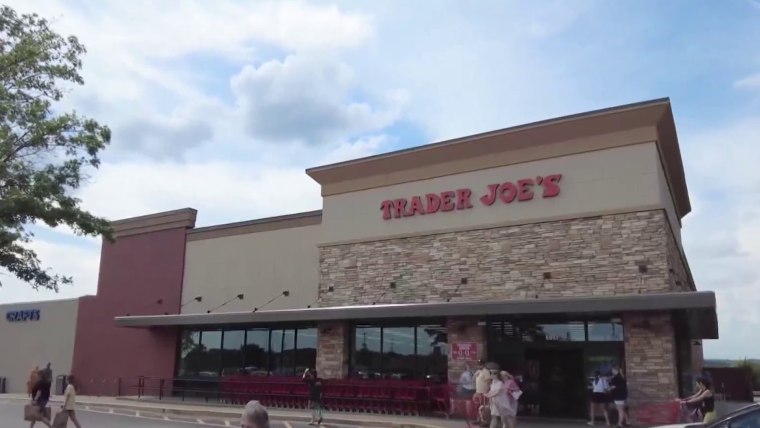
“They’re looking for the Aldi version, or the Trader Joe’s version because a lot of times, the price of chips are $2, maybe even $3, lower per package.”
The discount supermarket chain Aldi has seen explosive growth in recent years. Aldi said 17 million new customers visited its American stores in 2025, and it plans to open more than 180 stores in the U.S. this year alone.
This shift to store brands and away from retail brands could pose a challenge to companies like Pepsi, which makes Doritos and Ruffles, and Mondelez, which makes Oreos and Ritz crackers.
“The average shopping basket of the consumer in the U.S., whether you’re in the higher or in the lower social economic classes, has not increased for the last two, three years,” said Dirk Van de Put, chairman and CEO of Mondelez, on a call with analysts this week.
“Within that basket, they have spent more money on the basics: milk, meat, bread and so on. And as a consequence, snacking is being affected.”
Economists say consumers are separating into two tiers — what they’re calling a K-shaped economy. The wealthy, benefitting from stock market gains and higher wage growth, are driving an outsize share of consumer spending.
Meanwhile, many lower- and middle-income Americans feel like their paychecks can’t keep up with rising costs for food, housing, utilities and child care — and are falling behind.
“There is clearly a group of consumers, the more wealthy consumers that do spend differently,” said Van de Put. “You can see that things like premium and better-for-you are growing within the snacking markets.”
“But the bulk of the consumers, they are really into value-seeking,” he added.
PepsiCo’s decision to cut its chip prices could help the company to hold on to loyal customers and potentially even build goodwill with shoppers who are looking for deals.


