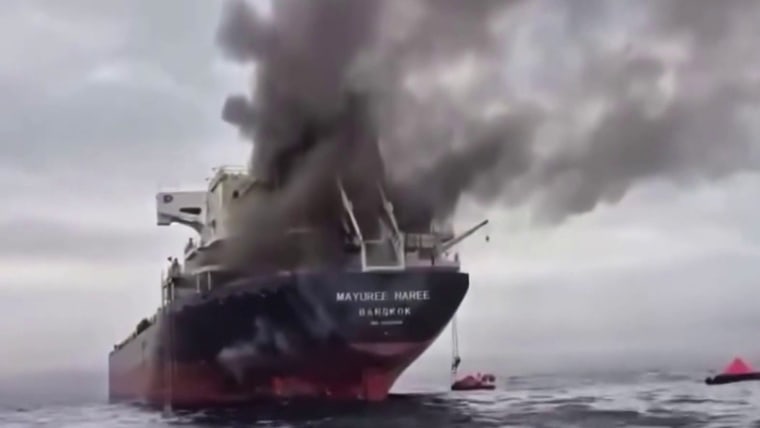
The price of oil soared more than 10% on Thursday as the International Energy Agency warned the U.S.-Israeli war on Iran was "creating the largest supply disruption in the history of the global oil market."
The price of international Brent crude oil rose 9%, to more than $100 per barrel, while U.S. crude oil climbed above $96.
Stocks tumbled on the ripple effects the oil market disruption was causing. At the closing bell, the S&P 500 was down more than 1.5%, the Nasdaq had fallen 1.8%, and the Dow had slipped 740 points. The Russell 2000, which tracks small and mid-size companies, plunged 2%.
The average 30-year fixed-rate mortgage rose to 6.30%, the highest it has been since early February. It is being pushed higher by U.S. government bonds, which have also been rising because of the war.
"This absolutely dwarfs what we saw in the Russia-Ukraine crisis," Helima Croft, chief commodities strategist at RBC Capital Markets, said in an interview.
U.S. crude oil prices have risen more than 40% since the start of the war, bringing retail gas prices along with them. Since March 1, gas prices have risen nearly 70 cents to hit $3.59 per gallon on Thursday, according to GasBuddy.
President Donald Trump appeared to downplay the impact the rising cost of oil is having on consumers. “When oil prices go up, we make a lot of money,” he said Thursday on Truth Social.
“BUT, of far greater interest and importance to me, as President, is stoping an evil Empire, Iran, from having Nuclear Weapons, and destroying the Middle East and, indeed, the World,” he added.
Overnight, a key terminal for oil exports in Oman was reportedly evacuated after tankers anchored off Iraq were attacked. Iraq also suspended operations at its oil terminals. Officials in Saudi Arabia, Dubai and Kuwait also reported multiple strikes and drone sightings.
Iran’s new supreme leader also said Thursday that the Strait of Hormuz, a critical transit point for oil tankers, should be shut, according to state TV.
The ongoing attacks have deepened fears that the war with Iran will be long and that the Strait of Hormuz will remain closed for the foreseeable future, potentially leading to an energy supply crisis.
"We have never had the most important waterway for energy effectively closed," Croft said.
“The Strait of Hormuz is the big one," said Croft, who began her career in Washington working for the U.S. intelligence community. "It's always what intelligence analysts, military planners have been concerned about."
The White House has repeatedly said Trump is “prepared to provide U.S. Navy escorts” through the strait.
But on Thursday, Energy Secretary Chris Wright struck a different tone. “It’ll happen relatively soon, but it can’t happen now,” Wright told CNBC.
Treasury Secretary Scott Bessent told Sky News later Thursday: "As soon as it is militarily possible, the U.S. Navy, perhaps with an international coalition, will be escorting vessels through."
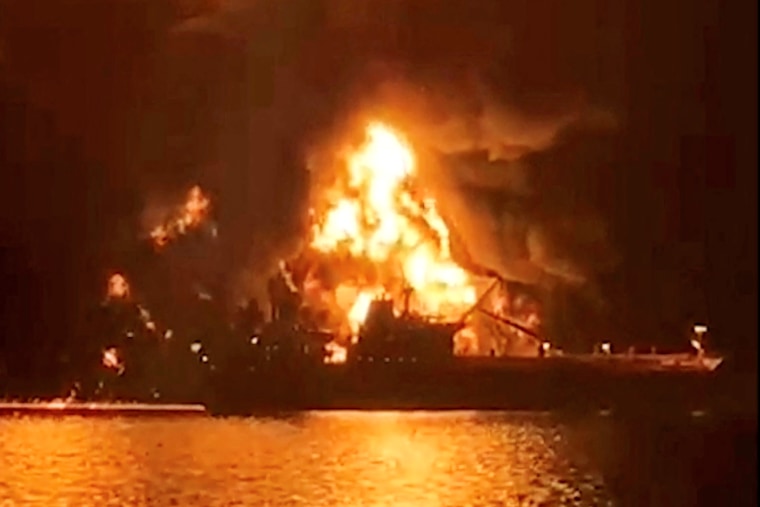
In the face of deadly Iranian strikes on tanker ships and longer-term supply shortages, both major companies and oil-reliant nations found themselves in unfamiliar territory this week.
India’s energy minister announced Thursday that his country, the world’s most populous, would take new steps to limit fuel use by some businesses to ensure “there is no hoarding or black marketing” of oil and gas while supply is hampered by the war.