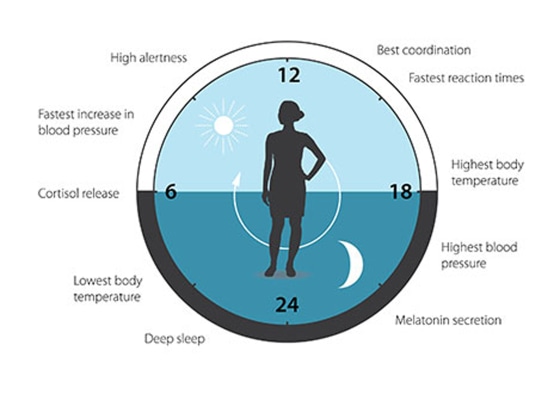
Three American researchers won the Nobel Prize in Medicine on Monday for discovering what makes us tick — the molecular circuitry of the body clocks that control life on Earth.
Their work, done over decades, helps explain how life adapts to the 24-hour cycle of day, and also how diseases such as cancer arise in the cells. Their discoveries form the basis for countless other research initiatives.
“Jeffrey C. Hall, Michael Rosbash and Michael W. Young were able to peek inside our biological clock and elucidate its inner workings,” the Nobel committee said in its statement.
“Their discoveries explain how plants, animals and humans adapt their biological rhythm so that it is synchronized with the Earth's revolutions.”
Related: Gene Mutation Turns People into Martians
As often happens, the researchers were awakened with a surprise phone call.
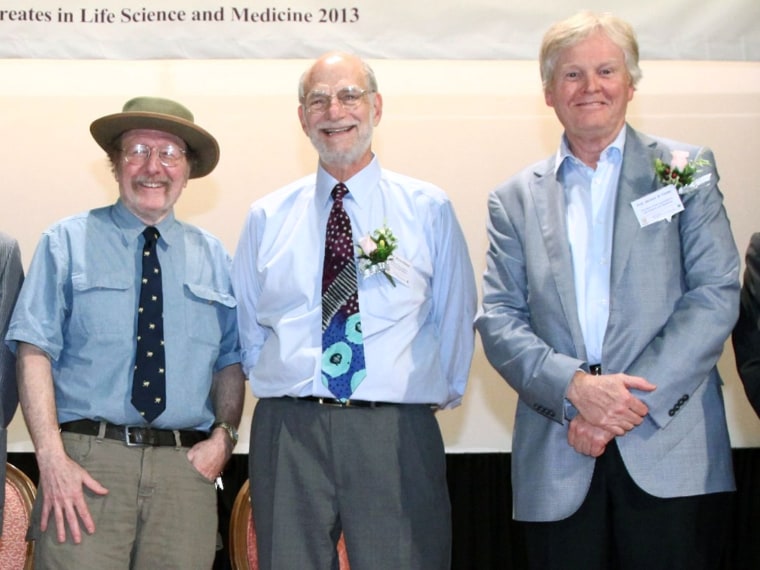
"This really did take me by surprise and I really had trouble getting my shoes on this morning," a tie-less, somewhat rumpled Young told a news conference Monday morning.
"The phone call at 5:10 this morning destroyed my circadian rhythms by waking me up," Rosbash, 73, told a separate news conference.
And they admit they don't quite know much about the most basic effect of clock genes — sleep.
"The purpose of sleep is something that remains quite mysterious," Young said. "While we don’t know what it’s for, we know that it’s important."
The Nobel committee keeps its choices secret until the announcement is made each October. Researchers usually suspect they are on the short list, but never know if or when they may be chosen.
The prizes often go to teams working together, and never to more than three living people.
Most living things have a circadian rhythm. The word comes from Latin terms: circa, for “around” and dies for “day”.
Hall and Rosbash, both then at Brandeis University in Massachusetts, and Young of Rockefeller University did research that found an elaborate internal clock of genes and the cellular functions that DNA controls working together in much the same way the gears and springs in an old-fashioned timepiece do, with interconnected functions controlling one another.
“With exquisite precision, our inner clock adapts our physiology to the dramatically different phases of the day,” the Nobel committee, which awards the $1.1 million prizes annually, said.
"While we don’t know what it’s for, we know that it’s important."
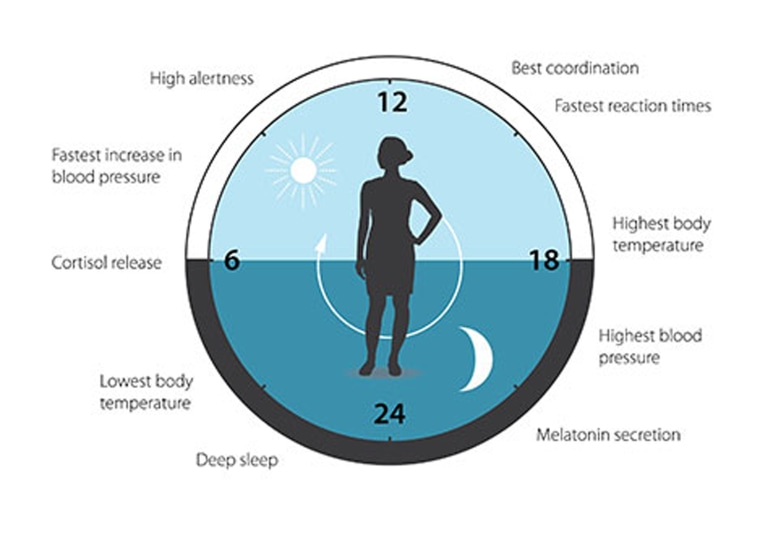
“The clock regulates critical functions such as behavior, hormone levels, sleep, body temperature and metabolism.”
And it all started with fruit flies. The three men isolated the “period” gene in fruit flies, which share many genes with humans, including the period gene.
Related: Cancer Cells Hijack Body Clock

