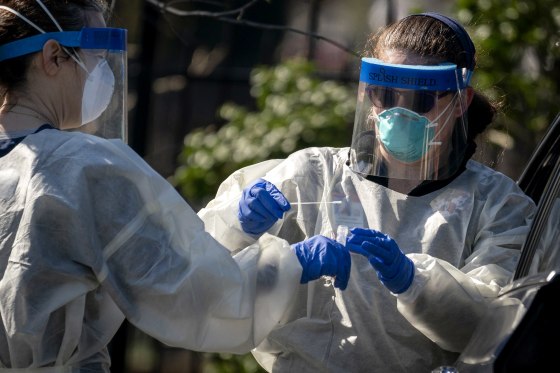
The vast majority of coronavirus tests are being processed by private clinical laboratories. But the industry continues to face challenges, says the trade group that represents the nation's private labs, leading to difficulty increasing capacity and delays in test results that can top a week — especially in hard-hit areas like New York and South Florida.
"The challenges facing labs today should not be underestimated," said a spokesperson for the American Clinical Laboratory Association, or ACLA. "There are widespread shortages of test kits, specimen collection materials, personal protective equipment and reagents. Currently, there is no established funding mechanism to support testing capacity now or in the future, and many labs are at risk of absorbing significant costs for uncompensated testing."
In the month since they began testing, private labs have conducted nearly 1.5 million tests — more than 85 percent of all U.S. tests. Some of the largest companies are now able to process more than 35,000 samples a day. While many testing companies estimate times for results within two to five days, in the past month, people around the country have found themselves waiting a week or sometimes nearly two to learn whether they have COVID-19, the disease caused by the virus. Testing speed is starting to catch up, but even at one of the top two private lab companies — Quest Diagnostics — there is still a backlog of about 80,000 tests.
Full coverage of the coronavirus outbreak
Since the first coronavirus cases appeared in the country, the U.S. has struggled to ramp up testing. Approval processes for both public and private labs to begin testing were drawn out, labs faced shortages of critical supplies like swabs and N95 masks, and there were not enough testing kits. Confusion about who will cover the cost of testing for millions of Americans — the government, insurance companies, the labs themselves or some combination — still remains.
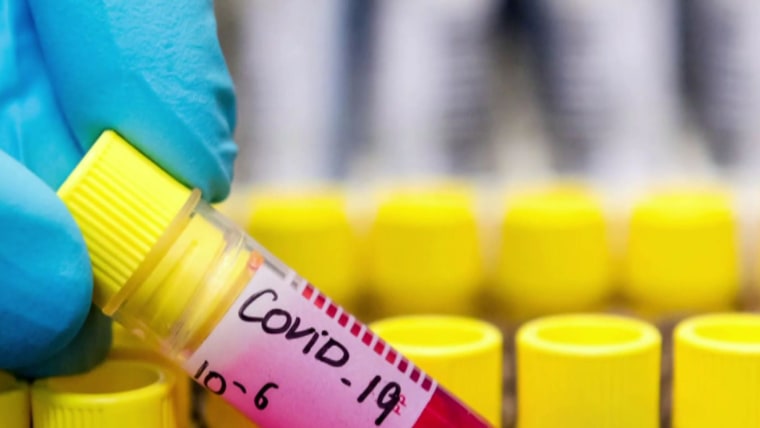
But labs say that as more private labs began to test, a failure to prioritize truly urgent samples over lower-risk cases led to delays, with turnaround times that could be longer than a week.
"Typically, 24 hours would be considered a long time to get a test [result] for a viral infection," Ann Maxwell, assistant inspector general for the Department of Health and Human Services, told NBC News, discussing a new inspector general's report that found that hospitals are struggling with confusing federal guidance and shortages of gear and testing supplies. "The hospitals were telling us they were waiting up to seven days to get their test results."
Hospital chiefs said the delay in testing caused other problems. Patients stayed in hospital beds while waiting for results, reducing the availability for other patients; staff members used precious personal protective equipment in interactions with patients they may not have needed it for; and staff members were unable to determine whether they had contracted or been exposed to the virus in a timely manner.
"One hospital reported that these delays put patients at risk because physicians were unable to make effective treatment decisions without the test results," the report said.
Prioritization
Testing in the U.S. began in January at the Centers for Disease Control and Prevention and then expanded to state and local public health labs, although efforts to roll out nationwide testing quickly were bungled, characterized by bureaucratic delays and the CDC's sending flawed test kits to local labs.
The country's public labs are not designed to handle large volumes of tests, anyway — only commercial labs can do that. But the rollout of commercial testing was even slower. The federal government did not issue guidance allowing commercial laboratories to perform tests until Feb. 29, and companies began testing within a week.
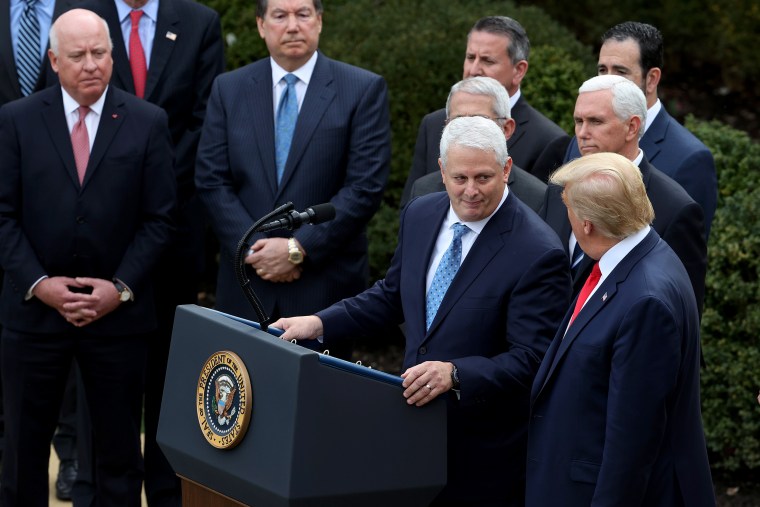
Less than a week later, the ACLA met with Vice President Mike Pence and the White House coronavirus task force about the challenges labs were facing. It recommended that the federal government issue emergency authorizations for a wide range of testing platforms to increase capacity; update guidance for providers requesting tests, so those most in need of tests or are at high-risk for COVID-19 can get access them as quickly as possible; and provide funding for crucial testing resources.
Download the NBC News app for full coverage and alerts about the coronavirus outbreak
To date, the challenges for private labs remain the same, according to the ACLA. No designated funding for labs to support expanded COVID-19 testing was in any of the federal coronavirus stimulus packages.
While there are test kits available but not in use around the country, not all kits work with all testing platforms. The materials and components must match each platform, which has contributed to delays and backlogs. With low volumes of supplies like kits, reagents and swabs, labs may not always be able to match kits and platforms, the ACLA said.
One of the other biggest challenges for labs has been prioritization. The CDC has issued several versions of testing guidelines in recent weeks, but the ACLA said the guidance alone was not enough. "Many stakeholders are still unaware of the new guidelines," the organization told NBC News.
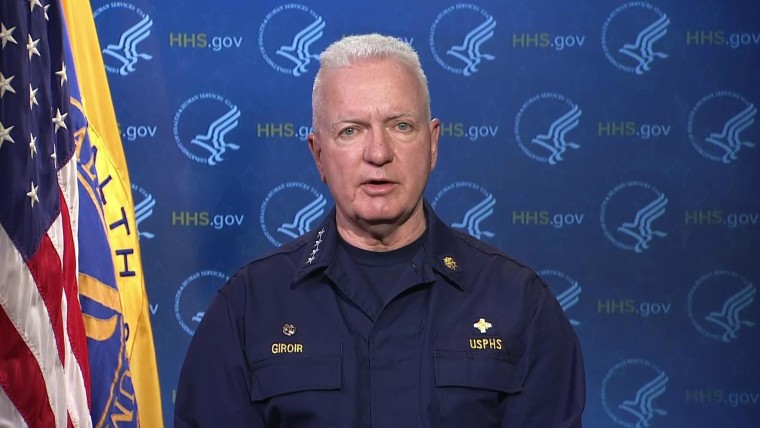
Concerned about delays in testing high-risk cases, the ACLA wrote a letter to the head of the CDC on Thursday, urging the agency to promote its guidance more widely to medical providers ordering tests and to the public.
"Testing capacity at this time remains insufficient to meet the needs of all Americans," Julie Khani, president of the ACLA, said in the letter. "Without immediate and aggressive education to physicians, hospitals and other providers, as a nation we will be unable to prioritize those most in need."