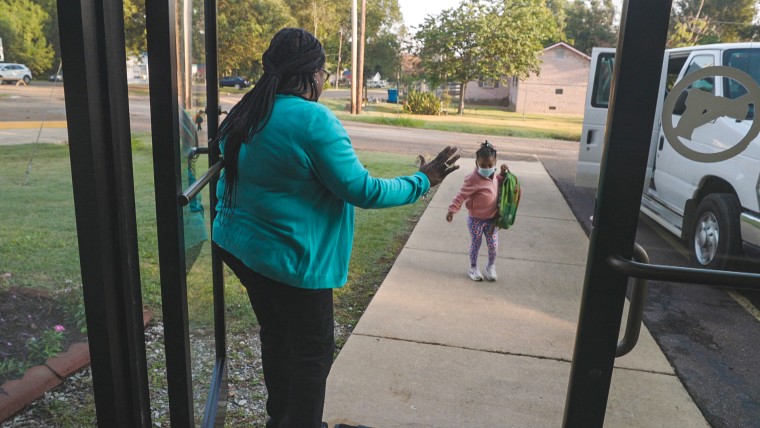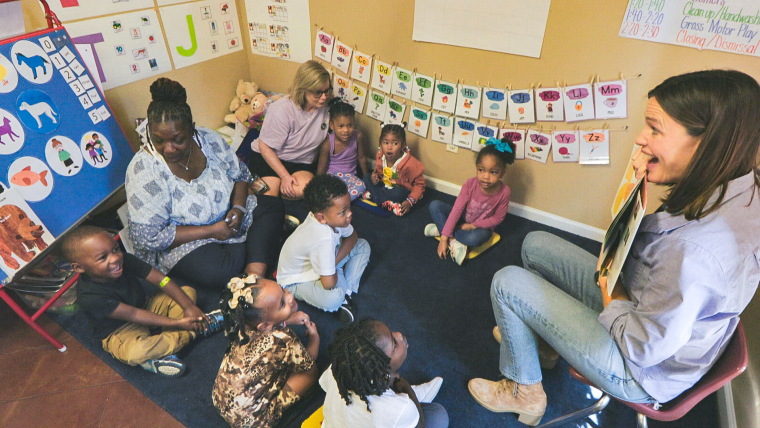
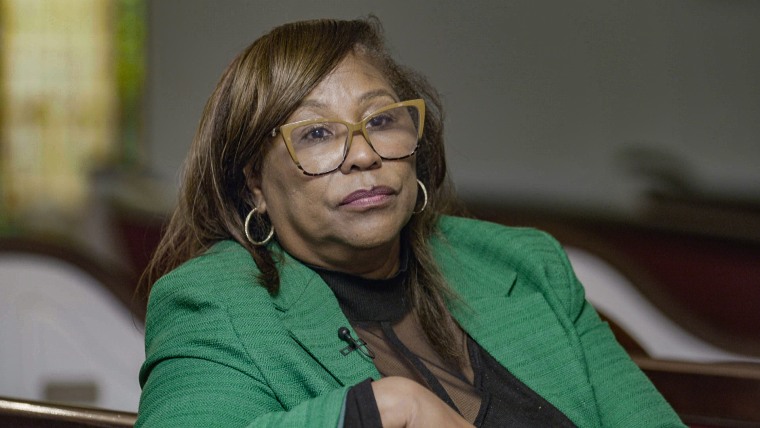
LAMBERT, Miss. — When Evelyn Jossell took over as the superintendent of schools in Quitman County, she had no illusions about the challenges ahead.
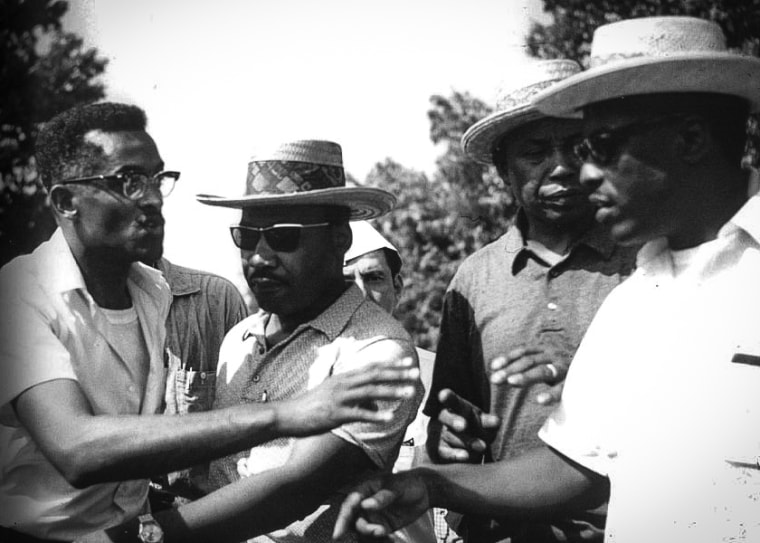
Poverty has long had a stranglehold on this rural, predominantly Black community in the Mississippi Delta. It was the poorest county in the poorest state when Martin Luther King Jr. visited in 1968 and described seeing “hundreds of Black boys and Black girls walking the streets with no shoes to wear.”
Today, 57% of children in Quitman County live below the poverty line (the national average is 16%). And with the area’s textile factories and cotton processing plants now shuttered, few jobs exist in a place that went years without a single grocery store.
As superintendent, Jossell quickly identified her most pressing problem. The majority of students couldn’t read at grade level. So in 2016 she began sketching out what was then a pie-in-the-sky idea: a literacy program geared toward Quitman County’s youngest children.
“I wanted something to meet them when they were really young because I felt that’s where the gap was,” Jossell said.
Seven years later, her vision has become a reality.
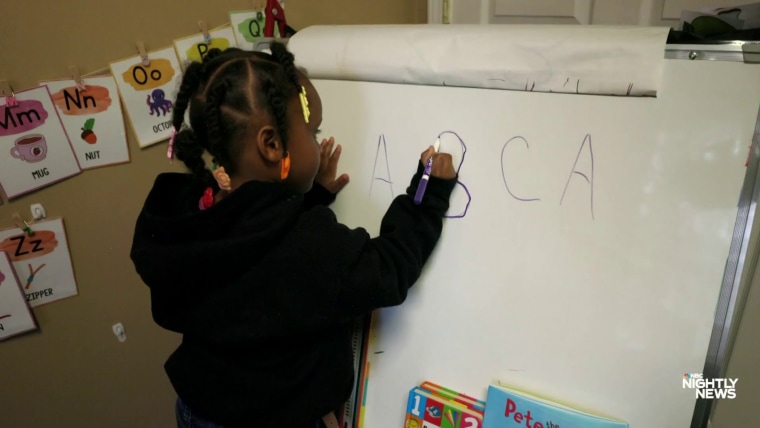
Jossell’s Early Learning Academy opened its doors in April in the 1,200-person town of Lambert. The program focuses on building early reading skills in its 3- and 4-year-olds as well as providing their parents with the tools to help the children succeed. The goal is to have the kids ready for kindergarten and launched on a path toward reading.
“We’re trying to show that when you intervene early enough, you’re equipping young people to become better readers and ultimately better leaders,” said Jossell, a former social worker who was born and raised in the Mississippi Delta.
The state has made major strides in improving child literacy. In 2013, Mississippi fourth graders ranked 49th in the nation for reading proficiency. By 2022, the state had risen to 21st and other states were seeking to duplicate what some had called the “Mississippi miracle.”
Experts say there are many factors in the state’s improved performance. Mississippi abandoned the “sight” method — learning words by reference to pictures and context — and moved to the teaching of phonics. The state also placed a greater emphasis on hiring better principals who were able to recruit better teachers.
Still, only 29% of students from the Quitman County School District are proficient in reading, according to 2022-2023 data from the Mississippi Department of Education, and that's where Jossell’s academy comes in.
Angela Sykes Rutherford, a professor at the University of Mississippi and the director of its Center for Excellence in Literacy Instruction, said a program like Jossell’s benefits both the students and their parents, who might otherwise not have the freedom to work.
“We know how critically important it is for kiddos to be engaged in learning opportunities, especially language, from birth until they enter school,” Rutherford said.
“For centers like the one in Quitman County, it provides quality early care and education,” she added, “and it provides opportunities for families to participate in the workforce.”
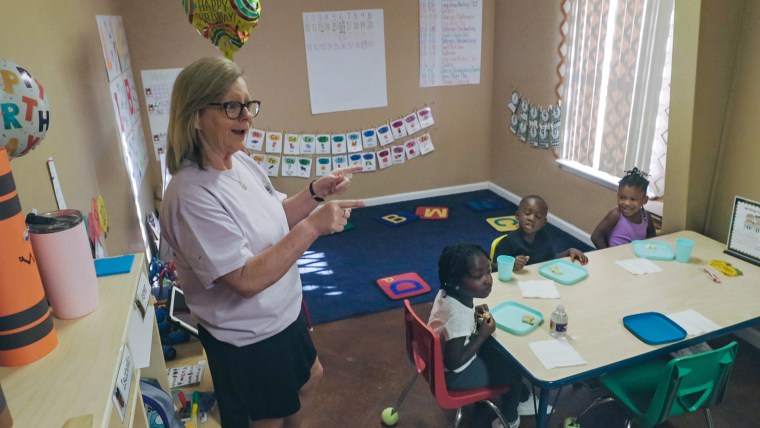
The school is funded not by the government but by Save the Children, a global nonprofit founded in 1919.
Yolanda Minor, Save the Children’s Mississippi state director, said she reviewed Jossell’s plan for the program in 2016 and had been trying to secure funding ever since.
“It’s amazing to actually see a dream come true,” Minor said. “I wanted something where not only were we reaching children, we were reaching parents as well.”
Multiple studies have shown that the more parents are involved in their child’s studies, the more likely the students are to be successful in school. The challenges are stark in Quitman County, where an estimated 48% of adults struggle to read at a basic level, according to the National Center for Education Statistics.