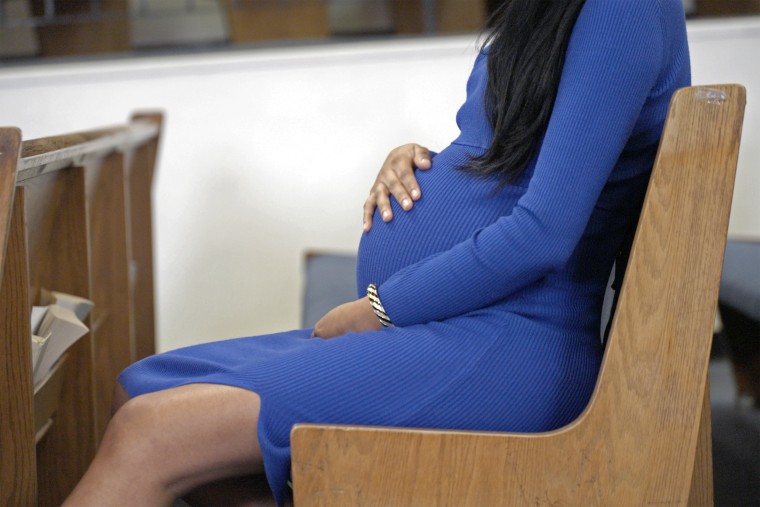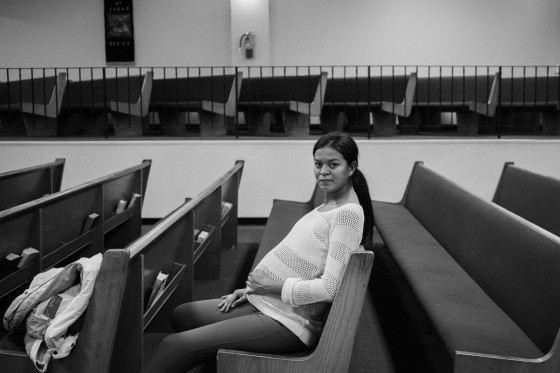
CHICAGO — On the week of her due date, Elibexis Alvarez, a Venezuelan migrant, was preparing to give birth to her first child far away from her parents and the home country she never thought she’d leave.
She and her husband, Johan Jose Medina, have spent the last four months living in temporary shelters in Chicago after fleeing escalating violence in Venezuela. They are part of the tens of thousands of migrants and asylum-seekers who have been bused north after being processed at the southern border over the last two years.
“I never dreamed of being here,” Alvarez, 28, said as she sat in a Chicago church earlier this year, her hands resting gently on her stomach. “But I feel that my son will be safe here.”
Making Chicago home has not been easy, as they’ve struggled to find work and permanent housing.
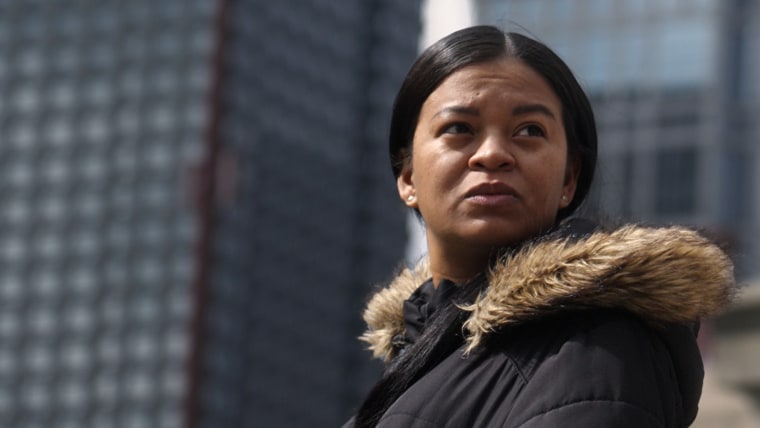
Last month, the couple awaited the birth of their baby in a room at a temporary hotel shelter for migrants that they share with Alvarez’s sister-in-law and young nephew who also made the journey north.In a corner, Alvarez had set up the baby’s things, including several packets of donated diapers and baby shoes. She and her husband share a bunk bed and use the top bunk for storage. The small room has another bunk bed for their relatives, and suitcases containing everyone’s belongings fill the space.
“We feel comfortable there because we are together and we are not like in the previous shelter where we were in cots, where we were in a room with 20 other people,” she said.
But they long for stability and normalcy that they believe will come only after Medina is able to find work.
“I pray that my husband gets a work permit so that we can get out of the shelter, look for an apartment to move into,” Alvarez said. “I would like my son to have everything like we have dreamed of.”
Alvarez said she and Medina fled Venezuela because he was targeted and had been beaten up multiple times for his activism as part of an opposition party that has challenged Venezuelan President Nicolás Maduro. Maduro has served as president for more than a decade in a country reeling from economic and political strife, corruption and allegations of fraudulent elections.
“They came to my house and they shot at my house,” Alvarez said, wringing her fingers. “That’s when I told my husband, we can’t be here anymore or they’re going to kill you. They’re going to kill you and I’m pregnant.”
They left the next day on a monthslong, dangerous journey where, she said, they were stopped by criminals and shot at. Alvarez nearly drowned, she said, after jumping into a river to escape an armed assault.
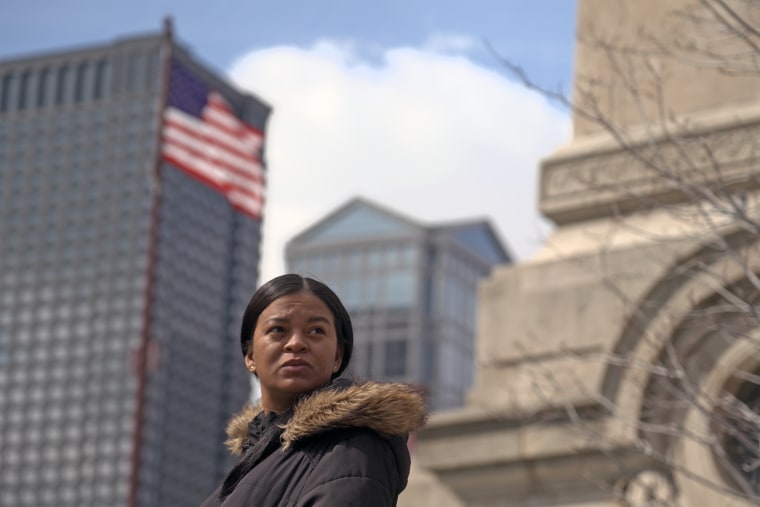
NBC News could not independently verify the details of her story.The couple turned themselves in to immigration enforcement in December while Alvarez was six months pregnant.
She and her husband were quickly separated as Medina was held in detention and Alvarez bused to a shelter in Chicago.
“I cried and screamed,” Alvarez said, fearing that her husband would be deported while she remained in the U.S. alone.
The couple, who have been married for five years, were reunited in January.
More than 41,000 migrants have arrived in Chicago since 2022, when Texas Gov. Greg Abbott began busing thousands of migrants to Democratic-led cities. There were 7,969 migrants living in Chicago’s city and state-run shelters as of May 6, according to the most recent data available on the city’s website.
Chicago, along with New York and Denver, have struggled to provide enough resources and housing to keep up with the influx of migrants and have instituted measures to conserve their budgets, including shelter evictions.
In March, Chicago began enforcing 60-day shelter limits for some migrants as part of its attempt to have migrants transition from shelters into housing. Pregnant migrants and families with children are currently exempt from the policy, which allows migrants to reapply for shelter after their 60 days are over.