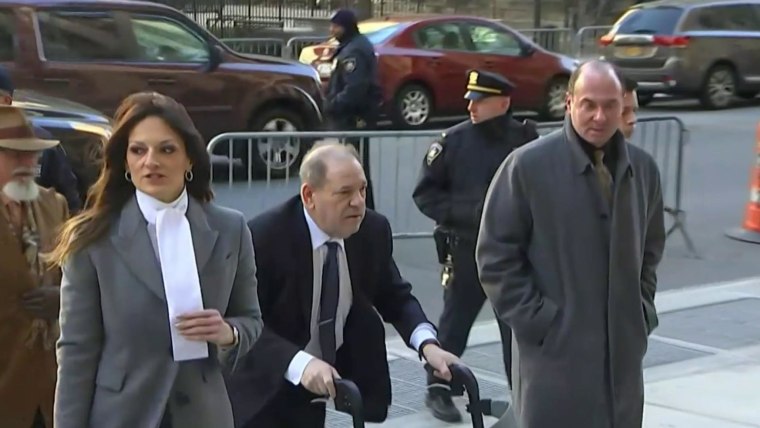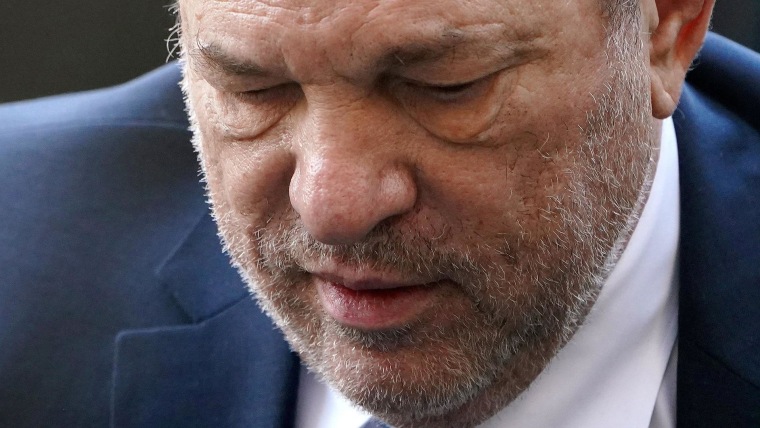
Harvey Weinstein, who was convicted of rape in a landmark #MeToo trial, remained defiant as he was sentenced to 23 years in prison Wednesday, even as a group representing his accusers said "no amount of jail time will repair the lives he ruined, the careers he destroyed."
The sentencing was a seminal moment for the #MeToo movement, which sparked a worldwide reckoning on sexual assault and harassment more than two years ago. Weinstein, a once-celebrated Hollywood mogul, said ahead of his sentencing that he was worried about the movement's implication for men and due process.
A jury convicted Weinstein last month of third-degree rape of Jessica Mann, a former aspiring actress, and a count of criminal sexual act in the first degree against Mimi Haley, a former "Project Runway" production assistant.
Weinstein was sentenced to 20 years for criminal sexual act in the first degree and three years for rape in the third degree to be served consecutively for assaulting the two women in New York. He was also sentenced to 10 years of post-release supervision for both charges.
The former producer could have got as little as five years, but the judge's decision was much closer to the maximum 29 years he faced. The judge also said Weinstein must register as a sex offender.
Arriving in a wheelchair, Weinstein spoke ahead of his sentencing and addressed his role in the #MeToo movement, saying he believed "thousands of men are losing due process" and he was worried about the country.
He said he had "no great power" in the industry and couldn't "blackball anyone." He said he believed he had legitimate relationships with his accusers.
He added that he had not seen his children since the first article was published about the allegations against him, which he described as "hell on earth."
Several of his alleged victims sitting in the front row of the court cried as the judge read the verdict. Weinstein was led out of court immediately after in his wheelchair.
Ahead of the sentencing, Haley said that Weinstein's assault scarred her deeply, mentally and emotionally, and "crushed a part of her spirit." She said if he were not convicted, she believed he would victimize women "again and again and again."
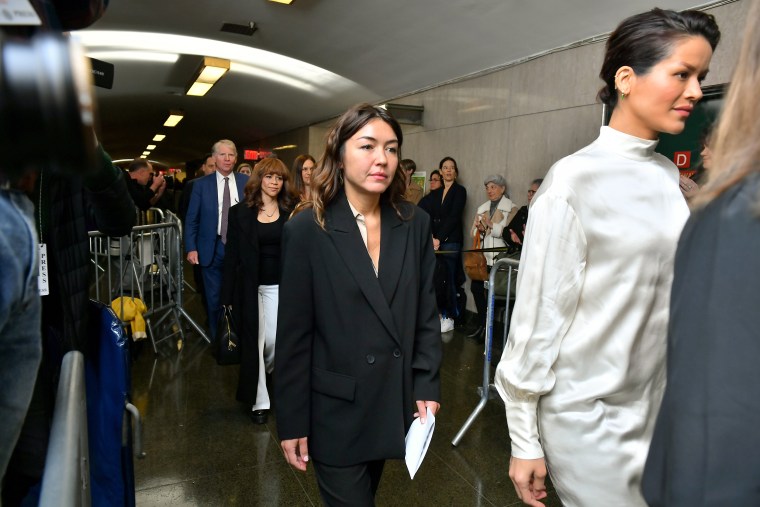
Haley said she hoped the sentencing was long enough for Weinstein to acknowledge "what he's done and to be truly sorry."
Mann said Weinstein "used his power over the powerless" and her experience was "a recurring nightmare." She asked for him to receive the maximum sentence, calling it accountability for Weinstein.
"I'm not here to give any more power over to the man who stole my body," she said.
Lead prosecutor Joan Illuzzi-Orbon also asked for a maximum or a near-maximum sentence Wednesday, saying Weinstein "would never have been stopped from hurting more lives."
"He has been using and abusing people his whole life," she said.
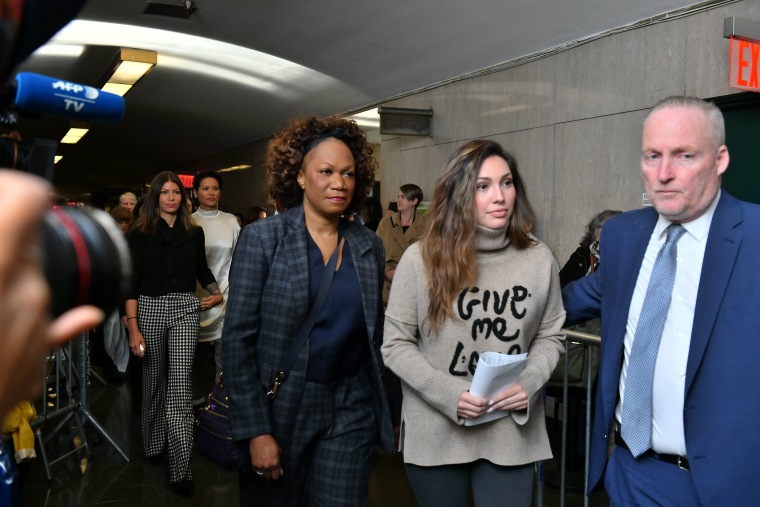
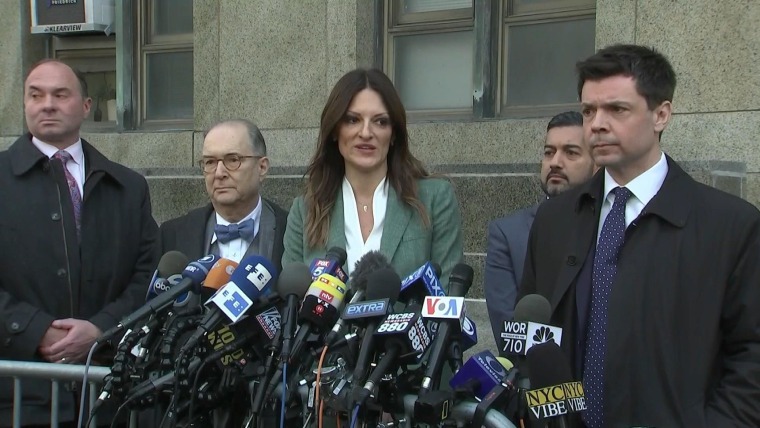
Donna Rotunno, an attorney for Weinstein, said the sentencing in the case was "obscene" and "obnoxious" and "did not speak to the evidence that came out at trial." She said the sentencing was "cowardly" and she was "overcome with anger" at the decision.
Silence Breakers, a group that represents prominent Weinstein accusers, said after the sentencing that Weinstein's legacy "will always be that he's a convicted rapist."
"He is going to jail — but no amount of jail time will repair the lives he ruined, the careers he destroyed, or the damage he has caused," the group said.