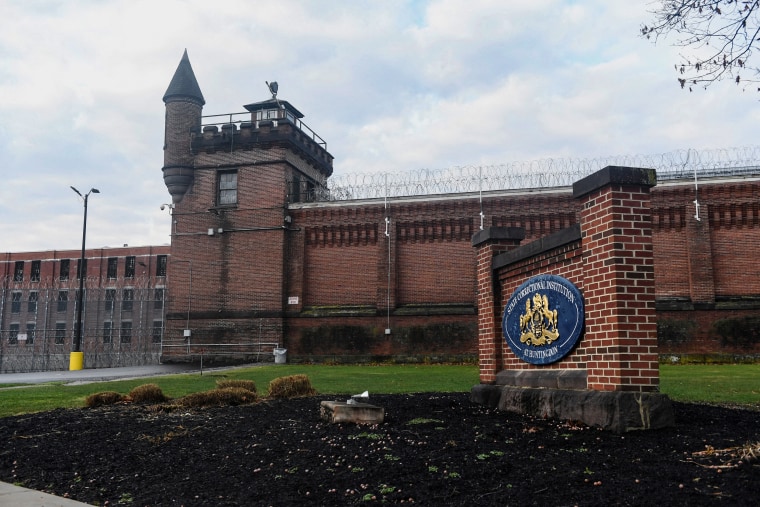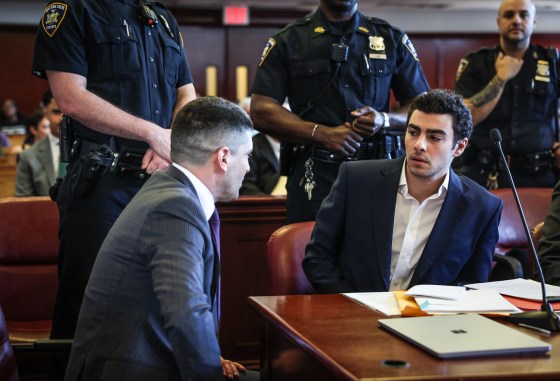
Luigi Mangione is not yet on trial in the killing of UnitedHealthcare CEO Brian Thompson. But for the last three weeks, a courtroom in downtown Manhattan has been the scene of a pivotal hearing with some of the hallmarks of an actual trial: dramatic testimony, tense cross-examinations and dueling narratives from lawyers on both sides.
The hearing revolved around what evidence will be shown to jurors when Mangione’s state murder trial gets underway. Mangione’s lawyers sought to put tighter limits on what the jury will see. They also raised questions about whether the police officers who arrested him at a McDonald’s last year followed proper procedure when they spoke to him and searched his bag.
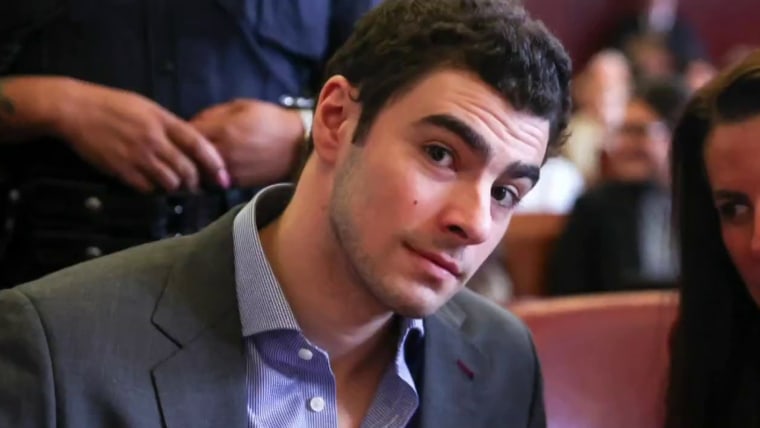
Mangione has pleaded not guilty to nine state counts, including second-degree murder and various weapons charges. (He faces four federal charges in a separate case.) The 27-year-old appeared largely expressionless as nearly 20 witnesses took the stand over the three weeks, though he smiled for courtroom photographers and occasionally turned to face the gallery.
The hearing concluded Thursday, and Judge Gregory Carro asked both sides to submit their summations. He is expected to make a decision on the scope of the evidence on May 18.
Here’s what you need to know about key moments from the hearing, which Mangione’s lawyer described as a “mini-trial.”
McDonald’s confrontation
Inside the courtroom, prosecutors reconstructed the events leading up to Mangione’s arrest at a McDonald’s restaurant in Altoona, Pennsylvania, on Dec. 9, 2024 — five days after Thompson was fatally shot outside a hotel in Manhattan. The prosecutors played body camera video, as well as audio of 911 calls.
In one call, the unidentified manager of the McDonald’s told a police dispatcher that Mangione “looks like the CEO shooter from New York.” The manager relayed that Mangione was clad in a black jacket with a blue medical mask and a tan beanie.
Altoona Police Officer Joseph Detwiler, the first officer to arrive at the scene, testified that he received a sarcastic text from his lieutenant. “If you get the NYC shooter,” the lieutenant wrote, “I will buy you a hoagie.”
Detwiler testified that he approached Mangione and tried to “keep things normal and calm.” In bodycam video, Detwiler can be heard whistling the Christmas tune “Jingle Bell Rock” while Mangione, seated in a corner, eats hash browns.
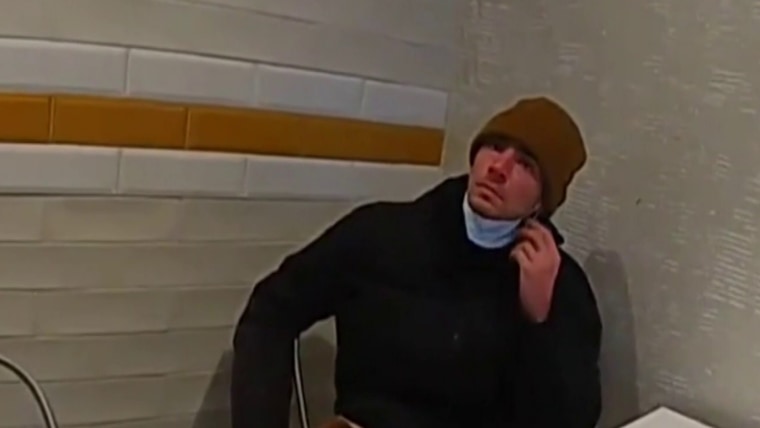
Detwiler testified that Mangione originally gave police a fake New Jersey identification card with the name “Mark Rosario.” When a patrolman warned Mangione that he was being investigated and faced arrest if he gave a false name, Mangione came clean and confirmed his real identity.
Mangione also claimed he was carrying only $100 — when he actually had at least $7,750 on him at the time of his arrest.
The bodycam video shows the same patrolman reading Miranda warnings to Mangione. The officer asks, “Do you understand?” Mangione can be heard saying yes.
Miranda warnings are required before an in-custody interrogation. At the hearing, Mangione’s legal team argued that he was effectively in custody when officers formed a “human wall” around him at the McDonald’s, making Miranda warnings necessary at that moment.
The backpack
Mangione’s lawyers want items recovered from his backpack excluded as evidence, including a loaded handgun, a silencer, a magazine with bullets wrapped in underwear, a cellphone, a passport, a Maryland identification card, various bank cards, and a red notebook that one officer described as a “manifesto.”
Investigators say they also found a to-do list with scribbled notes like “buy black sneakers (white stripe too distinctive)”; “change hat, shoes, and pluck eyebrows”; “keep momentum, FBI slower”; and “check reports for current situation.”
The lawyers on both sides went back and forth over the admissibility of all this evidence. Mangione’s lawyers argued that anything pulled from his backpack should be left out of the trial because, they claim, police officers did not have a search warrant.
Prosecutors insisted the search was legal because it was carried out in tandem with an arrest; Altoona police officers who testified cited the legal term “search incident to arrest.”
Officers said they needed to check whether there were any dangerous items in the backpack that could endanger the public. Eventually, prosecutors said, police obtained a formal search warrant.