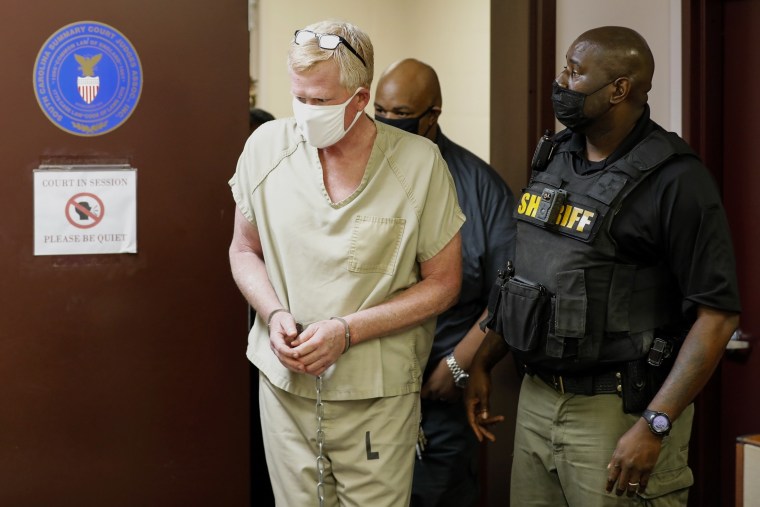
WALTERBORO, S.C. — Hotel rooms have been booked for weeks in this small South Carolina city, about 50 miles west of Charleston, where some residents have advertised their homes on Airbnb for hundreds of dollars a night.
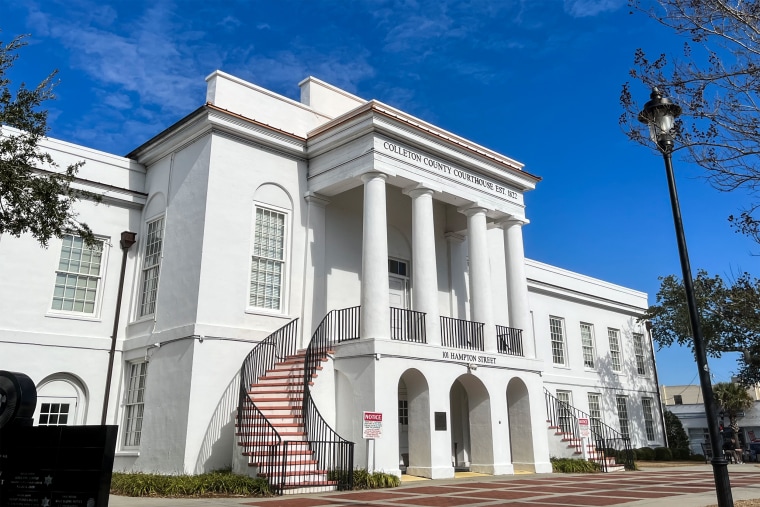
In a parking lot across from the Colleton County Courthouse, food trucks will be catering to an anticipated throng of legal teams, law enforcement, news outlets and members of the public, from true crime enthusiasts to curious gawkers, all converging for what one local newspaper has headlined “the trial of the century.”
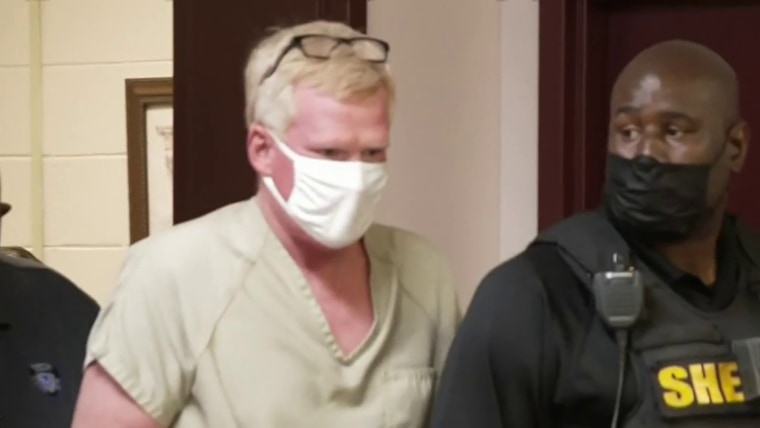
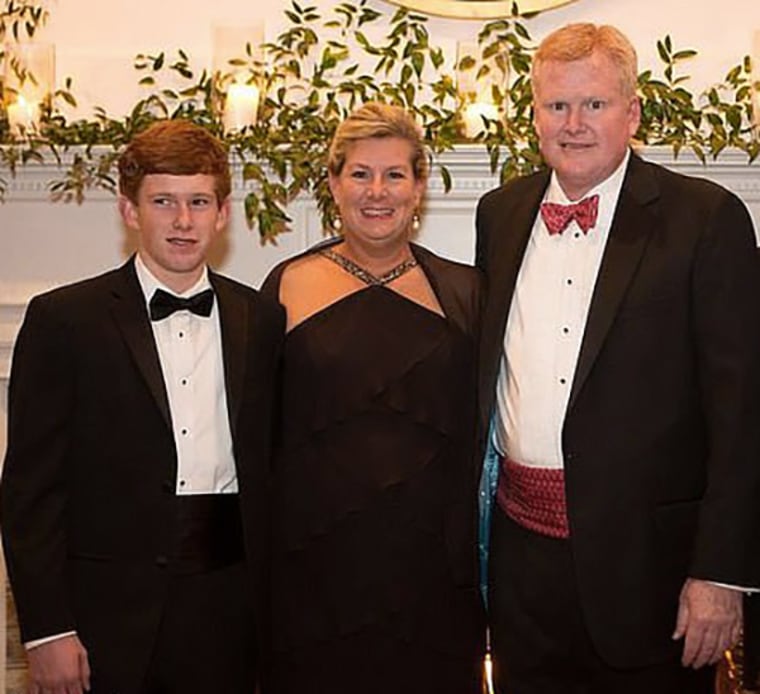
That trial — of Alex Murdaugh, the scion of a well-connected legal family who stands accused of murdering his wife, Margaret, and their son, Paul, with a shotgun and rifle — is slated to begin Monday with jury selection. The frenzy of the trial could potentially last a few weeks, and Court TV is promoting “gavel-to-gavel coverage.”
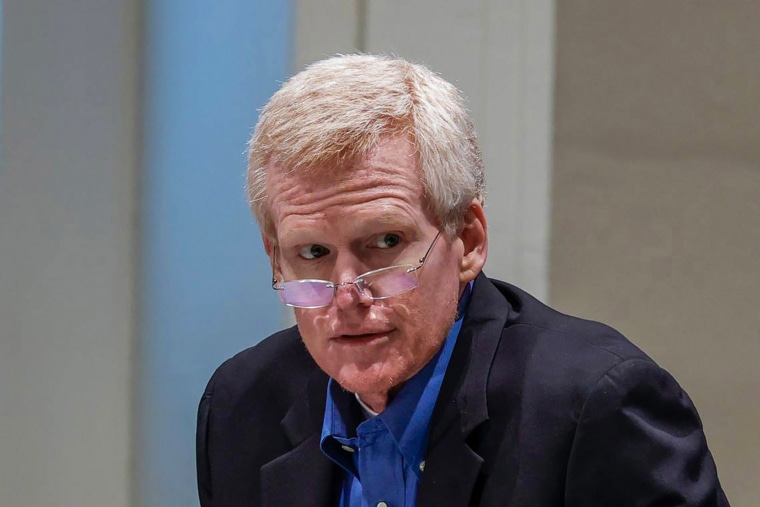
Since the evening of June 7, 2021, when Murdaugh frantically called 911 to say he had found his wife and son fatally shot near the dog kennels at their Colleton County estate, the saga spawned attention as an unsolved double homicide, but it soon unraveled into wider allegations of financial fraud, a hired hit man plot and drug addiction, and revived scrutiny into other curious deaths linked to the prominent family.
Few trials in recent memory have riveted this region of South Carolina, known as the Lowcountry, where for nearly a century, fathers of three generations of Murdaughs wielded power as top prosecutors for a cluster of counties. But the perceived spectacle means that not only will Murdaugh be on display — so will the county seat of Walterboro, population 5,460.
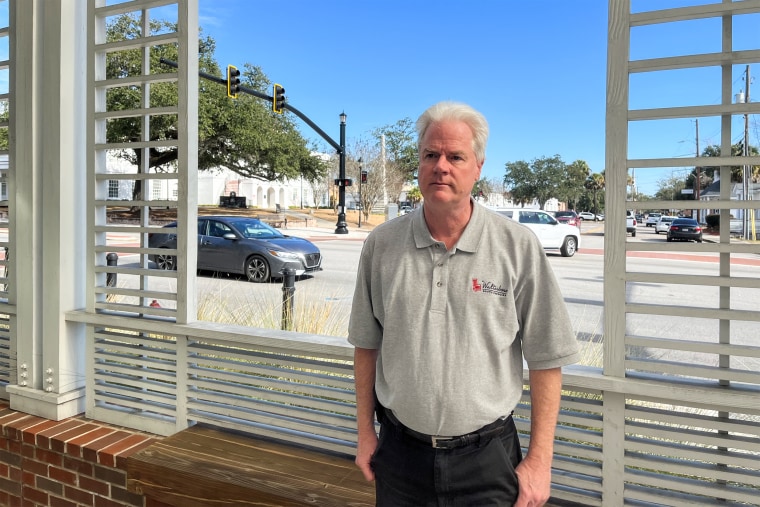
“We didn’t want this, but it’s happening, and it’s here,” Scott Grooms, Walterboro’s director of tourism and downtown development, said last week. “We have to put on our best face and take care of our guests.”
The logistics of pulling off a major trial is not lost on Grooms, a former television journalist who covered the 1995 trial of Susan Smith, the white South Carolina mother who had falsely told police a Black man had kidnapped her two infant sons in a carjacking before confessing she had drowned them in a lake.
The Smith trial, imbued with racial overtones, was held in the tiny city of Union and brought a wave of international interest and outsiders clamoring to visit the lake. Simply finding a place to eat was a chore, Grooms recalled.
But, he said, he didn’t want Walterboro to be caught flat-footed, and after Christmas, he posted on Facebook that the town was soliciting food trucks to set up near the courthouse.
Almost immediately, comments were divided:
“Clowns and concessions, now all you need is a trapeze troop to complete the three ring circus.”
“This is so disrespectful.”
“It is better that our community is perceived as prepared rather than not.”
The cost of the trial was not immediately available, but in a city where the annual budget is about $7 million, there are necessary expenses, such as police overtime, portable restrooms, signage and fencing that have to be taken into account.
“We’re ready to roll with it — we have to be,” Grooms said. Later, on his way to a meeting, he glanced at the latest news on a cellphone, his eyes widening: Netflix had just dropped a trailer for a docuseries about the case, titled “Murdaugh Murders: A Southern Scandal.”
A winding case
The Murdaugh name runs so deep in the Lowcountry that the Colleton County Courthouse had to remove a portrait of Randolph “Buster” Murdaugh Jr., Alex Murdaugh’s late grandfather and a top prosecutor for 46 years, from a back wall of the courtroom during the trial. (Alex's father, Randolph Murdaugh III, had been seriously ill and died at age 81, three days after Maggie, 52, and Paul, 22, were killed, adding to the intrigue.)
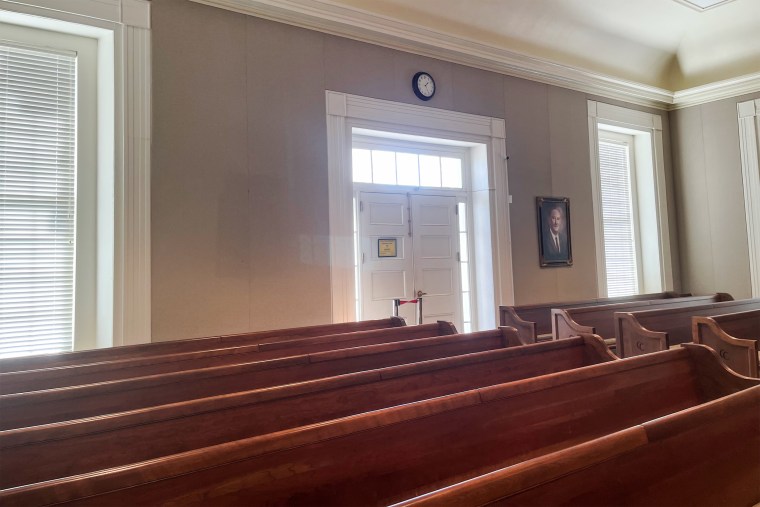
While Alex Murdaugh, 54, was from neighboring Hampton County, he had also been a fixture at the Colleton County Courthouse for years, having represented clients as a personal injury attorney in the Lowcountry before he was disbarred last summer.
About 900 jury summons notices went out in a county of about 38,600 people. With so much at stake, local officials want the process to run smoothly, so as not to trigger a mistrial.
Legal experts say jury selection in South Carolina is typically not drawn out, but this is not an ordinary trial, and Murdaugh’s defense team and the prosecution — led by chief prosecutor Creighton Waters of the state Office of the Attorney General — will be especially strategic in seating jurors. If found guilty, Murdaugh could face life in prison without parole.