This article was published in partnership with ProPublica, a nonprofit newsroom that investigates abuses of power, and The Marshall Project, a nonprofit news organization covering the U.S. criminal justice system. Sign up to receive ProPublica’s biggest stories as soon as they’re published. Sign up for The Marshall Project’s newsletters, and follow them on Twitter, Instagram and Facebook.
Lawmakers in Louisiana passed new restrictions on the use of solitary confinement in juvenile facilities following an investigation by NBC News, ProPublica and The Marshall Project into harsh conditions in a youth lockup.
The law, which will go into effect Aug. 1, marks the first time that lawmakers in a state known as the world’s incarceration capital have put limits on solitary confinement for youth, advocates say.
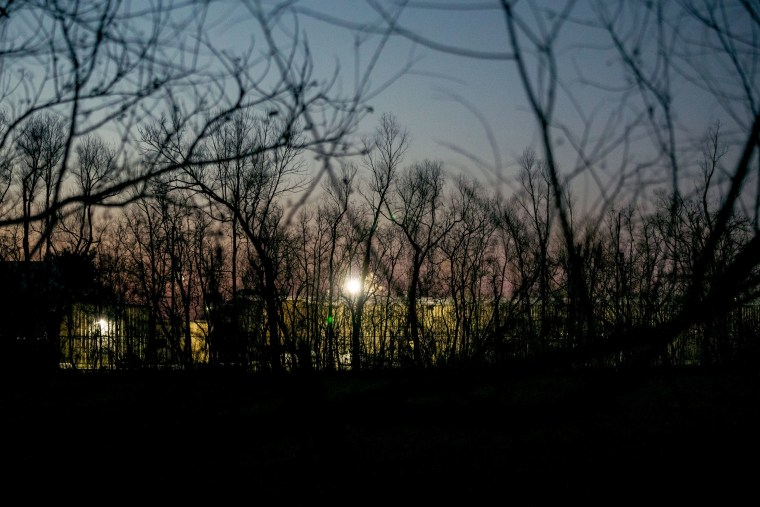
The news organizations’ investigation found that in one of the state’s facilities, the Acadiana Center for Youth at St. Martinville, boys as young as 14 were held in solitary confinement virtually around the clock for weeks. The boys were forced to sleep on the floor in the dark and were shackled when they left their cells to shower. In this facility, which opened last summer, the teens received no education for months, in violation of state and federal law.

The conditions were so severe, one expert said, they amounted to “child abuse.”
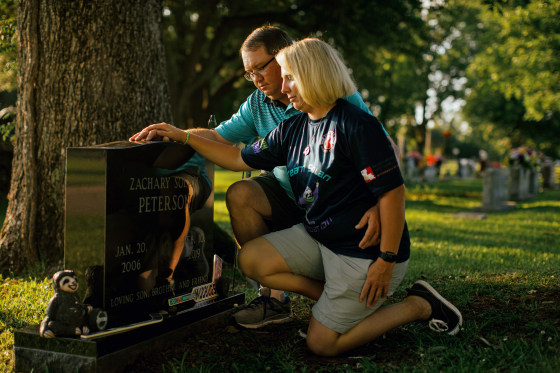
The St. Martinville facility opened despite an ongoing debate about the dangers of solitary confinement in Louisiana’s juvenile facilities, a controversy that began in 2019 after two teens died by suicide in solitary confinement in a different facility within 72 hours.
Rep. Royce Duplessis, a New Orleans Democrat and the bill’s sponsor, said he didn’t think the legislation would have been successful without reporting from NBC News, The Marshall Project and ProPublica, which brought crucial attention to the conditions in juvenile facilities.
“It showed the public, it showed legislators that some things were happening that nobody should be proud of,” Duplessis said. “It showed we need to make some changes.”
Advocates say the new law, signed by Democratic Gov. John Bel Edwards on June 16, will improve conditions at facilities like St. Martinville.
“I’m not expecting this to be a panacea, but the law makes a clear statement about what’s expected of them, and that is something that hasn’t been there before,” said Rachel Gassert, policy director at the Louisiana Center for Children’s Rights. “And unlike agency policy, it cannot be changed behind closed doors by political appointees.”
The new law places strict constraints on how the state juvenile justice agency can use solitary confinement, limiting young people to no more than eight hours in isolation unless they continue to pose a physical threat to themselves or others. The agency is also required to, within the first hours of placing children in solitary confinement, check on their mental health and to notify their parents or guardians. The law additionally compels the agency to better track and report the use of isolation in its facilities.
With the new law, Louisiana joins about one-third of states that have laws restricting the use of solitary confinement for youth. Many of the remaining states lack any policies limiting solitary confinement at all.
When Duplessis introduced the solitary confinement bill in March, he wasn’t confident it would win enough support to pass.
“This is Louisiana,” he said. “We have a history, a long history of being punitive, and our history with respect to juvenile justice has not been a good one.”
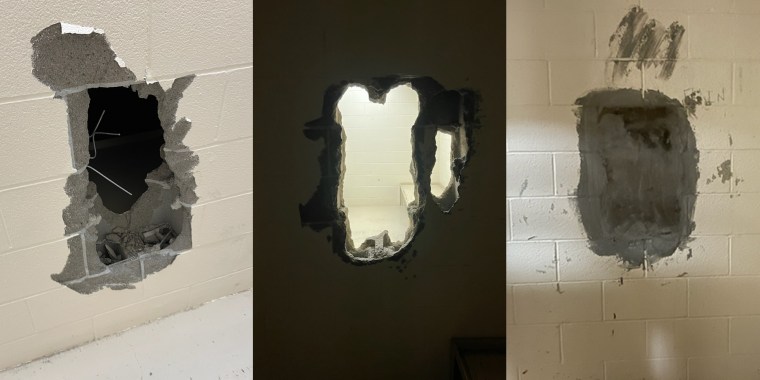
When the bill came before a House committee in April, several Republican lawmakers initially expressed skepticism, raising concerns that the bill would tie the hands of juvenile justice authorities who have been dealing with escapes and violence at their facilities.
But after a hearing in which young people shared stories about the trauma they experienced in solitary confinement, the committee unanimously voted to advance the bill. It later passed both legislative houses by large margins after Bill Sommers, who leads the state’s juvenile justice agency, threw his support behind the measure.
The House hearing took place just days after a legislative auditor released a report that found that the state’s juvenile justice agency often violated its own rules on isolation, which allowed the state to hold youth in solitary confinement for up to seven days. In 2019 and 2020, about 40 percent of solitary confinements exceeded the maximum duration allowed under agency policies. The audit found that, on average, confinements lasted about six days, more than 14 times as long as the national average as of October 2020.
The bill initially would have limited time in solitary to no more than four hours, but after legislative negotiations, it was amended to allow isolation for up to eight hours at a time and up to three stints in a row, for a maximum of 24 hours. During that time, a mental health professional must try to help the person in solitary calm down at least every hour and staff must check on them every 10 minutes. The law also requires that the state provide youth in solitary confinement with reading materials, access to sunlight and an opportunity to contact their parents or guardians and their attorneys.