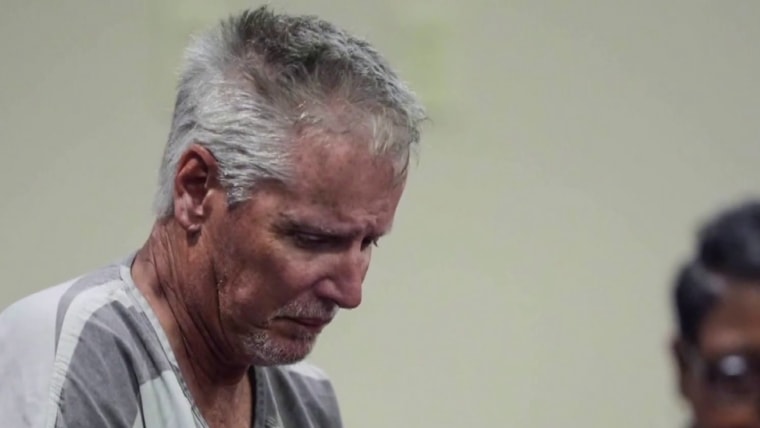
The trial of a Georgia man accused of giving his 14-year-old son access to a firearm began on Monday, with prosecutors arguing his actions provided the means for the 2024 shooting at Apalachee High School and defense attorneys contending that there was no way he could have known his son would cause harm.
Colin Gray faces two counts of second-degree murder, two counts of involuntary manslaughter, 20 counts of cruelty to children, and five counts of reckless conduct in connection with the Sept. 4, 2024, shooting at Apalachee High School. He was arrested shortly after the shooting on allegations that he had allowed his son to possess a weapon.
His son, Colt Gray, is accused of killing two students, two teachers and wounding nine others at the school in Winder, Georgia. Colt Gray has been charged as an adult with four counts of felony murder. A trial date has not been set for him yet.
Judge Nicholas Primm presided over the trial in Barrow County Monday. Colin Gray faces a maximum total of 180 years in prison if found guilty on all charges against him.
A timeline of events
Prosecutor Brad Smith began with a timeline of the 2024 shooting, which included a teenager coming to school that day with a rifle in his bag, and his mother calling a school counselor to express concern over some text messages he had sent her prior to the start of the shooting. Prosecutors did not share the content of the text messages.
The teen's mother told the school counselor that he had access to firearms, which sparked major concern and prompted school resource officers to search for him, he said.
The teen, who Smith later said is Colt Gray, hid in a bathroom stall after asking his teacher to go to the counselor's office. He exited over 20 minutes later in yellow work clothes, armed with the rifle, and then opened fire, the prosecutor said.
The 14-year-old went on to allegedly kill Mason Schermerhorn, 14; Christian Angulo, 14; Richard Aspinwall, 39; and Cristina Irimie, 53. He wounded nine others.
"This is not a case about holding parents accountable for what their children do, that’s not what this case is about," Smith said in court Monday. "This case is about this defendant and his actions. His actions in allowing a child that he has custody over access to a firearm and ammunition after being warned that that child was going to harm others."
Over a year before the shooting, local law enforcement had interviewed the father and son in connection with threats to carry out a school shooting, two law enforcement sources familiar with the investigation told NBC News. But authorities did not arrest the teenager because they could not tie him to an online account that had made the threats, according to investigative documents.
Colin Gray told authorities at the time that he was teaching his son about “firearms and safety” and how to hunt, but that if his son did make any threats, he “would be mad as hell and then all the guns will go away.”
At some point after the interaction with authorities, Colin Gray gifted his son an AR-15-style rifle, according to law enforcement sources.
Smith said despite the teenager exhibiting worrying behavior that made his parents think he should be institutionalized, they never got him help from a professional and a rifle that Colt Gray had in his room stayed there.
Defense attorney Brian Hobbs pushed back on the prosecution's statement, saying that Colin Gray did not ignore his child and attempted to seek mental health intervention for him through his school. Hobbs reiterated that Gray asked law enforcement if the threats they were investigating in 2023 came from his son, and was serious about taking away his access to guns if so, but he never received a definitive answer.
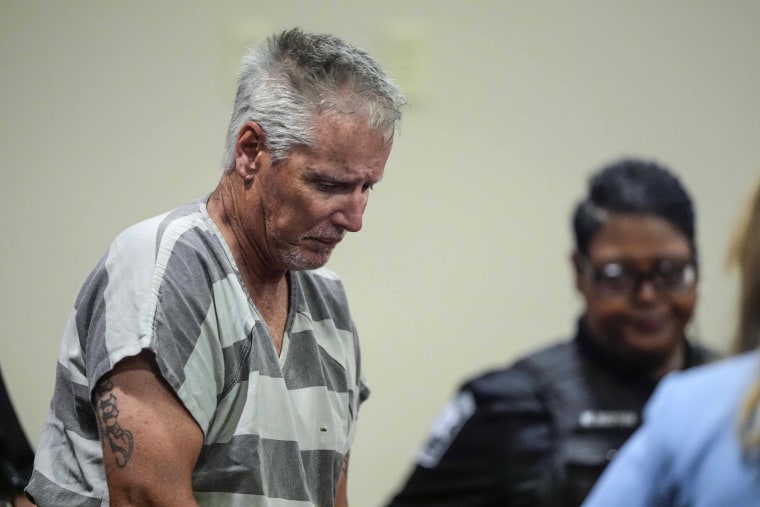
"The evidence will show a teenager who is struggling mentally. A teenager who is deceptive," Hobbs said. "A teenager who hid his true intentions from everyone — from his family, from his counselor, from his siblings, from DFCS [Georgia Division of Family & Children Services], from law enforcement and most especially from his father."
Hobbs argued that Colin Gray could not have known his son would harm others.
"The state will ask you to look at the outcome and then work backward to say, 'Because this happened, it must have been foreseeable,' but the law doesn’t allow hindsight to substitute for evidence," he said.
A shooting weapon hidden in plain sight
Suzanne Harris, a computer science teacher at Apalachee High School testified that she saw what she thought was a poster sticking out of Colt Gray's bag on the day of the shooting.

