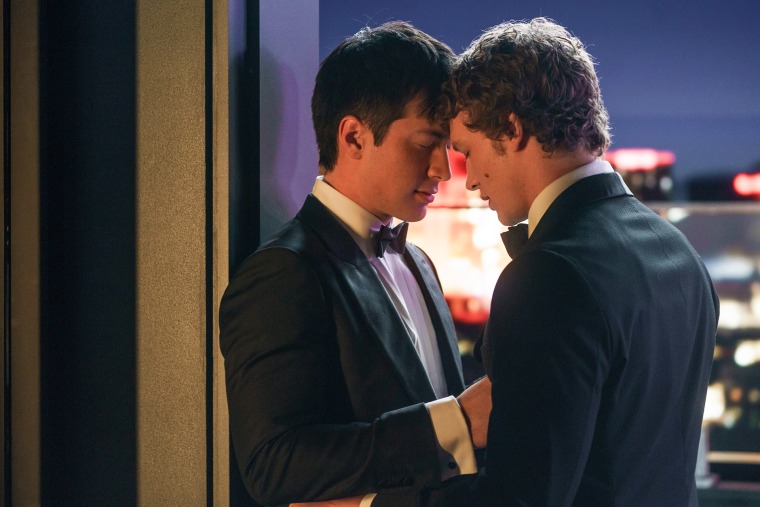
After bingeing “Heated Rivalry,” the wildly popular show about a steamy romance between two rival pro hockey players, Theo Tran, 18, wanted in on the action.
He bought his first pair of hockey skates on Tuesday and signed up for Chicago Pride Hockey, an LGBTQ league. He wasn’t chasing Olympic glory, or even an Olympic love life, necessarily. He also wasn’t alone.
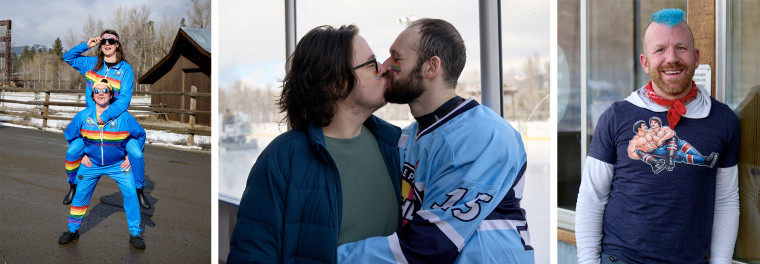
Chicago Pride Hockey received nearly 100 requests for more information since the show began airing, said board member Zack Dessent. Nearly 40 of those were from people who wanted to learn how to skate and play hockey. As a result, Chicago Pride Hockey created a new-to-hockey program to pair up new players like Tran with more experienced members.
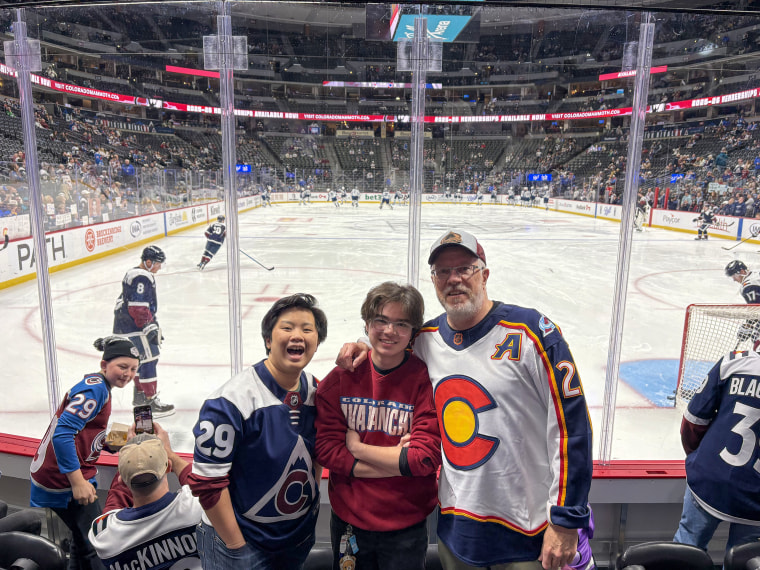
Tran, who is a student in social studies education at DePaul University, said he initially thought the show wasn’t for him, because the first episode was so focused on physical intimacy between the players. But his friends pressured him to watch it, in part because one of the main characters is Asian Canadian and Tran is Vietnamese.
“My friends now are like, ‘Can you imagine if I didn’t peer-pressure you into watching that? Because this is just your whole life now,’” Tran said with a laugh, adding that the show was “genetically engineered” for him.
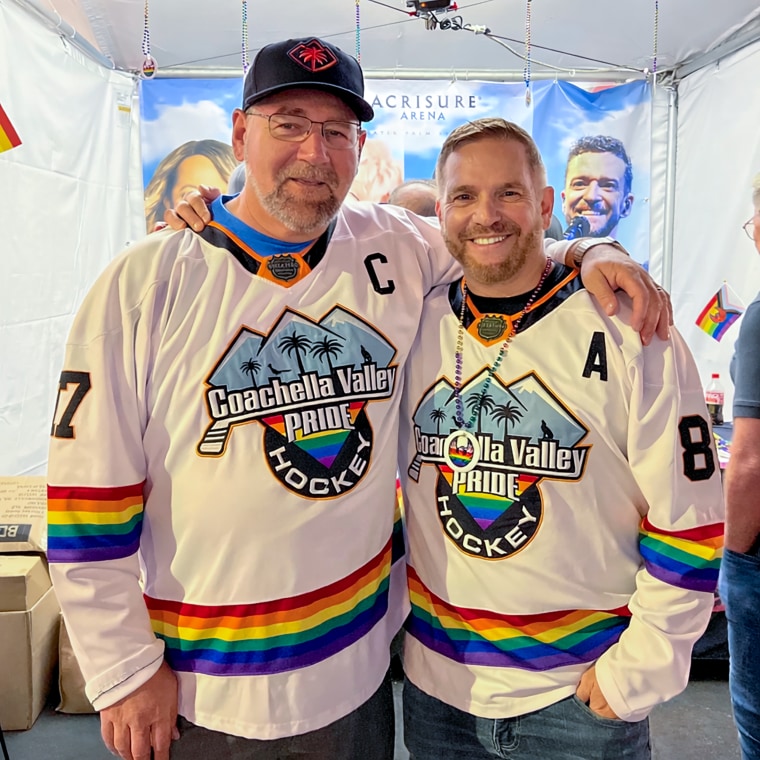
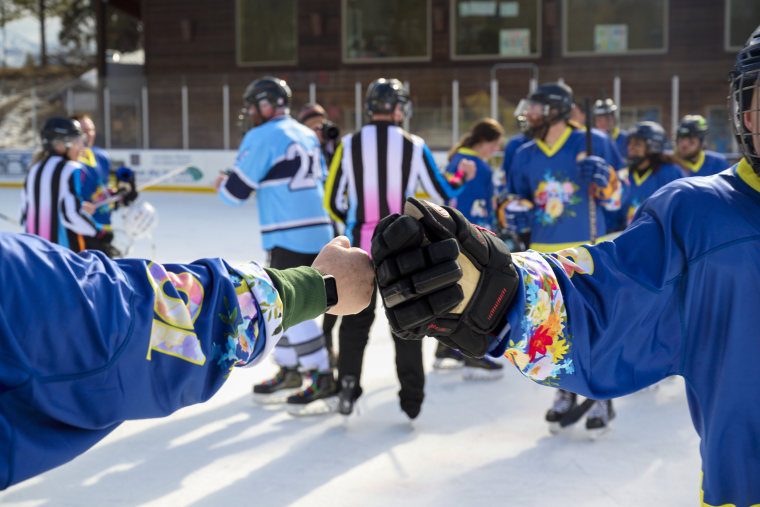
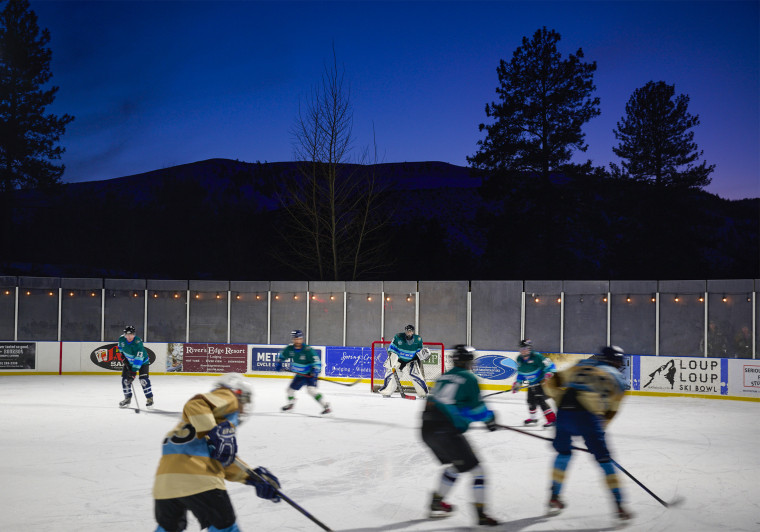
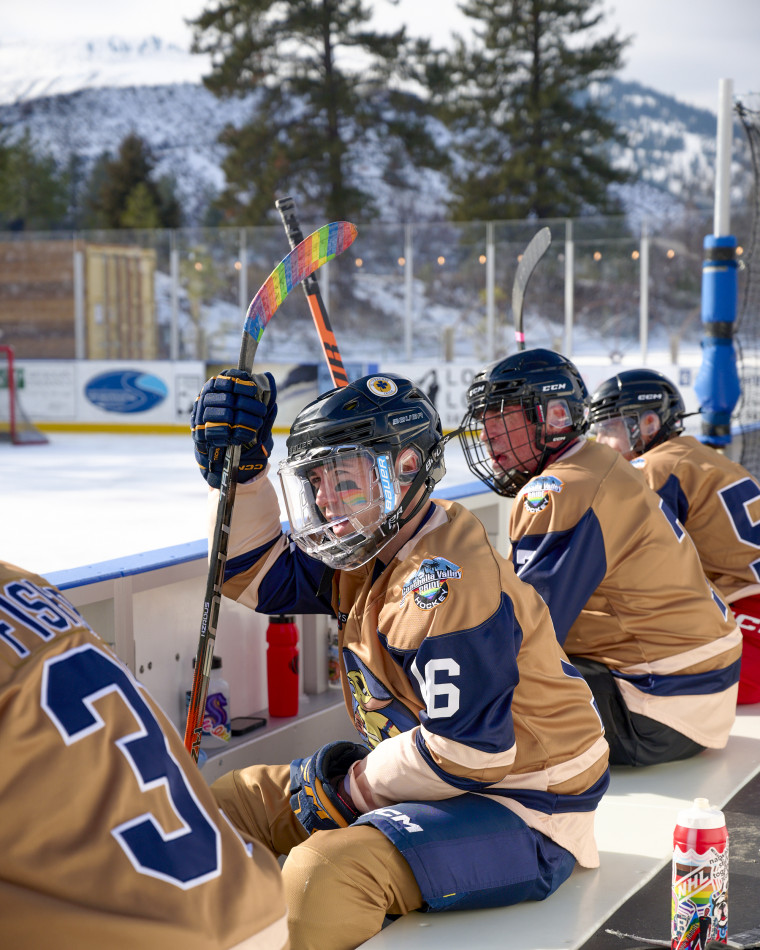
More than half a dozen of the country’s largest LGBTQ hockey leagues, from Seattle to Chicago to New York City, said they’ve seen interest from both fans and prospective players spike over the last three months.
The show came at a fraught cultural moment for the sport. Some National Hockey League teams have recently stopped hosting Pride nights. Those that still host them often get anti-LGBTQ comments and backlash to social media posts about the events, some fans say.
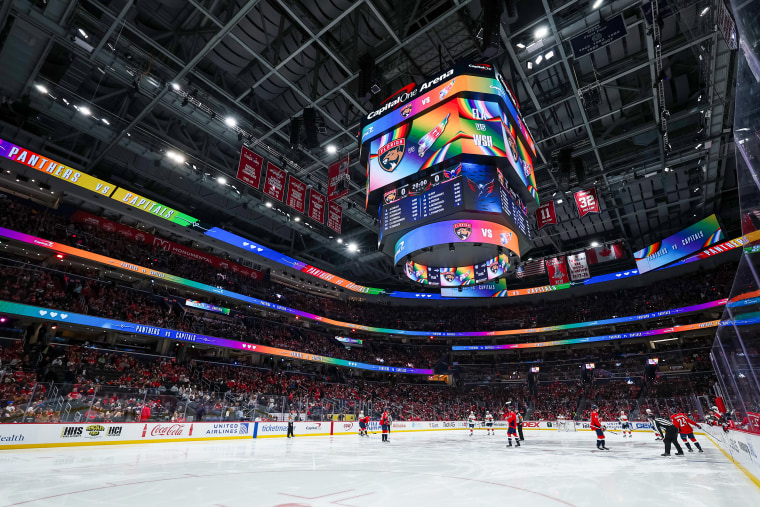
The NHL — which told The Hollywood Reporter the show “might be the most unique driver for creating new fans” in its 108-year history — has also never had an active player who is publicly out as LGBTQ. (The closest was Luke Prokop, who signed a deal with the Nashville Predators in 2020 but hasn’t played an NHL regular-season game.) And, just last month, amid the “Heated Rivalry” fanfare, USA Hockey, the sport’s national governing body, prohibited trans players from participating in sex-segregated teams that align with their gender identity.
Some of the players in the country’s largest queer leagues said they hope the show will help bring their decades-long fight to improve the sport they love into the public sphere.
“There’s always work to be done,” said Joey Gale, vice president and co-founder of the Seattle Pride Hockey Association, an LGBTQ league. “But because of all of this new momentum, it feels like we’ve gotten a new spark of energy.”
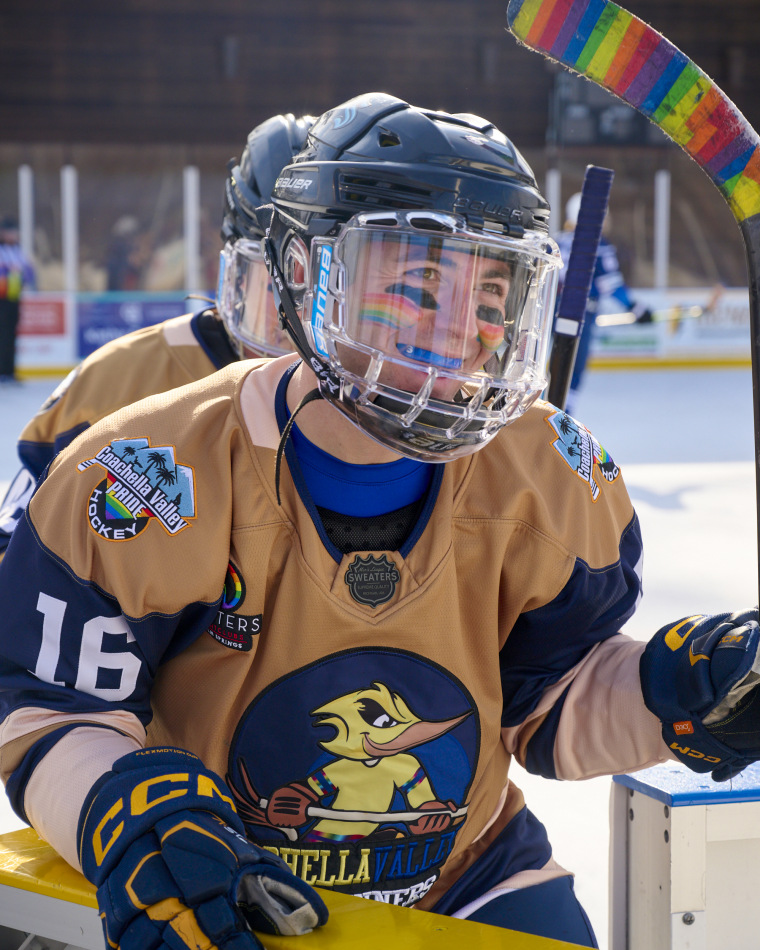
Bringing the story of closeted hockey players into the mainstream
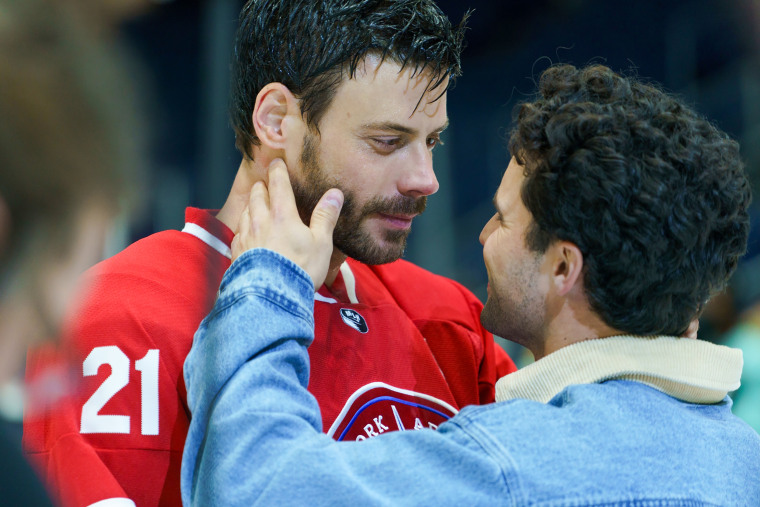
“Heated Rivalry,” though it is known for its sex scenes, also contains emotional storylines that queer hockey players say have been healing, such when character Scott Hunter, a professional player, comes out on the ice after winning the championship.
Gale said he started playing hockey at around age 3 while growing up in Minnesota, but he stopped at 13 due to the homophobic culture.
“I didn’t feel like it was a place that I should be, a place that really was welcoming to someone like me,” he said. Since he co-founded the Seattle Pride Hockey Association in 2019, the league has grown to more than 500 active players and hosts the largest pride hockey tournament in the world, he said.
Watching “Heated Rivalry,” he thought about what it would have meant to him as a teenager not just to see the show, but to see the way it is being celebrated — with the leads appearing on late-night shows and carrying the Olympic torch in the lead-up to the Winter Games.
“The hockey community is generally a smaller one to begin with, and then the queer hockey community is a very small subset within that,” said Gale. “We’re a proud and loud and mighty group that’s existed for a long time, but this show has really been able to bring us into the mainstream.”