The U.S. Agency for International Development is at the center of a political firestorm after the Trump administration indicated it will shut it down as an independent agency and possibly move it under the State Department in a larger effort to crack down on federal bureaucracy.
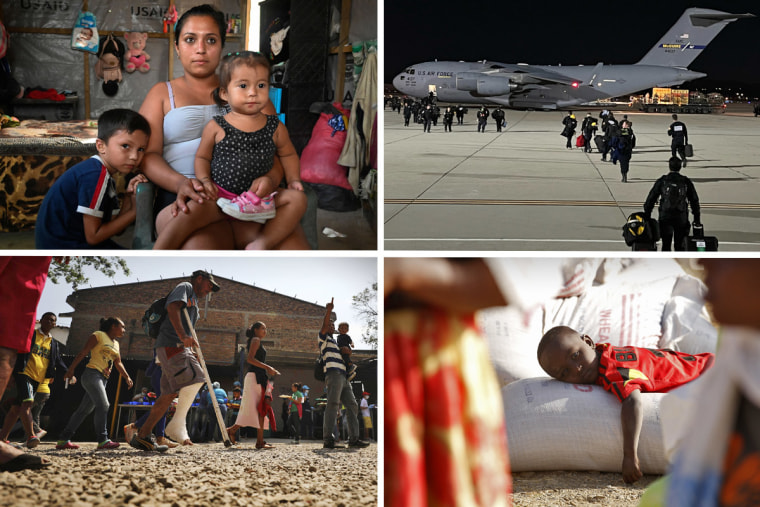
USAID delivers billions of dollars in humanitarian aid overseas, funding that advocates say provides a critical lifeline to more than 100 countries at only a small fraction of the overall federal budget. Nonetheless, President Donald Trump over the weekend criticized it as being “run by a bunch of radical lunatics,” and tech billionaire Elon Musk, who heads his government efficiency initiative, called USAID a “criminal organization.”
The agency has an uncertain future. NBC News has reported that Trump administration officials have discussed placing USAID under the authority of the State Department, according to more than a dozen sources. On Monday, Musk announced that the administration was working to shutter the agency, a week after hundreds of USAID contractors were placed on unpaid leave and some were terminated following a freeze on U.S. foreign aid that Trump imposed worldwide.
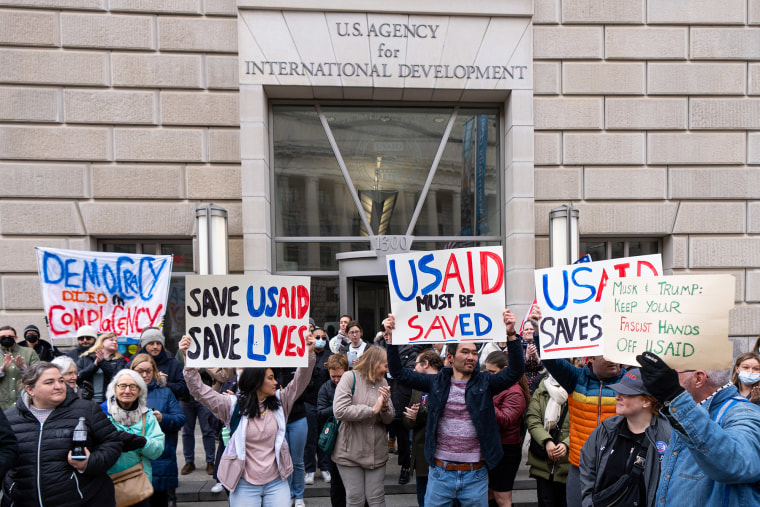
USAID’s office in Washington was closed Monday, and employees were told to work remotely.
The developments come after USAID’s director of security and his deputy were put on administrative leave after reportedly denying Musk’s cost-cutting task force access to its secure systems Saturday.
What does USAID do and why are Musk and Trump so critical of it? Read on for more information.
What is USAID?
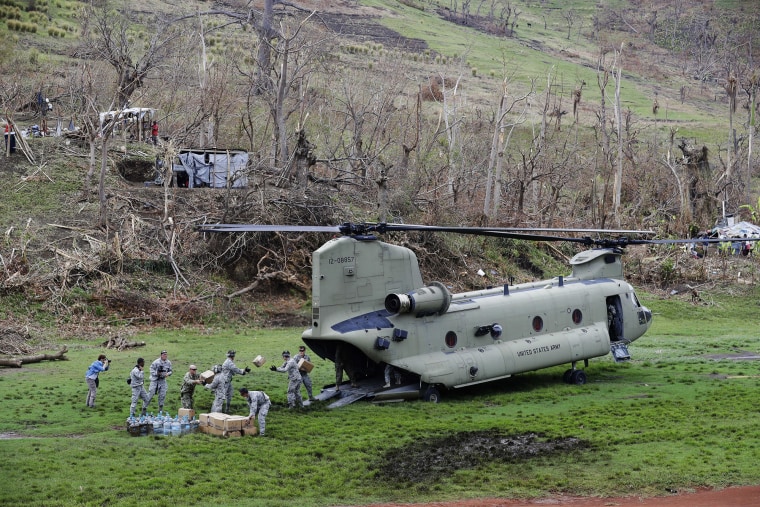
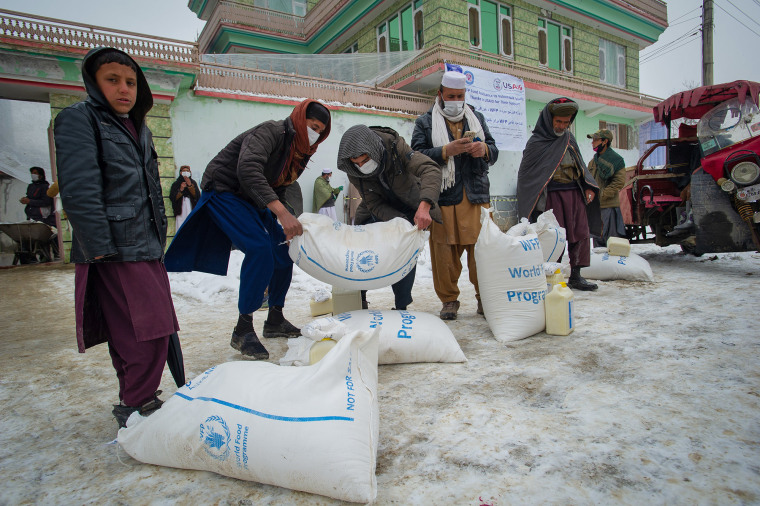
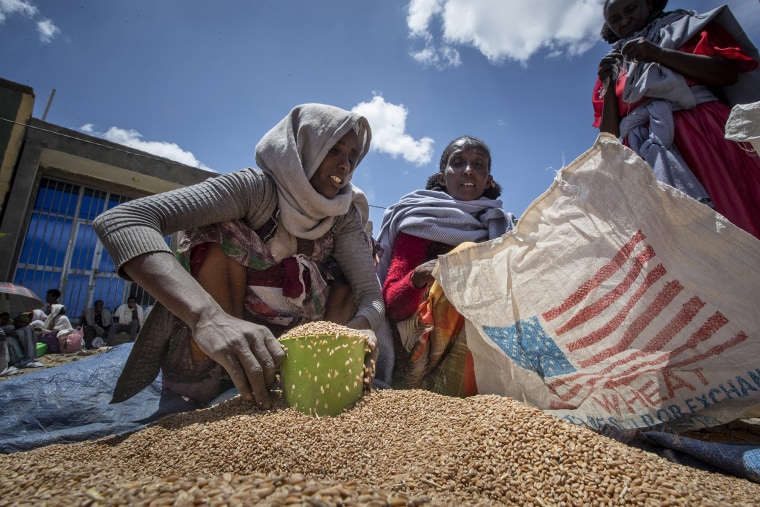
USAID is the international humanitarian and development arm of the U.S. government, assisting nations in conflict and other “strategically important countries” by alleviating poverty, disease and other crises, according to a report by the Congressional Research Service.
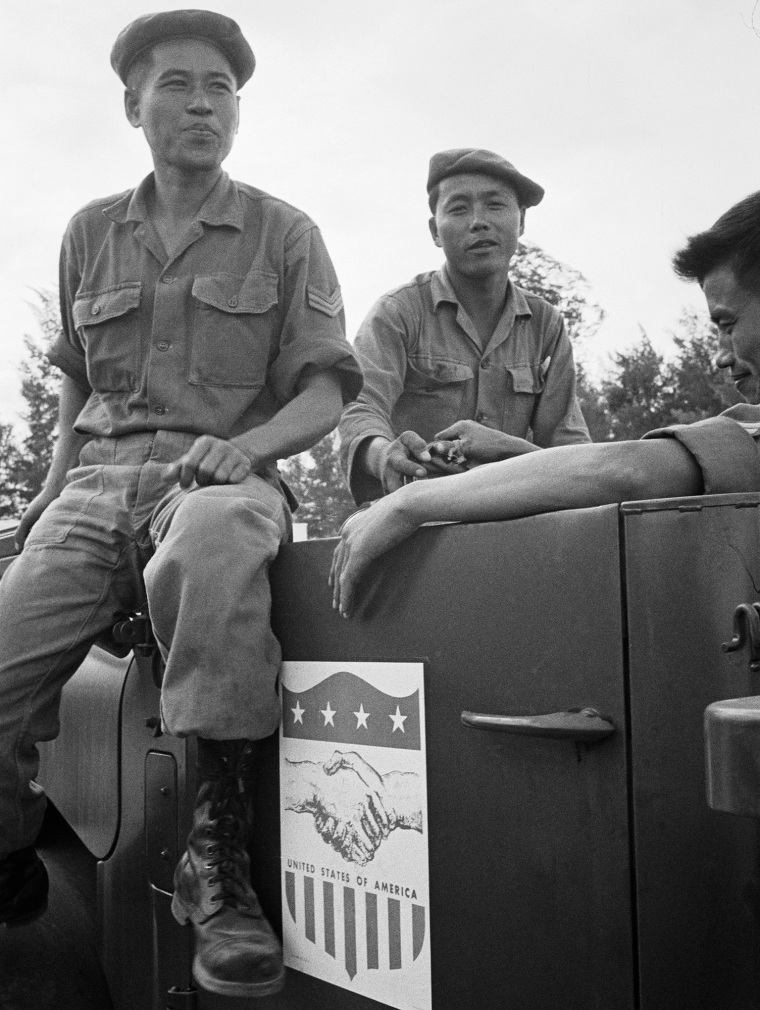
Established by then-President John F. Kennedy in 1961 as an independent agency, the goal of USAID was two-pronged: to counter Soviet influence during the Cold War and to run various foreign assistance programs, based on the idea that American security was tied to stability and economic advancements in other nations.
More than 10,000 people work for USAID, about two-thirds of them overseas, the CRS says.
The agency addresses a wide range of needs, from women’s health to clean water. Jeremy Konyndyk, a former USAID official during the Obama and Biden administrations, described the agency’s work as urgent and said gutting it would disrupt vital public health initiatives at U.S.-funded clinics in other countries.
“To be very explicit about what is being turned off, the sort of things that are being stopped, are programs that support 20 million people on lifesaving HIV treatment right now,” said Konyndyk, who is president of Refugees International, a rights advocacy organization. “That’s a huge risk to those individuals, but it’s also a risk to the health of the world more broadly.”