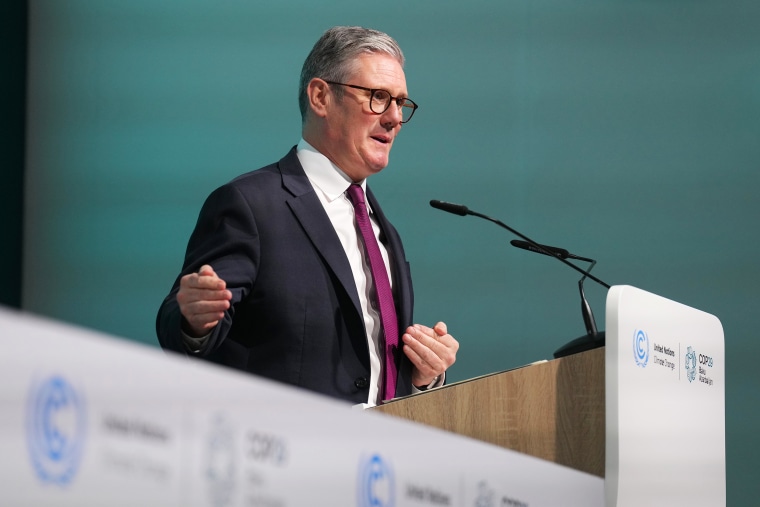
BAKU, Azerbaijan — Ambitious climate action often requires ambitious financing — be it a clean energy transition project or helping developing countries mitigate the effects of natural disasters.
But as extreme weather becomes more the norm and temperatures rise across the planet, what is supposed to be a critical year for funding mitigation efforts has instead turned out to be an especially frustrating one.
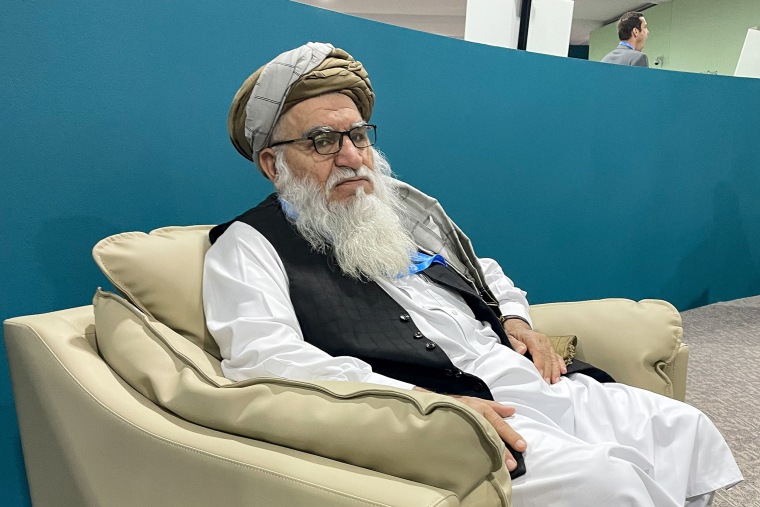
Nearly 50,000 people from 200 countries — including, for the first time, the Taliban rulers of Afghanistan — were in Azerbaijan for this year’s United Nations Climate Change Conference, with the goal of reaching a critical deal on climate finance. The conference was set to end Friday but negotiations over funding extended into the weekend.
A draft of a deal to help the world adapt to and deal with climate change released at the conference, known as COP29, pledged $250 billion annually by 2035 from wealthy countries to poorer ones. While rich nations say it’s realistic and about the limit of what they can do, it is less than a quarter of the number requested by developing nations struck hardest by extreme weather.
The conference was already shadowed by the victory of President-elect Donald Trump, who withdrew the United States from the Paris Agreement climate change treaty the first time he was president and has vowed to do so again. The atmosphere had also been dampened by poor attendance by world leaders, particularly from wealthy nations.
Developing countries are seeking $1 trillion a year by the end of the decade, much of it from developed economies, to transition to green energy and adapt to extreme weather driven by climate change.
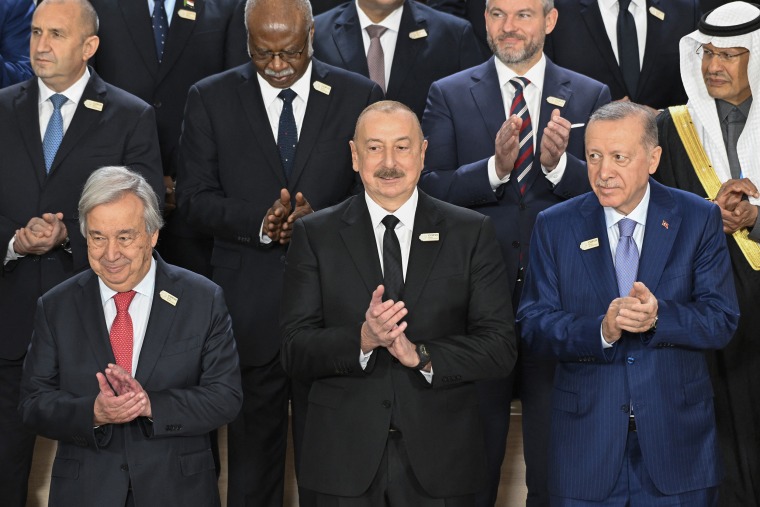
As the World Meteorological Organization says 2024 is on track to be the hottest year on record, some experts are so worried they are calling for a completely new approach. In an open letter published last week, signatories including former U.N. Secretary General Ban Ki-moon said the whole framework of U.N. climate talks is “no longer fit for purpose.”
“We can choose to be proactive about climate, and the time for being proactive is rapidly shrinking,” said Ruth Townend, a senior research fellow at the London-based think tank Chatham House who attended the conference. “Or we can choose to be reactive, which is much more expensive, much harder and has a higher human cost.”
Some of the highest human costs will be paid by smaller nations that are disproportionately affected by climate change, including Pacific Island nations whose existence is threatened by rising seas. But with COP29 weighed down by geopolitics and domestic turmoil, some were reluctant to attend at all.
Deepening divides
Top leaders from a number of major economies were notably absent in Baku, the capital of Azerbaijan.
They included President Joe Biden and Chinese President Xi Jinping, leaders of the two biggest carbon emitters. Though British Prime Minister Keir Starmer did attend, most other leaders of the Group of Seven leading industrialized countries did not, including French President Emmanuel Macron, German Chancellor Olaf Scholz, Canadian Prime Minister Justin Trudeau and Japanese Prime Minister Shigeru Ishiba.
While the bulk of the work happens among lower-level negotiators during long nights in windowless rooms, the presence of heads of state has symbolic value, Townend said.
“It is really disappointing to see that world leaders haven’t shown up in force in solidarity,” she added.
Despite his physical absence, one person whose presence has been felt here is Trump.
U.S. officials have sought to reassure conference attendees after Trump’s victory.
While Trump “may put climate action on the back burner,” U.S. climate envoy John Podesta said, “the work to contain climate change is going to continue.”
U.S. Energy Secretary Jennifer Granholm said states, cities, nongovernmental organizations and companies are still “all-in” on pursuing climate goals. She also noted that 80% of the funding from Biden’s two signature bills, the Inflation Reduction Act and the Bipartisan Infrastructure Law, has gone to Republican districts including to promote the manufacturing of electric vehicles, wind turbines and solar panels.
She said Trump could slow, but not stop, U.S. climate efforts.