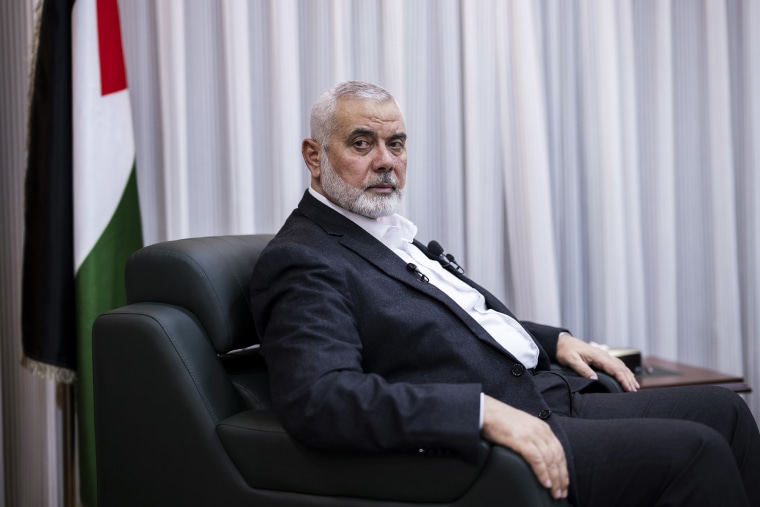
Israel warned that no Hamas leader was safe, but the assassination of the militant group's political chief, Ismail Haniyeh, in Iran’s capital has sent shockwaves across a region hardened by war and conflict.
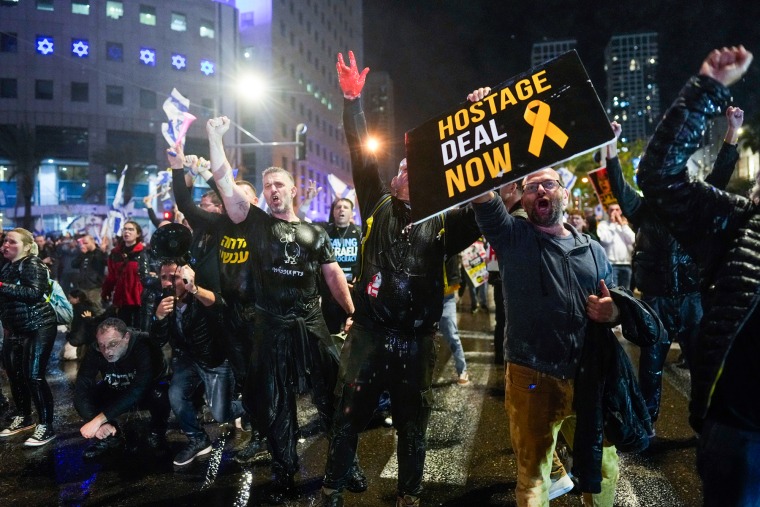
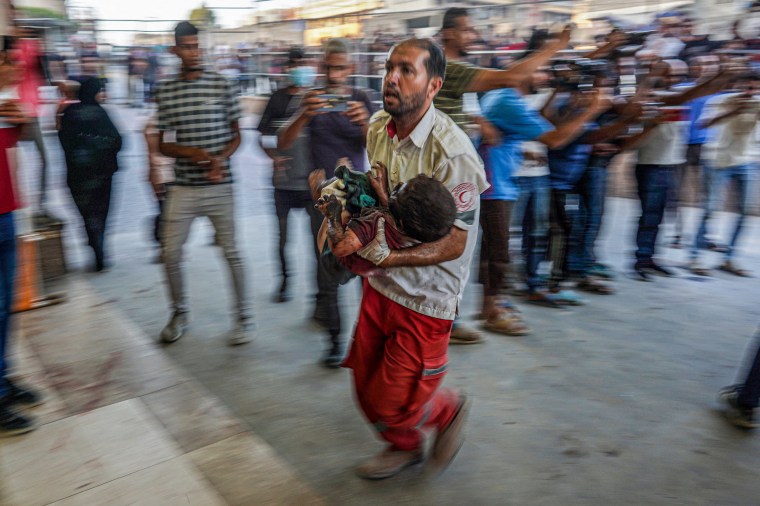
Not only did the strike — which Iran and Hamas have blamed on Israel — deepen fears of an all-out war in the Middle East, it has dimmed hopes for a cease-fire deal that could help wind down the catastrophic war in the Gaza Strip and ensure the release of hostages still being held there.
Iran has vowed vengeance after Haniyeh, 62, was killed in a raid on his home in Tehran, according to Hamas. Iran supports a series of militant groups like Hamas, leading Israel to view it as an existential threat.
There was no immediate comment or official confirmation from Israel, which typically remains silent on targeted assassinations. Senior government official Amihai Eliyahu welcomed the killing on Wednesday, saying it had made “the world a little better” in a post on X.
Israel and its allies will most likely be looking for a way to contain the impact of Haniyeh’s assassination and an attack Tuesday in Beirut to avoid a “full-fledged war” in the region, said Nimrod Goren, a senior fellow for Israeli Affairs at the Middle East Institute, based in Washington, D.C.
“That will be the challenge in the coming days,” he said.
Bilal Saab, an associate fellow of the Middle East and North Africa program at the London-based international think tank Chatham House, said a wider war wasn't a certainty.
While it might appear as if "we're getting closer to a war in the region," ultimately it's unlikely that either Iran or Israel wants to go to war against each other, he said.
“That is the ultimate paradox,” said Saab, a former U.S. Defense Department official and head of the U.S.-Middle East practice of Trends Research and Advisory, a consulting firm based in Abu Dhabi, United Arab Emirates.
Surging tensions
Both Hamas and Iran almost immediately blamed Haniyeh's assassination on Israel, which had promised to kill Hamas leaders over the group’s Oct. 7 terror attack and had targeted his family and other senior members of the movement.
Hamas and Iran promised vengeance after the assassination, which was carried out after Haniyeh had attended the inauguration ceremony for Iranian President Masoud Pezeshkian.
"The criminal, terrorist Zionist regime martyred our dear guest in our territory and has caused our grief, but it has also prepared the ground for a severe punishment," Iran's Supreme Leader Ayatollah Ali Khamenei said in a statement on X, underlining how the Islamic Republic is likely seeing the attack as a severe violation of its sovereignty.
Pezeshkian, who has been described as a reformist open to improving relations with the West, also vowed to make Israel regret killing Haniyeh.
Hamas said Israel had taken “the battle to new dimensions.”
Tensions between Iran and Israel have simmered, if not boiled, for decades since the 1979 Islamic Revolution in Iran, which does not officially recognize Israel's right to exist and has been a significant supporter of the Palestinian cause.
Israel has long viewed Iran as an existential threat, particularly due to its backing of militant groups in the region, known as the "Axis of Resistance," which includes Hezbollah in Lebanon and the Houthis in Yemen.
On Tuesday, Israel killed a senior commander of Hezbollah on the outskirts of the Lebanese capital, Beirut. Israel blamed Hezbollah commander Fuad Shukr for a rocket attack on Saturday that killed 12 children in the Israeli-occupied Golan Heights.
Mohamed Ali al-Houthi of the Supreme Political Council in Yemen said the “unacceptable political murder” of Haniyeh would “lead to further escalation of tensions.” Yemen’s Houthi rebels have launched repeated attacks on Red Sea shipping in response to the war in Gaza and recently claimed responsibility for a drone strike in Tel Aviv that killed one person.