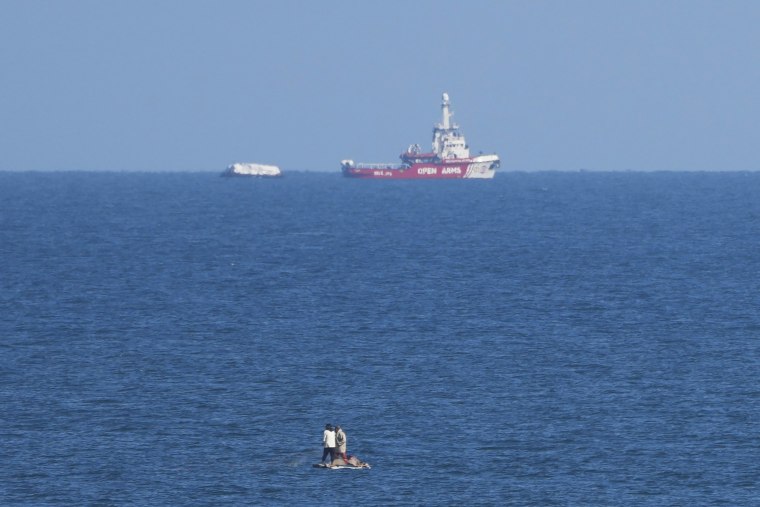
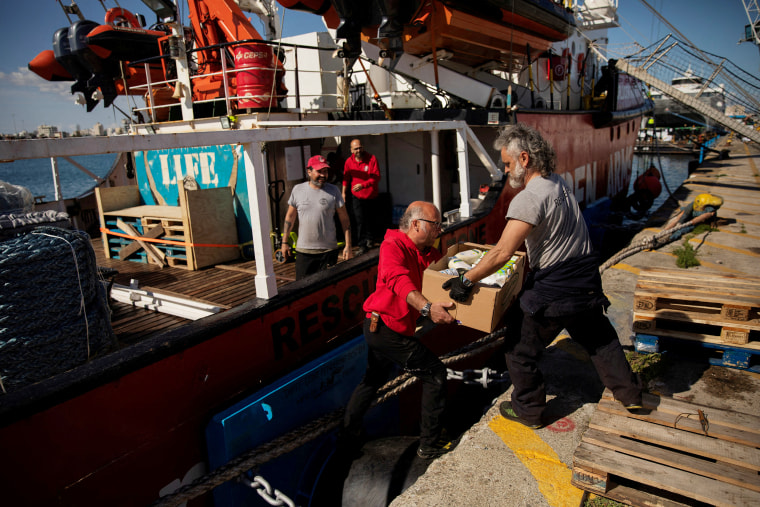
TEL AVIV — A private aid ship docked off the coast of Gaza early Friday, carrying the first nautical delivery for hungry Palestinians while tons of food and supplies sit on idling trucks in Egypt, waiting for permission to enter the besieged enclave.
The Open Arms, named after the Spanish charity that transported the supplies, towed a barge containing flour, rice and protein to the enclave, where five months of war have left around a quarter of its 2.3 million residents “one step away” from famine, according to the United Nations, which has noted that children have already died from malnutrition and dehydration.
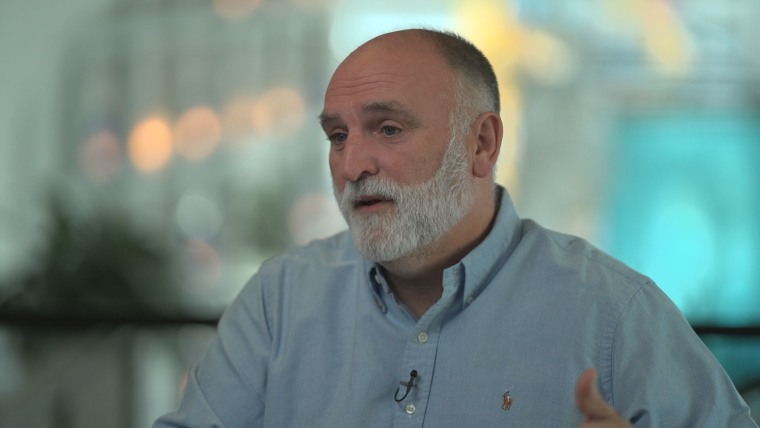
The food was collected by World Central Kitchen, the charity founded by celebrity chef José Andrés, which operates a network of around 60 kitchens across the Gaza Strip. “Our goal is to establish a maritime highway of boats and barges stocked with millions of meals continuously headed towards Gaza,” Andrés and the NGO’s CEO, Erin Gore, said in a statement Tuesday, when the ship set sail on the roughly 200-mile voyage from the Larnaca port in Cyprus.
The nongovernmental organization said in a separate statement Friday that preparations were underway to move the goods onto a jetty built from destroyed rubble, although it was not immediately clear when that would happen.
The new nautical route — as well as recent aid airdrops into northern Gaza — comes amid increasing international frustration about the growing humanitarian crisis in the enclave and the inability to get enough aid in by road.
The U.S. and many of its international partners have been pushing to speed up the flow of humanitarian assistance into Gaza. But Israel has tightly controlled the entry of aid, which has been delivered by trucks through the country’s Kerem Shalom border crossing or the Rafah border crossing with Egypt.
Aid groups have said their efforts have been hampered because of the difficulty coordinating with the Israeli military, as well as ongoing fighting and the breakdown of public order, which have led to the looting of several convoys. As a result, only a small fraction of what is needed has entered the enclave, the agencies have said.