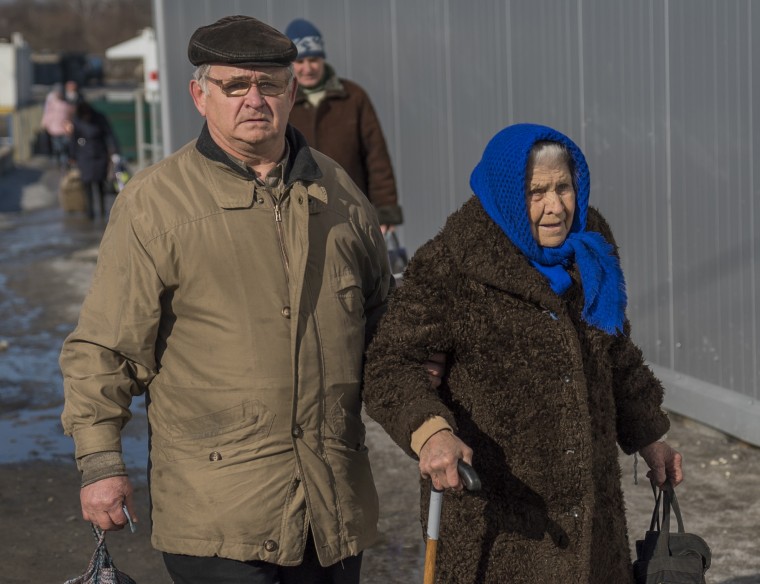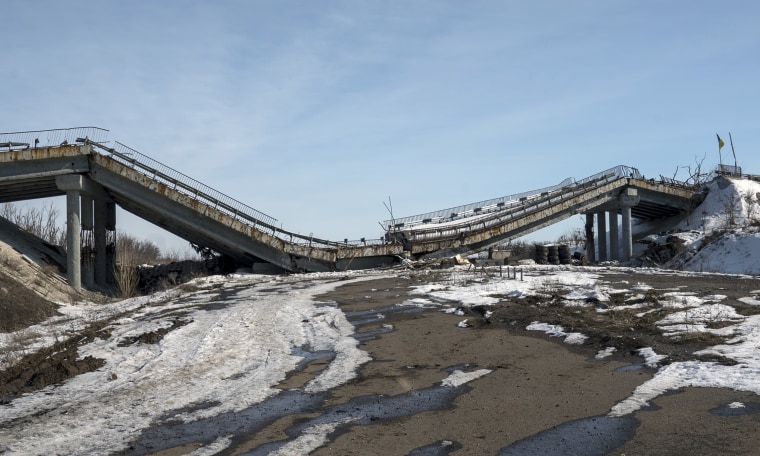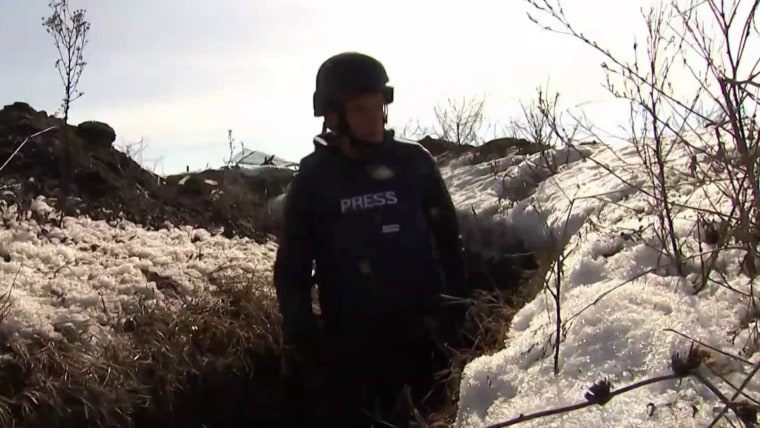
AVDIIVKA, Ukraine — In the forgotten trenches of Europe, war is grinding into its sixth year.
Soldiers trudge along a snowy track lined with shell holes now covered in ice. They sprint across a gully to avoid enemy snipers and make it to the relative safety of trenches that snake through a scarred landscape of barren trees and shattered buildings. Makeshift walkways of scrap wood do little to keep out the mud that is everywhere.
Through a small opening in a bunker, a soldier peers out into no-man’s land as a heavy gun stands at the ready nearby. The enemy is just 300 yards away and the sound of artillery can be heard over the trench walls.
The crack of a sniper rifle rings out, but the soldiers don’t react.
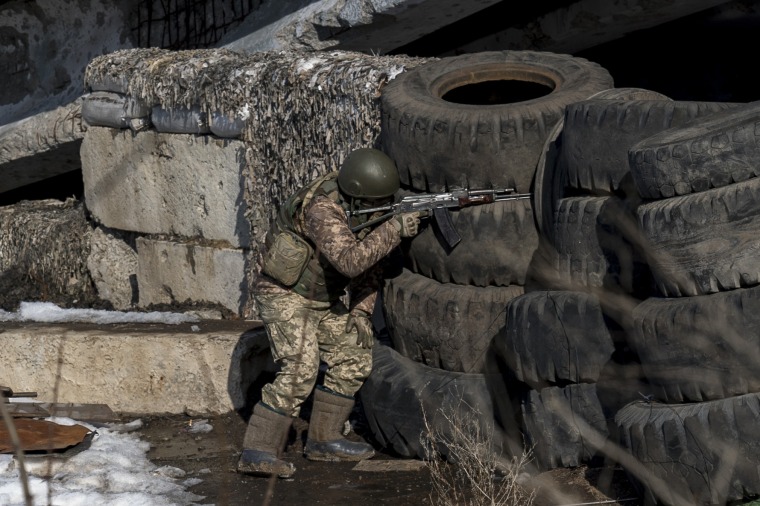
They’ve been fighting here too long and the fire is too far away — this time.
The war in Eastern Ukraine is frozen. And what started as a seemingly internal squabble has become one of the most dangerous potential flashpoints between Russia and the United States.
Some 13,000 people have been killed in the fighting since Russian-backed separatists declared independence and established their own “People’s Republics” in April 2014, according to the United Nations.
More than 2,000 were killed last year alone, despite a ceasefire.
Ukraine is not yet a member of NATO, but it aspires to join the defense pact. Were that to happen, it could be a red line for Russian President Vladimir Putin and turn this regional conflict into a far larger war.
All this in a conflict that is technically under a ceasefire deal.
Clearly, those agreements brokered by diplomats and peacekeepers mean little for soldiers on the frontline, however.
Ukrainian officer Dmitri Kebtz has been fighting for three years. With his graying beard and AK-47 rifle slung over his shoulder, he looks every bit the part of the battle-hardened soldier. But this is not where he wants to be.
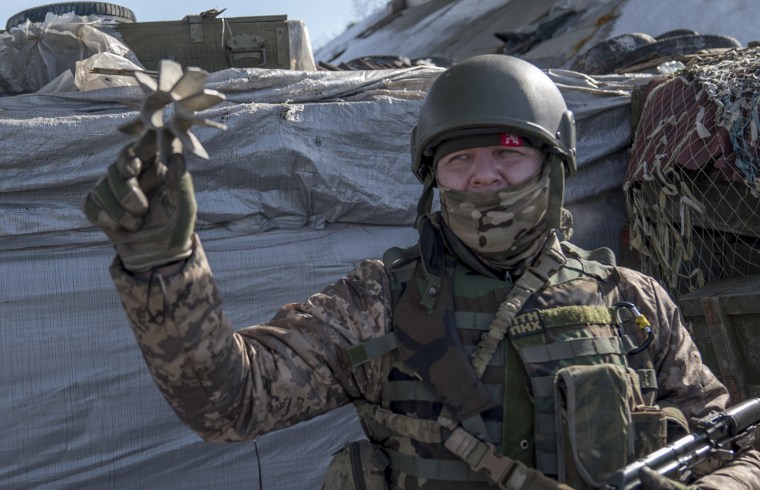
“I don’t like this,” he says. “I’m civil. But I feel if I don’t come to the army, who is coming?"
Where once rockets and tank shells shattered apartment blocks and rural villages, snipers are now the greatest enemy.
“You can hide from artillery,” Kebtz says. “But snipers see your face.”
It is a constant worry on the frontline, a refrain heard at every turn and gap between cover: Stay low, move fast, spread out.
Kebtz claims the highly trained snipers — and their commanders — are in fact from the Russian army, not local separatists.
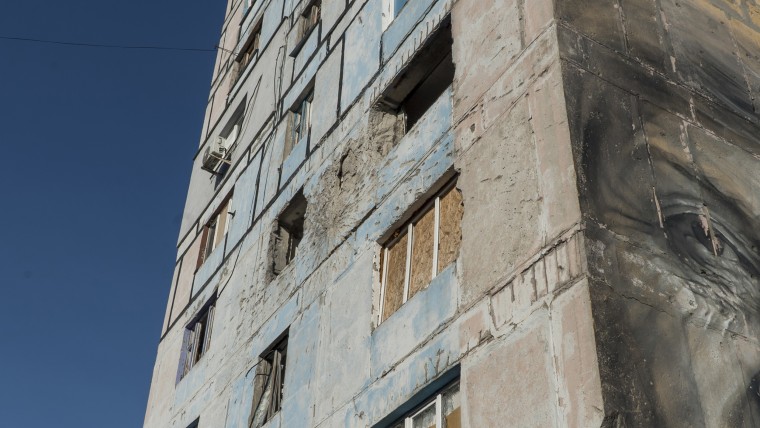
At first Russia denied that it was playing any role in the conflict, but the casualties sent home and advanced weapons systems spotted in the area soon lifted the veil on their involvement.