It’s a small sliver of land, but it’s become a major sticking point in talks between Israel and Hamas.
The so-called Philadelphi corridor has emerged as a critical factor holding up a cease-fire deal that would end the monthslong war in the Gaza Strip and secure the release of hostages still held in the enclave.
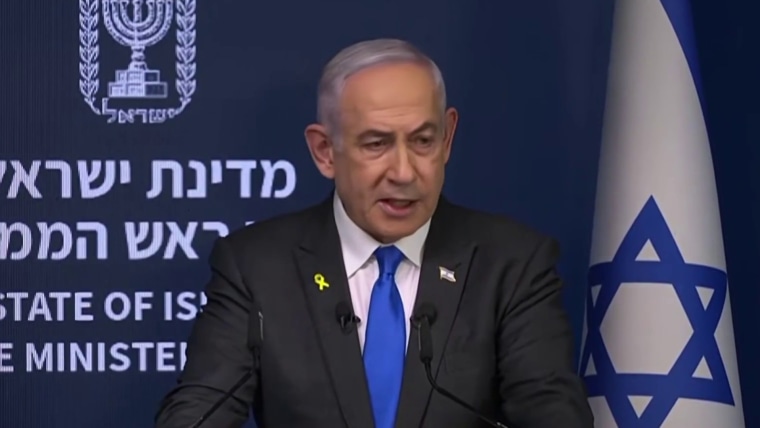
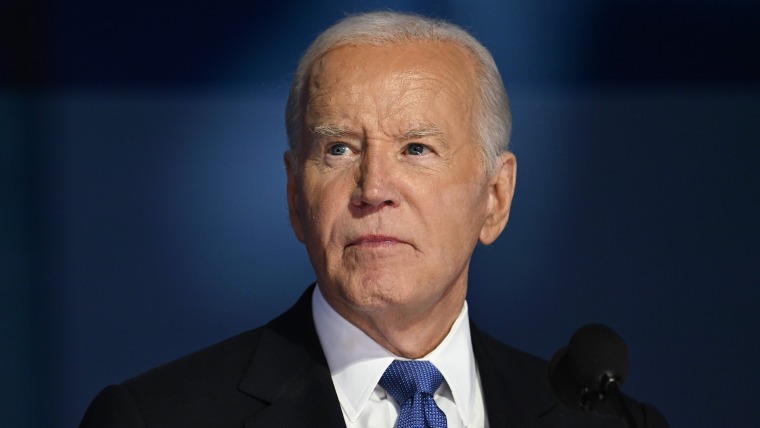
Outcry over the killing of six hostages has intensified pressure on Israeli Prime Minister Benjamin Netanyahu, with President Joe Biden saying Monday that he was not doing enough to secure a deal. But Netanyahu signaled he had no plans to soften his stance on keeping troops in the area despite mass protests and internal disagreements.
So what is the Philadelphi corridor — and why is it so important?
What is the Philadelphi corridor?
The Philadelphi corridor, also known as the Salah al-Din axis, refers to a narrow strip of land just under 9 miles in length and around 100 yards wide that runs along the Gaza side of the coastal enclave's border with Egypt.
It includes the key Rafah border crossing, long considered a lifeline for Palestinians in Gaza — allowing crucial supplies of food, medicine and other aid to get into the strip and enabling the movement of Palestinians in and out of the enclave under a 17-year blockade imposed by Israel.
The corridor was set up as a buffer zone in accordance with the 1978 Camp David Accords between Egypt and Israel, with the aim of controlling movement in and out of Gaza and preventing arms smuggling between the Egyptian Sinai and the Palestinian enclave.
The area was under Israeli control until Israel’s unilateral withdrawal from the Gaza Strip in 2005, prior to which Israel and Egypt signed the Philadelphi Accord, which allowed Egypt to send hundreds of border guards to patrol the corridor's borders.
In May, the Israeli military announced it had established “tactical control” over the corridor after launching a widely condemned offensive on the crowded city of Rafah in southern Gaza.
Israeli officials said troops had discovered some 150 tunnels along the corridor believed to have been used by Hamas to smuggle weapons and supplies into the enclave, though they said it wasn't clear if the tunnels had been used since Oct. 7.


