HONG KONG — Sasha Xu tried to get out of Shanghai weeks ago.
With lockdown looming in late March, as China’s most populous city struggled to contain the country’s worst coronavirus outbreak since the start of the pandemic, Xu secured a ticket for a train to her hometown in a neighboring province. But before she could get to the station, her gated residential complex was locked down.
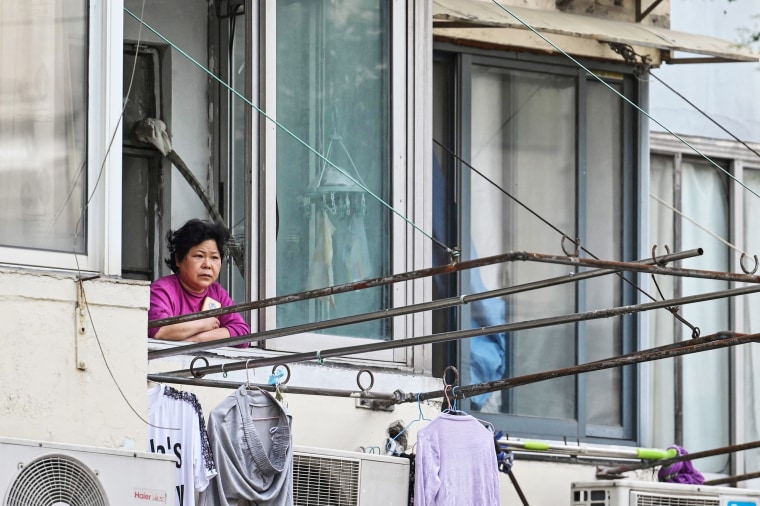
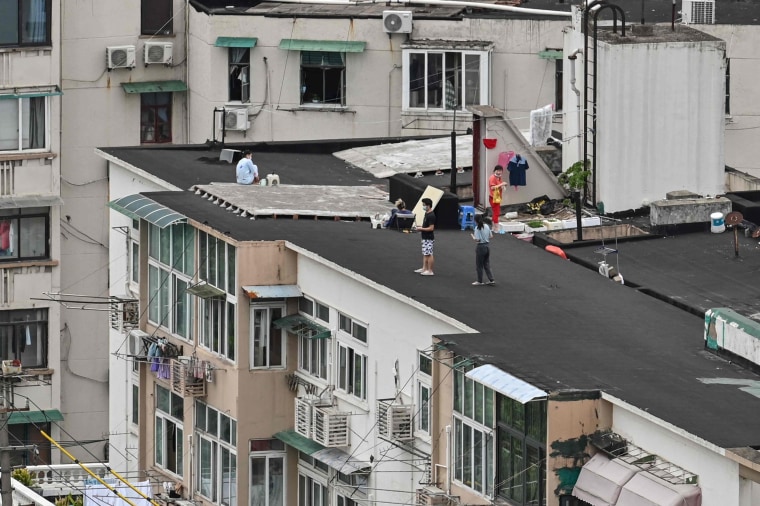
Xu, 23, ended up spending six weeks confined to her 800-square-foot apartment and was only recently allowed to venture out into the complex grounds. She was furious at getting stuck, she said, and reading about other residents’ lockdown difficulties has only added to her distress.
“Sometimes, I avoid reading any news just for my mental health,” she said.
Shanghai has mostly eradicated cases outside quarantine, and it is easing some restrictions ahead of the two-month lockdown’s official end on Wednesday. But some residents complain their neighborhood committees have actually further restricted their movement for fear of a rebound in infections.
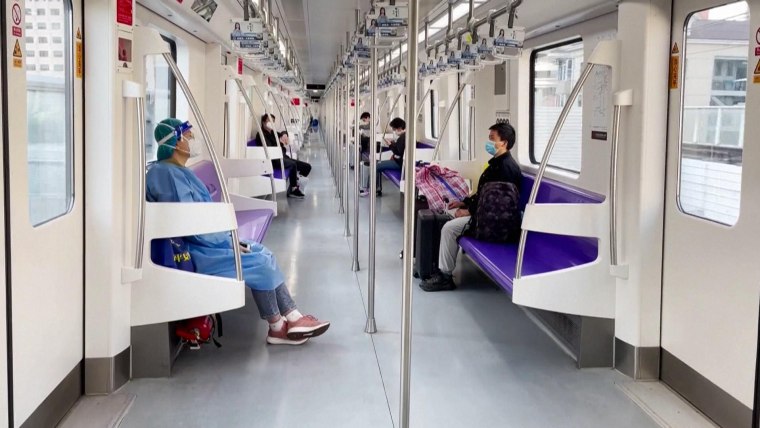
Even if the lockdown ends on schedule, its effects — on the economy, public health and trust in government — could last much longer.
Lockdowns in Shanghai and elsewhere this spring have taken a major toll on the Chinese economy, which analysts say may shrink in the second quarter. Speaking at a teleconference the government held on Wednesday, Premier Li Keqiang said that despite new stimulus measures, the economic difficulties the country now faces are “in some respects and to a certain extent greater than those experienced in 2020” when the pandemic began.
Though some manufacturing has been allowed to resume, global supply chain disruptions stemming from the Shanghai lockdown have affected everything from Tesla’s electric vehicles to the contrast dye used in CT scans.