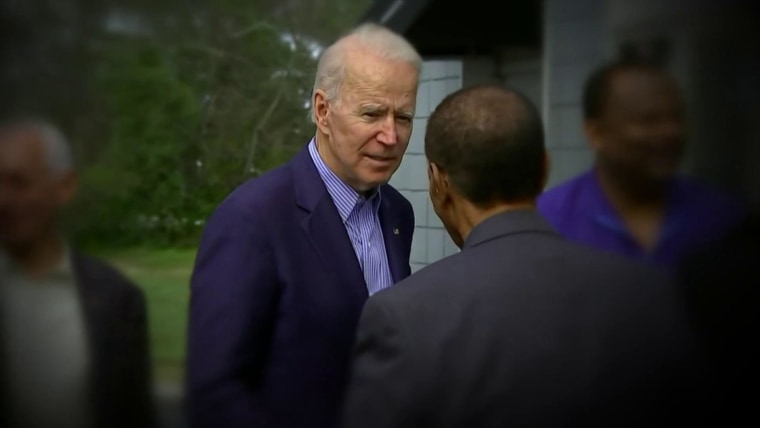
ALCOLU, S.C. — No matter who wins the Democratic presidential primary on Saturday, the story of South Carolina will be one of missed opportunities for a field of candidates that failed to fully connect with the state's black electorate.
That may be most true for former Vice President Joe Biden, who is well positioned to win the state but could fall short of the kind of decisive victory that catapulted Barack Obama and Hillary Clinton to the Democratic nomination in 2008 and 2016, respectively.
This is the first time since 2004 that no single candidate is poised to take the vast majority of the African American vote. So, there should have been a premium this year on candidates courting black voters pocket by pocket to build a coalition. But polling suggests that, with only a day left until the last election before Super Tuesday, that hasn't happened yet.
"Some are doing it well, some are still trying to figure it out," said Clay Middleton, who served as state director for Clinton's campaign.
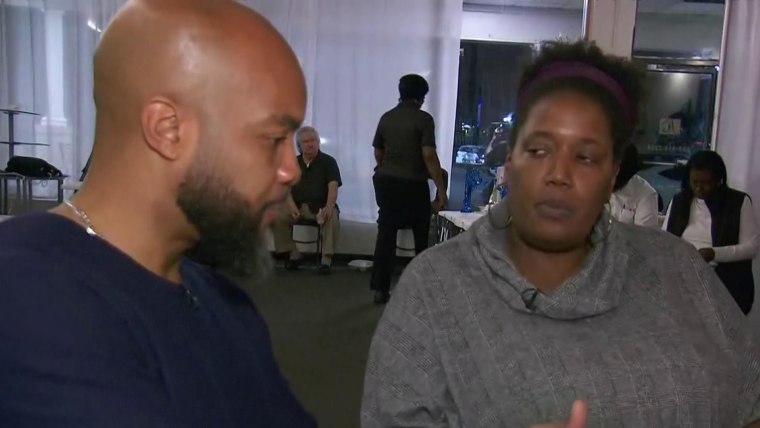
That lack of political sophistication on the part of the Democratic campaigns may limit the state's traditional role as a bellwether and an influencer for heavily African American states in the Deep South and delegate-rich cities on the coasts and in the industrial Midwest later in the nominating process. If the trend continues in those states and cities, the power of black voters in picking the eventual Democratic nominee could be reduced from the decisive role they played in the 2008 and 2016 primaries.
With no candidate an automatic choice for the majority of black voters here, each hopeful had a chance to go deep into demographic nuances of the broader community to tailor messages to, say, women with post-graduate degrees, married men who work for wages, or poultry farmers. But attention to such detail was limited in 2020.
The only black candidates to enter the race — Sens. Cory Booker of New Jersey and Kamala Harris of California, and former Gov. Deval Patrick of Massachusetts — dropped out long before the campaign turned to South Carolina. As the field grew whiter, and even as it got smaller, the challenge for strategists remained the same: There was no real playbook to follow.
"Most black voters have only had two choices in recent Democratic primary history, and so it’s a lot easier to consolidate when there are two choices and one is clearly better than the other than when there are seven choices and you feel the same about all of them," said Addisu Demissie, who was Booker's campaign manager.
"Obama and Clinton both had unique strong historical appeal among black voters," he said of candidates who each won more than 80 percent of the African American electorate in the state. "I do not think there are any candidates in the race right now who have that same level of affinity, and Biden is the closest."
Biden, who holds a 12-point overall lead in the Real Clear Politics average of polls in the state, came in first with 34 percent among African American voters in an East Carolina University survey released this week. He was followed by billionaire Tom Steyer at 24 percent, Vermont Sen. Bernie Sanders at 22 percent and Massachusetts Sen. Elizabeth Warren at 6 percent.
That's a big lead for Biden, but nothing near the commanding totals he saw in early polling in the state or the shock-and-awe margins that signaled Obama and Clinton were the uncontested choices of black voters in the years they won. When Biden's numbers slipped following poor performances in the Iowa caucuses and New Hampshire primary, no one else was able to fully take advantage.
Only Steyer poured cash into advertising in the state, much of it targeted at building support in the black community. While he had the resources to test Biden's early strength, most of their rivals were hesitant to invest much cash and time when they thought Biden had the African American electorate secured. So, when Biden began to falter, the others had not laid much groundwork.
"What we’re seeing now is a belated competition for voters that were probably always up for grabs in the first place," Demissie said.
Biden has steadied himself over the last week with a second-place finish in Nevada, a solid debate performance here Tuesday and a crucial endorsement from House Majority Whip Jim Clyburn, D-S.C., the highest-ranking African American official in Congress.
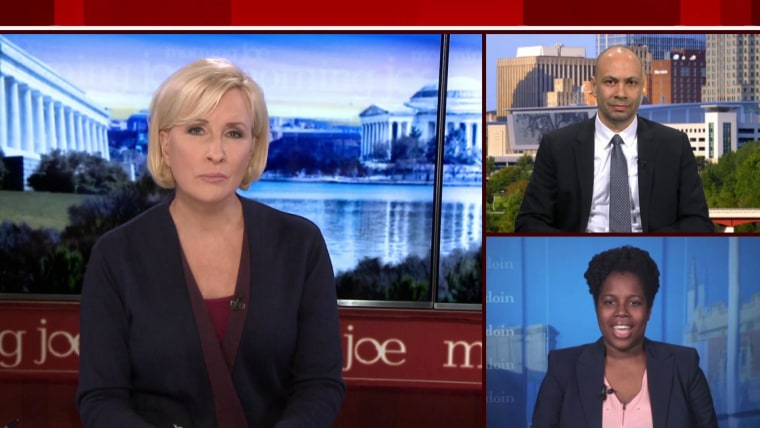
Still, Demissie said that a fractured African American electorate is ultimately good for Sanders, even if Biden wins the primary here.
"That is to the benefit of a candidate that has a strong base outside of the black vote," Demissie said. "Sanders is the only candidate that has a rock-solid base."
Sanders has made more of a play for black voters in this election than he did in 2020, and his victory in the Nevada caucuses Saturday showed a coalition that included significant shares of the white, black and Latino votes.
In May, he went to Bamberg County, where he won just 197 votes in 2016 — about 10 percent of those cast — to talk to residents about toxic chemicals in the water in the town of Denmark and environmental justice. He also stopped in Orangeburg, another spot on the state's impoverished "Corridor of Shame," to unveil his "Thurgood Marshall plan" for public education.

