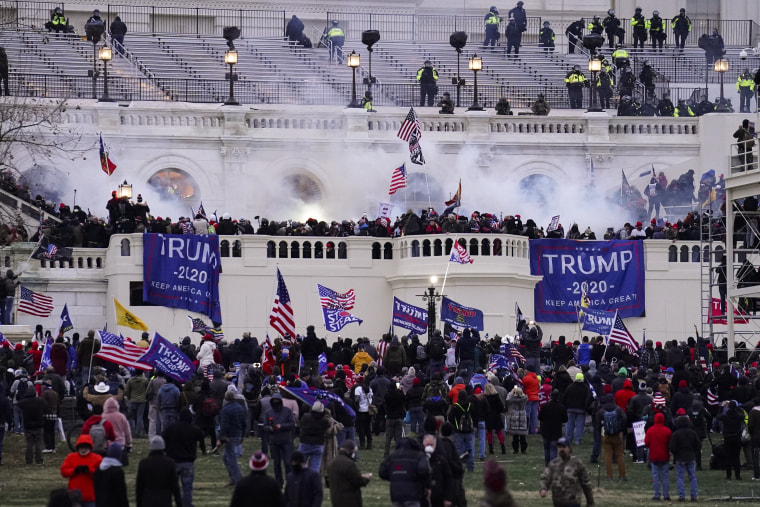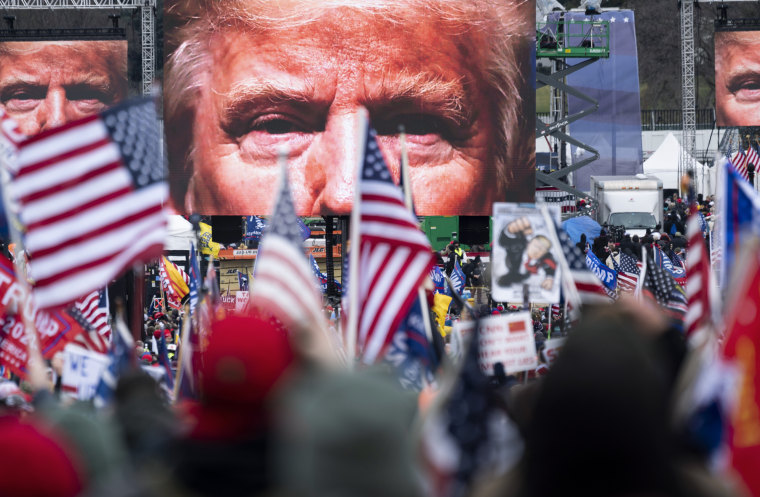
WASHINGTON — For the past three years, defense lawyers seeking leniency for Jan. 6 rioters have often struck a similar theme in trying to explain to federal judges and Washington juries how their clients fell for thoroughly debunked lies about the 2020 presidential election.
They argued that their clients weren’t very smart or that they had conditions that made them vulnerable to disinformation.
In court filings and sentencing memos, lawyers defending Jan. 6 rioters have argued that their clients were duped and manipulated, that they were poorly educated, had low IQs and lacked critical thinking skills. They wanted former President Donald Trump’s “respect” and “approval” and thought they were “following presidential orders,” lawyers argued. Some Jan. 6 defendants have even called themselves idiots, lamenting that they were credulous enough to have fallen for what they now see as obvious lies.
The strategy appears to have had an impact in some cases, with judges agreeing to more lenient sentences, particularly in cases in which defendants appear genuinely remorseful for their conduct and regret that they were so gullible.
But it’s hard to see the same approach working for Trump, who famously called himself a “very stable genius,” as his own Jan. 6 trial nears.
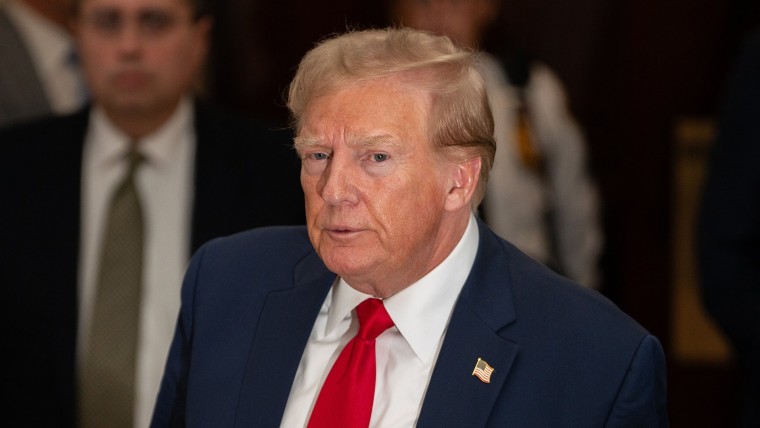
In court filings in connection with special counsel Jack Smith’s election interference case, which could go to trial as soon as March, Trump’s lawyers have gone the opposite route, attempting to give an intellectual spit-shine to his lies about mass voter fraud in the 2020 election. Trump’s worries about election fraud were not knowingly false, they’ve written, but “were plausible and maintained in good faith.” Trump, his attorneys wrote, had “reasonable concerns about the integrity of the 2020 election,” and it “was not unreasonable at the time, and certainly not criminal, for President Trump to disagree with officials now favored by the prosecution and to rely instead on the independent judgment that the American people elected him to use.”
In a filing to the U.S. Circuit Court of Appeals for the District of Columbia this week, Trump’s attorneys went further, writing that there are “vigorous disputes and questions about the actual outcome of the 2020 Presidential election — disputes that date back to November 2020, continue to this day in our nation’s political discourse, and are based on extensive information about widespread fraud and irregularities in the 2020 election.”