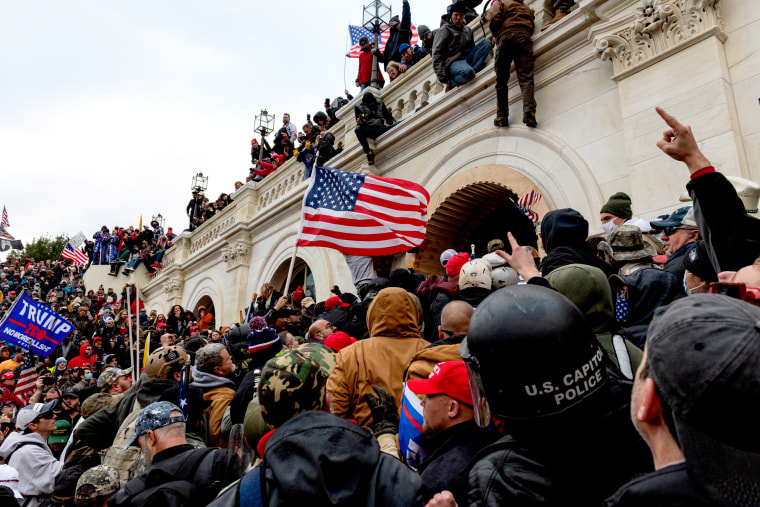
WASHINGTON — In the two years since a mob of Donald Trump supporters stormed the U.S. Capitol — violently assaulting dozens of officers, inflicting millions of dollars in damage and sending lawmakers scrambling — the FBI and the Justice Department have responded with a historic and sprawling investigation that has resulted in more than 900 arrests, nearly 500 guilty pleas, dozens of significant prison sentences and more seditious conspiracy convictions than the U.S. had seen in several decades.
Still, the FBI has arrested just a small fraction of the more than 3,000 people who could be charged. At least 250 suspects wanted by the bureau on accusations that they assaulted officers on Jan. 6, 2021, are still at large, according to federal authorities, as is the person who planted pipe bombs outside the Democratic National Committee and the Republican National Committee before the attack.
Heading into the third year of the investigation, the pace of arrests has slowed dramatically, even as federal prosecutors have just three years left until the statute of limitations runs out on most Jan. 6 offenses. And just as the Justice Department is set to get millions of additional dollars to fuel its investigation, it will also face scrutiny from a Republican-controlled House from members who have called to defund the FBI and who have heavily criticized the Justice Department’s Jan. 6 probe.
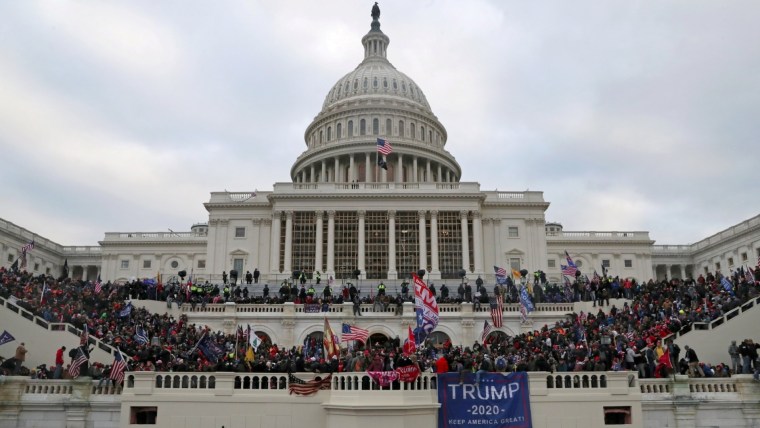
The Justice Department did win substantial victories in the second year of its investigation into the unprecedented attempt to prevent a peaceful transition of power. Federal prosecutors secured more than 300 guilty pleas in a single year. Federal judges imposed nearly 300 sentences, including a record 10-year prison sentence for a retired New York City police officer who assaulted a Washington cop with a flagpole and then lied about his actions on the stand. The FBI made numerous key arrests, and it even arrested a GOP candidate for governor who it says helped destroy property on Jan. 6. And the Justice Department won multiple convictions in a major trial against members of the far-right Oath Keepers, including two for seditious conspiracy (three other Oath Keepers pleaded guilty to seditious conspiracy as part of a plea deal).
But the federal investigation has been strained, spread thin and strapped for resources as a sometimes less-than-agile federal bureaucracy adapts to the overwhelming scope of the caseload. That includes digging through a massive trove of digital evidence, much of it generated by rioters who extensively documented their criminal activities with their cellphones. The FBI is working its way through almost 4 million files, including more than 30,000 videos from body-worn cameras, surveillance cameras and rioters’ devices. “For context, these files amount to over nine terabytes of information and would take at least 361 days to view continuously,” the FBI said this week.
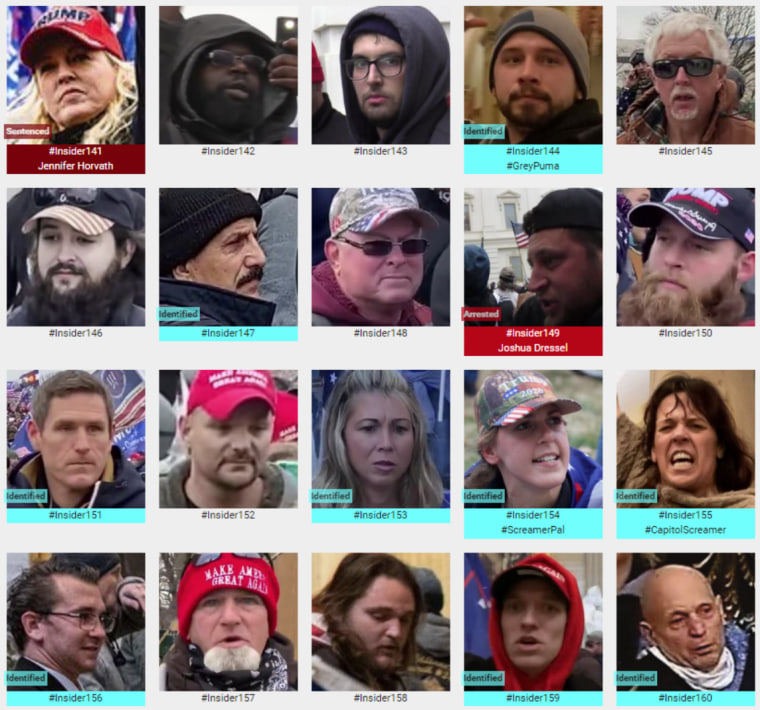
The community of online investigators who have identified rioters and played a role in hundreds of Jan. 6 cases, meanwhile, say they have spent much of the last year on an emotional roller coaster. The “sedition hunters” have celebrated arrests they had waited on for months after having turned over information to the FBI, devoured new evidence from federal trials and the House Jan. 6 committee that led to more identifications and investigative leads, and marveled at the enormous impact their work has had in case after case. They have built a repository of content from more than 5,100 Facebook profiles, 1,400 YouTube accounts, 600 Instagram profiles, 1,600 Twitter feeds, nearly 200 Rumble accounts and more than 900 TikTok profiles, according to one of the online investigators.
The online investigators say that they have positively identified hundreds of additional rioters to the FBI who have not yet been arrested and that they are growing frustrated by the slowing pace of FBI arrests.
More than 100 people featured on the FBI’s Capitol Violence webpage — which essentially functions as a “most wanted” list of riot suspects — have been identified by online investigators but have not yet been arrested by the bureau, three sources close to the investigation said. In addition, online sleuths have positively identified more than 600 people who entered the Capitol on Jan. 6 and have not been arrested, the sources said. Hundreds of those names, as NBC News has reported, are in the FBI’s possession.
While the FBI arrested more than 700 defendants in the first year of the investigation, it arrested about 200 in the second. The Justice Department has chosen to focus its resources on people who either entered the Capitol or committed violence or property damage outside, not on the thousands of demonstrators who simply passed barricades and entered the restricted grounds of the Capitol. The FBI has arrested more than 900 people, but the total number of Jan. 6 participants who could be charged under that approach is more than 3,000, according to a database compiled by sleuths.
Some of the sleuths are perplexed by what they see as a lack of prioritization by the bureau, gritting their teeth as rioters they have watched violently assaulting law enforcement officers on social media and surveillance video go on vacations and attend family weddings and spend yet another holiday home with their families without facing consequences.
The list of not-yet-arrested Jan. 6 participants whom these open-source investigators say they have identified after having either spotted them inside the Capitol or engaged in violence or destruction outside includes: veterans; people featured in adult entertainment videos; a funeral home director; the niece of a famous comedian; a corrections officer; an elected official in Connecticut who has since admitted having entered the Capitol; a celebrity photo collector who has had his image snapped with Rihanna, Selena Gomez and Kim Kardashian; a man who flashed a gun at the Capitol and then fatally stabbed a 19-year-old man in a park in Salt Lake City; a male model; a former police officer; a real estate agent; an ex-NFL player; a race car driver; a neurosurgeon; a stand-up comic who was featured on “America’s Got Talent”; and a man previously arrested for playing a musical instrument naked in public. At least two people who were featured on the FBI list died before they were arrested, as did at least two other people who went inside the building, according to the sleuths. Other uncharged Jan. 6 participants identified by the sleuths have been arrested on other charges, including a man who was arrested for walking around his neighborhood sans pants.
The clock is ticking: The statute of limitations for most federal crimes is five years, meaning most Capitol attack defendants would have to be charged by Jan. 6, 2026.
Federal authorities tried to make it clear this week that they are in this for the long haul.
“In the months and years to come, the FBI Washington Field Office will continue to partner with U.S. attorney’s offices across the country to bring to justice those who attempted to use violence to substitute their will over the will of the people,” David Sundberg, the assistant director in charge of the FBI’s Washington field office, said in a statement.
The Justice Department said the federal investigation “continues to move forward at an unprecedented speed and scale,” with Attorney General Merrick Garland praising staff members who participated “in one of the largest, most complex, and most resource-intensive investigations in our history.”
“Our work is far from over,” Garland said in a statement. “We remain committed to ensuring accountability for those criminally responsible for the January 6 assault on our democracy. And we remain committed to doing everything in our power to prevent this from ever happening again.”
But online investigators worry time is running out.
“While it was encouraging to see the FBI state that they plan to bring justice to the remaining rioters in the months and years to come, the current pace of arrests is simply not sufficient to achieve that goal,” one of the sleuths said. “The phrase ‘justice delayed is justice denied’ seems very applicable to this situation.”