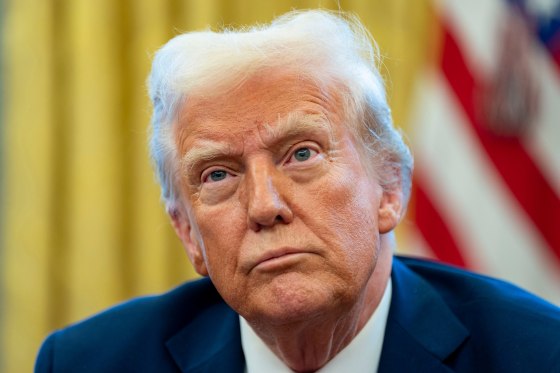
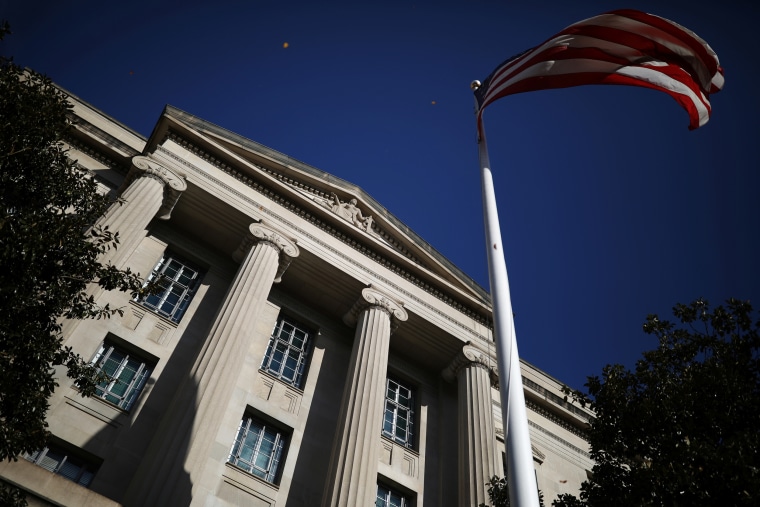
Donald Trump kicked off his second presidential term with dozens of executive orders, many of which focus on hot-button culture war issues, from transgender and abortion rights to diversity, equity and inclusion initiatives. The job of enforcing the administration’s position on those issues will largely fall to the Justice Department’s Civil Rights Division.
During past handovers between Democratic and Republican administrations, the Civil Rights Division has undergone major policy shifts. During the George W. Bush administration, for example, the division focused resources on fighting religious discrimination. After Barack Obama took office, the division prioritized preventing racial and ethnic discrimination.
The scale of the expected civil rights policy changes between the Biden and Trump administrations may eclipse those of past transitions.
Former Justice Department officials and advocates told NBC News they expect the new administration to swiftly carry out sweeping reversals of most major Biden administration civil rights policies. Already, the Trump-run department has issued a memo freezing all action in civil rights cases, including filings and settlements, and withdrawn from multiple cases filed during the Biden administration.
As it has in other parts of the Justice Department, the Trump administration has made personnel changes in the Civil Rights Division. The top two officials in its appellate section have been reassigned to a new task force that will prosecute officials from sanctuary cities who do not cooperate with federal immigration enforcement efforts, according to a DOJ official familiar with the matter.
Conservative California attorney
To lead the charge, Trump nominated California lawyer Harmeet Dhillon, 56, who has alleged fraud in the 2020 election, accused Google of discriminating against white men and spoken out against state laws to protect doctors who perform gender-affirming surgery for transgender minors.
Justin Levitt, deputy assistant attorney general in the Civil Rights Division under Obama, expressed concern over Dhillon’s nomination, saying most of her casework has focused on “cultural grievance issues.”
He argued that Dhillon largely hasn’t focused on the traditional mission of the Civil Rights Division, which was established by the passage of the 1957 Civil Rights Act, which bars discrimination against all people in the United States, with a focus on vulnerable groups.
“Many of the country’s civil rights statutes were passed in order to preserve and protect the civil rights, particularly of underrepresented and underprivileged groups,” said Levitt, who added, “There is still, unfortunately, no shortage of discrimination in America today.”
Dhillon, who is awaiting Senate confirmation, declined to comment. The Justice Department didn’t respond to a request for comment.
Jesse Panuccio, who was an acting associate attorney general in the Justice Department during Trump’s first term, praised Dhillon and Trump for their aggressiveness.
“Other Republican administrations have either not had the experience or the courage to make these moves, and it appears President Trump in his second term — after all he’s faced — is going full throttle this time,” Panuccio said. “There’s no adjustment period. They are starting Day One to implement the agenda he campaigned on, and they expect career officials to faithfully execute those policy decisions.”
Panuccio added, “They aren’t going to pull any punches this time around, and I think they’re going to make sure the Civil Rights Division is consistent with the president’s priorities.”
Targeting DEI
One of the most visible aspects of Trump’s first week in office has been the elimination of government DEI initiatives that sought to expand opportunities for underrepresented groups.
Last week, Trump signed an executive order abolishing the initiatives and directing agency heads and the attorney general to identify private-sector targets that the Civil Rights Division could sue as part of a plan to “deter DEI programs or principles that constitute illegal discrimination or preferences.”
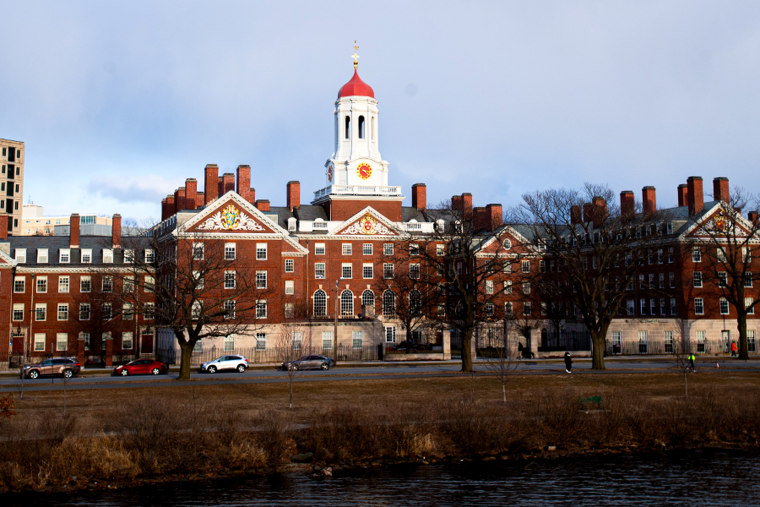
One person eager to see DEI policies abolished is Edward Blum, who has, for years, initiated lawsuits arguing that affirmative action programs are discriminatory. His legal campaign culminated with his 2023 victory before the U.S. Supreme Court in the Harvard case, which outlawed the use of race-conscious admissions policies in higher education.
Blum and his organization, the American Alliance for Equal Rights, have since then pursued new claims against private companies to stop race-based DEI policies.
“The American Alliance for Equal Rights would welcome the United States Department of Justice to voice their support for the colorblind legal covenant that binds us together as a multiracial nation,” Blum said.
Rolling back LGBTQ protections
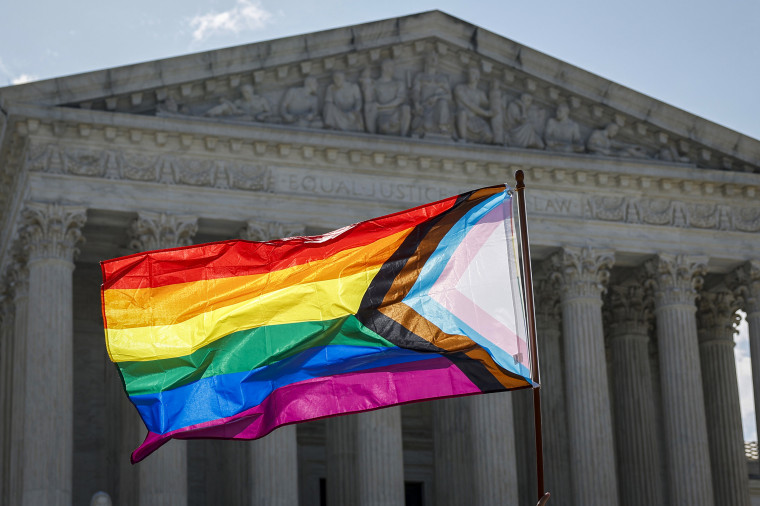
The Justice Department is expected to release new guidance on transgender workers and students, which would affirm the LGBTQ rights reversal Trump initiated last week. He tasked the department last week to “correct” the Biden administration’s “misapplication” of the Supreme Court’s Bostock ruling, which found that federal law prohibits workplace discrimination based on sexual orientation and gender identity.
“The phrase ‘gender’ has been hijacked to mean something that was infused with complete ideology,” said Roger Severino, a vice president at the conservative Heritage Foundation who spent seven years as a career lawyer in the Civil Rights Division. “It has confused matters, and we need clarity, because we’re dealing with real human beings.”