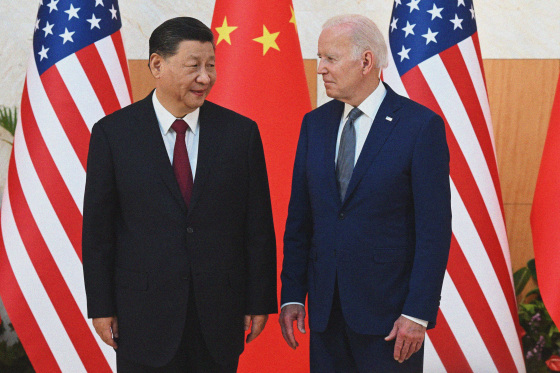
The Biden administration has delayed punitive economic measures against China and played down Beijing’s intensifying intelligence-gathering to avoid jeopardizing its efforts to revive diplomatic talks between the two governments, according to former U.S. officials, congressional aides, Western diplomats and regional experts.
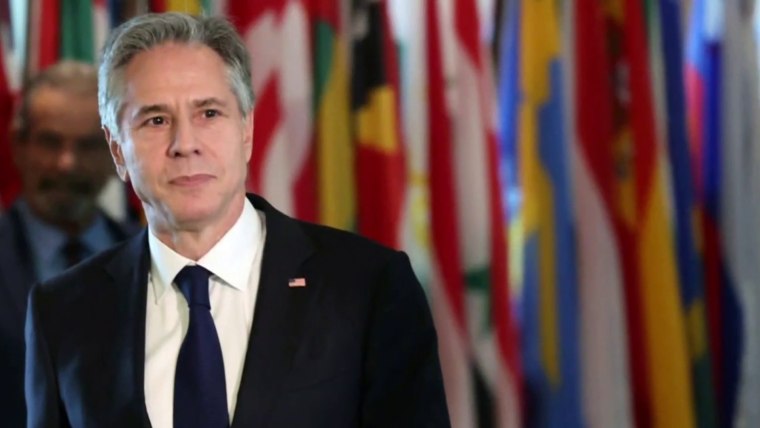
From planned restrictions on investment in China to declassifying intelligence about the origins of the coronavirus, the administration has been “slow walking” certain decisions in recent months as officials have sought to mend relations with Beijing, the sources said. The extensive diplomatic effort culminates this weekend with Secretary of State Antony Blinken’s rescheduled visit to Beijing.
“They want to calm the waters with China,” said a former U.S. official with knowledge of the administration’s deliberations.
Since the U.S. shot down a Chinese balloon in February, the White House has prioritized ensuring that Blinken’s visit goes ahead, as well as other potential trips to Beijing by Cabinet members, including the commerce and treasury secretaries, former officials and congressional aides said.
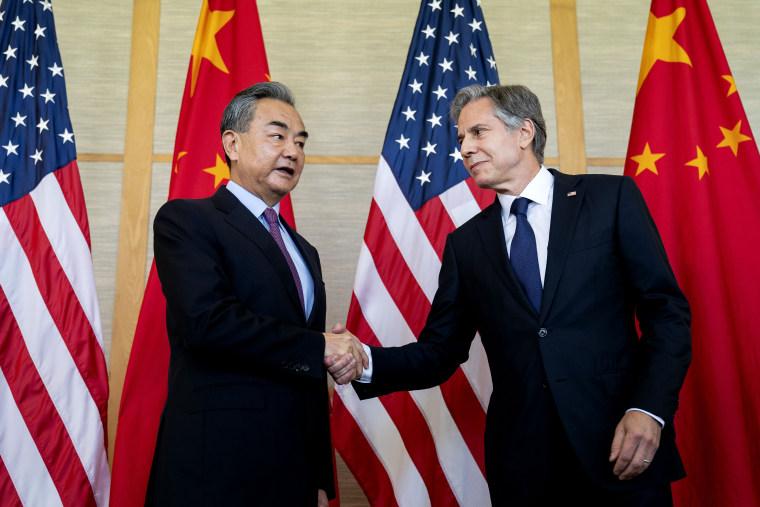
The administration has also appeared to sidestep questions about China’s surveillance efforts targeting the U.S. to keep the door open for high-level talks between Cabinet officials and their Chinese counterparts.
Biden administration officials denied delaying actions against China and that they have continued to impose sanctions on Chinese organizations in recent months as well as operate military aircraft and naval ships in the region.
“In just the last few months, we’ve taken actions against PRC (People’s Republic of China) entities involved in human rights abuses, forced labor, nonproliferation, and supporting Russia’s war in Ukraine,” said Adam Hodge, acting spokesperson for the White House National Security Council.
“We’ve continued to uphold freedom of navigation in the region by flying, sailing, and operating wherever international law allows. We’ll continue to take additional steps in the period ahead in economics, technology, security, and other arenas to advance our interests and values.”
But Administration officials have provided no public update since a Chinese surveillance balloon traversed the U.S. before being downed by an American fighter jet in February. The balloon's flight prompted the administration to call off a planned trip by Blinken to China in February.
A recently completed investigation of the balloon’s debris found that Beijing’s capabilities are far more sophisticated than the U.S. had believed, said a current senior U.S. official and a former senior U.S. official briefed on the findings. “Their capabilities are significant,” one of the officials said, “better than we thought they were.”
The analysis, led by the FBI, entailed reconstructing the balloon, which Biden recently described as “carrying two freight cars’ worth of spying equipment” as it hovered over the U.S. for nearly a week before it was downed on Feb. 4. The administration has also not released additional details about previous Chinese balloon flights.
Asked why the administration has not released more information about the balloon, the administration official said: “I would not anticipate the release of sensitive information regarding the analysis of the balloon debris.”
On Thursday, 19 Republican senators wrote to Biden denouncing what they called the administration’s lack of transparency over the balloon episode.
“While four months have passed since a Chinese surveillance balloon was allowed to fly across the United States, your administration has yet to provide the American people a full accounting of how this spy platform was allowed to traverse across sovereign U.S. territory, what the balloon carried, and what it collected during its mission,” said the senators, who included Roger Wicker, R-Miss., the ranking member on the House Armed Services Committee, and Marco Rubio, R-Fla., the vice chairman of the Senate Intelligence Committee.
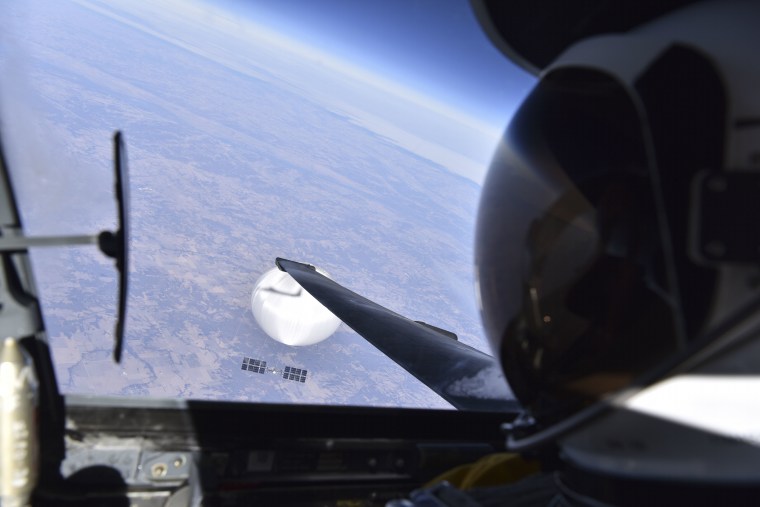
China has said the airship was a civilian balloon used for meteorological research.
The White House last week initially portrayed a Wall Street Journal report about a Chinese electronic surveillance post in Cuba as “inaccurate,” but a few days later it said that Beijing has had an eavesdropping facility in Cuba since 2019 and that China was seeking to expand its intelligence-collection efforts in the region. The administration has declined to elaborate further on the allegations, which Chinese and Cuban officials deny.
The administration is also poised to miss a congressional deadline that expires Sunday to declassify documents related to the origins of Covid-19. Republican lawmakers have accused the White House of dragging its feet on the issue.
They say that the administration’s approach is misguided and that China is not holding back on retaliatory measures against the U.S., including imposing sanctions on the U.S. tech firm Micron Technology.