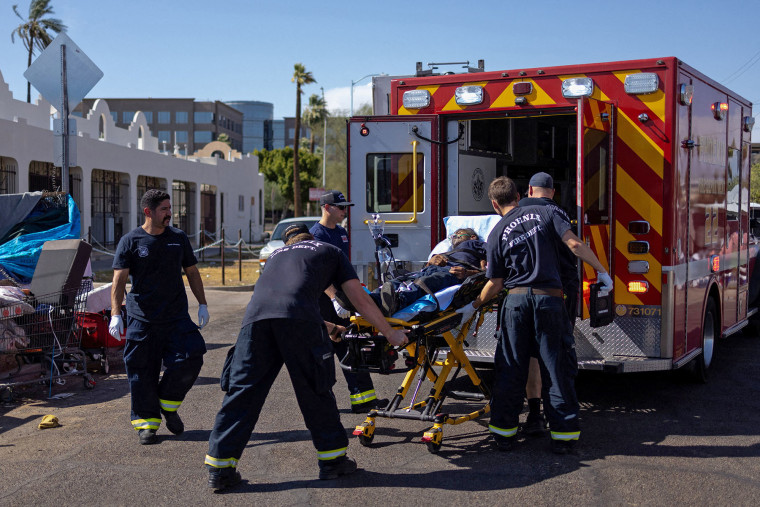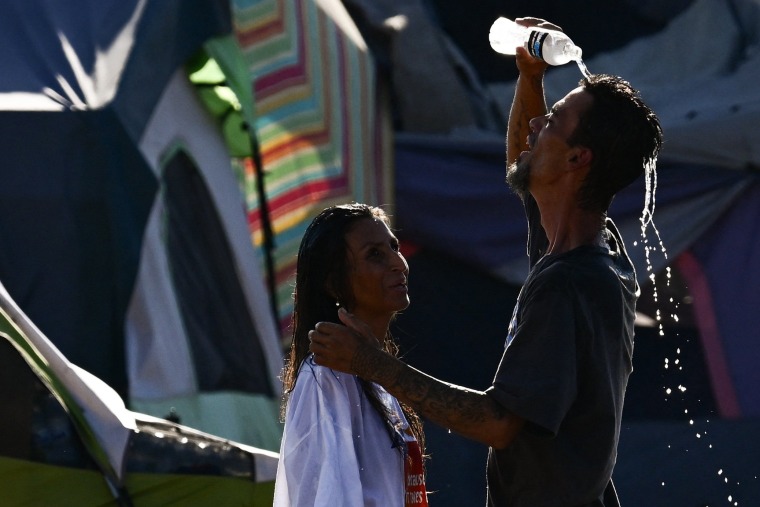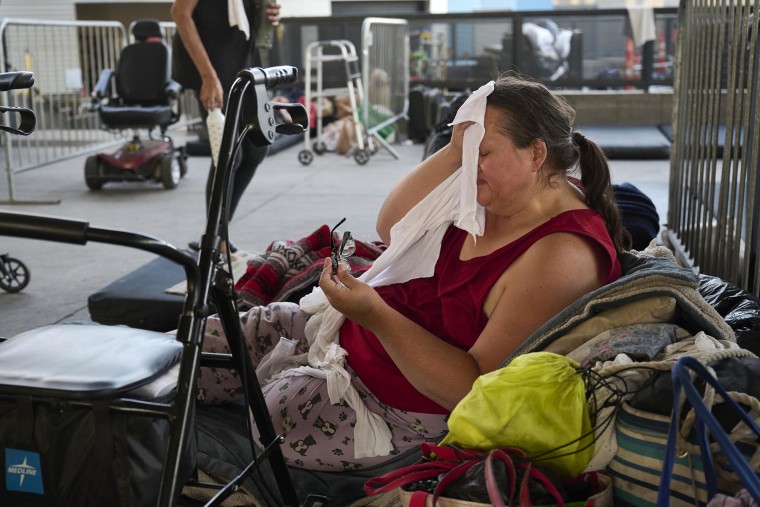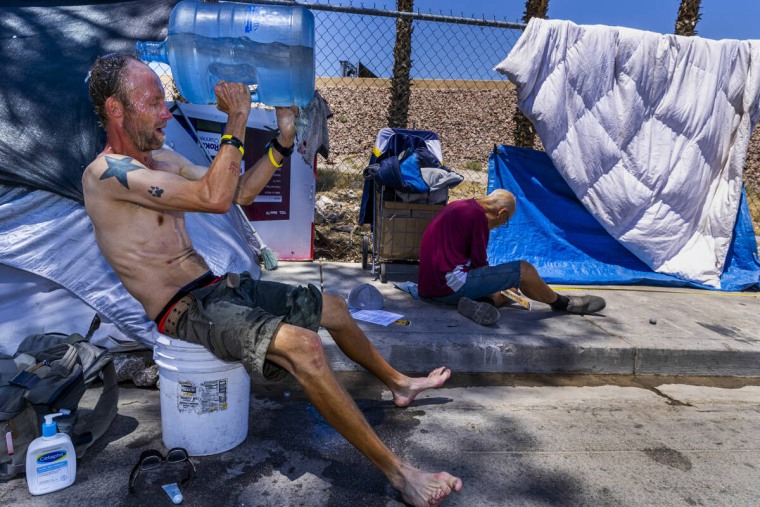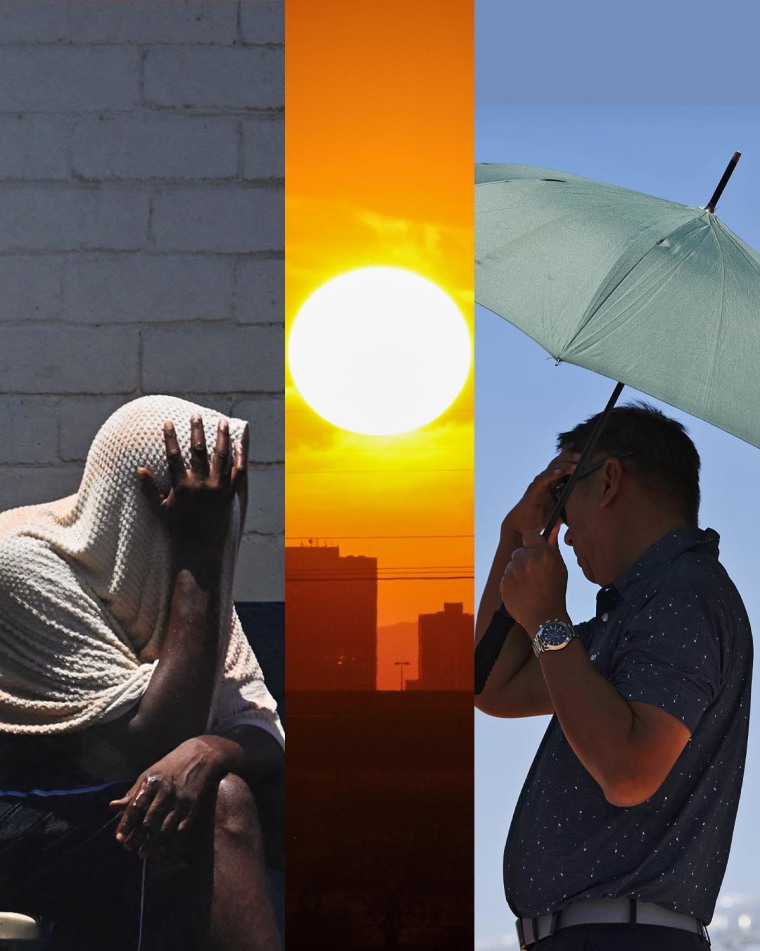
LAS VEGAS — As temperatures began to rise in Phoenix this spring, Dr. Jeffrey Johnston braced for the many hundreds of deaths that have become a grim summer trend.
Johnston, the chief medical examiner for Maricopa County, Arizona, has seen extreme heat kill more and more people over the last decade: Heat-related fatalities there jumped from several dozen in 2014 to 645 in 2023.
“The surges were so intense and long, so we really did approach it like a mass casualty event,” he said of recent summers.
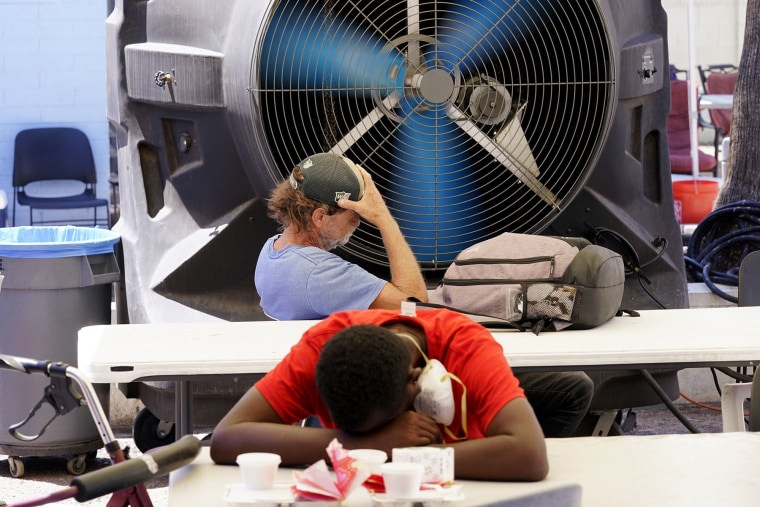
But Maricopa County — the most populous county in the desert Southwest — has invested heavily in heat preparedness planning and mitigation. Multiple cooling centers in Phoenix now stay open 24/7. The county boosted public messaging about heat safety and hired a full-time heat relief coordinator.
As a result, it recorded fewer heat deaths last year than the year before, despite record-breaking heat — its first such dip in a decade. Now that summer is over, officials are evaluating this year’s progress, and preliminary data indicates the downward trend will continue: Maricopa County has confirmed 185 heat deaths so far, significantly less than the 284 at the same time last year.
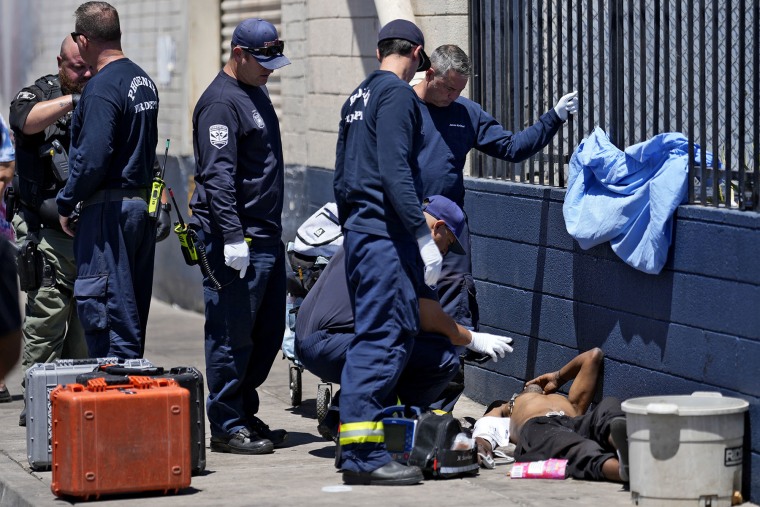
A different story has played out in Clark County, Nevada, the region’s second-most populous, where Las Vegas is located. Deaths from heat here more than tripled in just three years, with a record 513 people killed in 2024. This year’s death toll is still preliminary, but heat fatalities will likely number in the hundreds.
Ariel Choinard, a scientist at the Desert Research Institute in Las Vegas, said last summer’s brutal temperatures were a major wake-up call.
“There was something about seeing 120 degrees in Las Vegas that made people be like, ‘Oh, my gosh, wait, this is really serious,’” she said.
Choinard is at the forefront of local efforts to turn Clark County’s heat deaths around and has been following the progress made in Maricopa County. She knows there’s catching up to do.
“They started the work around heat earlier than we have in this region, so in many ways they’re ahead of us,” she said.
Heat kills more people in the U.S. each year than any other type of weather event, including hurricanes, floods and tornadoes, according to the National Weather Service. As climate change increases the frequency and intensity of heat waves, these two counties in one of the fastest-warming parts of the U.S. offer a cautionary tale about what it takes to save lives in the face of this growing threat — and the severe human toll of inaction.
'Every one of these deaths is preventable'
Heat tends to kill unequally. People who lack access to air conditioning are particularly vulnerable — those experiencing homelessness, as well as residents of low-income neighborhoods and mobile homes. Workers who labor outdoors, people with pre-existing medical conditions and the elderly are also at higher risk.
In Maricopa County last year, homeless individuals made up 49% of heat-related deaths, and 57% involved substance use like drugs or alcohol. So efforts to save people from dying in extreme temperatures must focus on those vulnerable populations.
Maricopa County tried to do that in 2023 by expanding its network of cooling centers and hydration stations, but then came a record 31 straight days at or above 110 degrees. Heat deaths spiked.