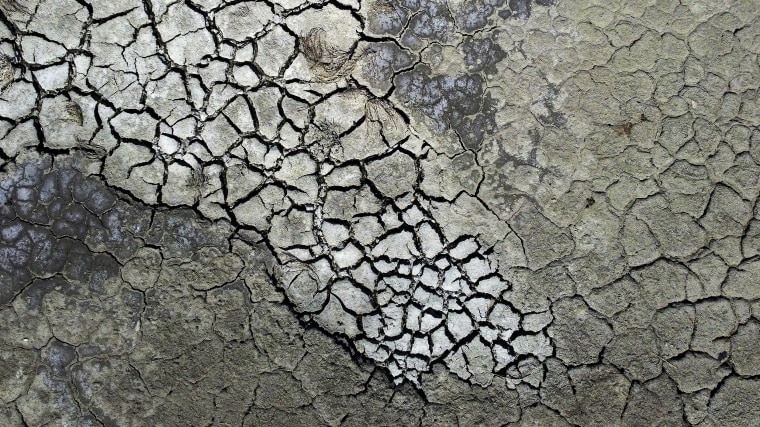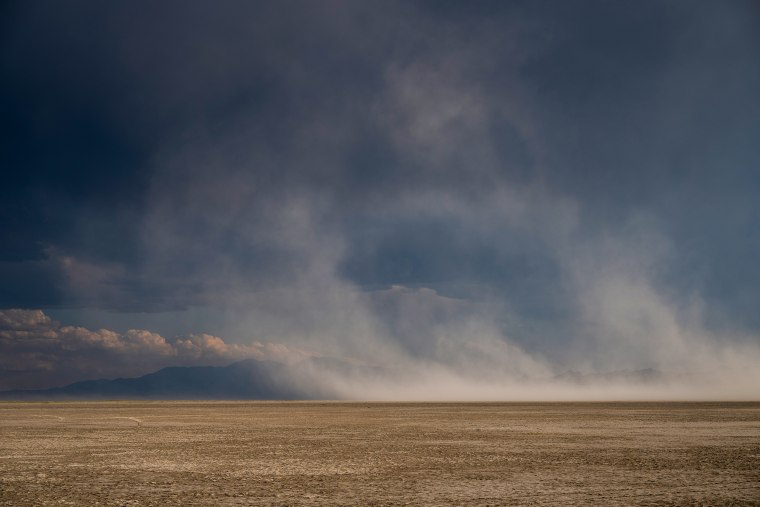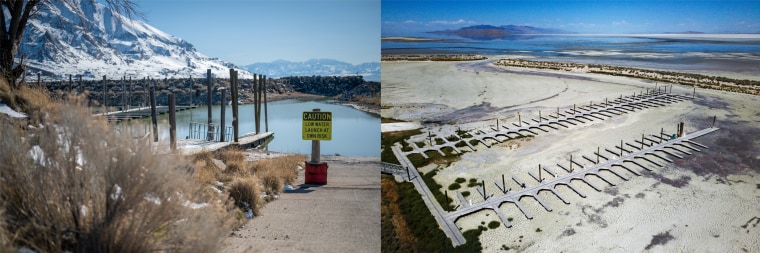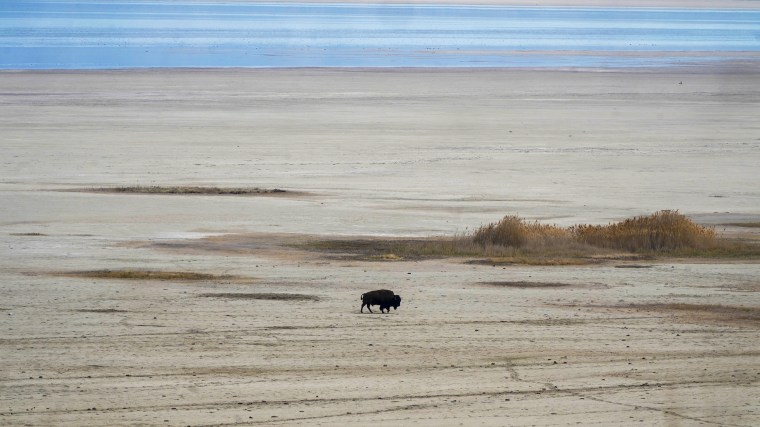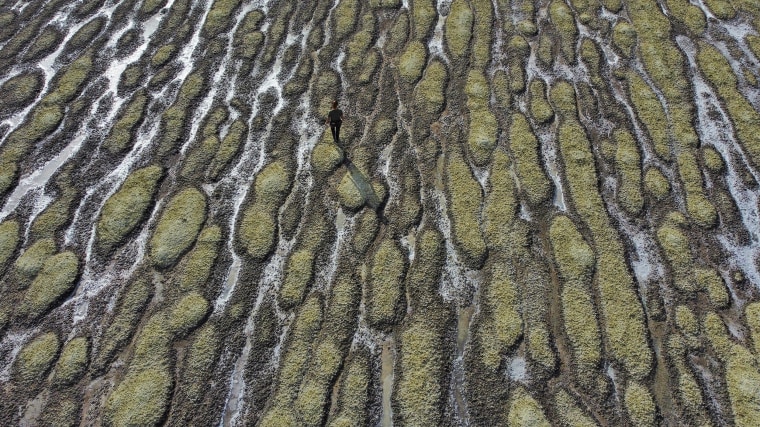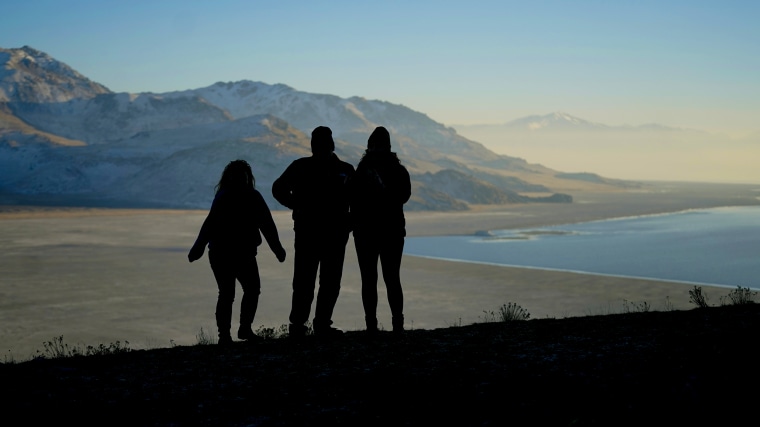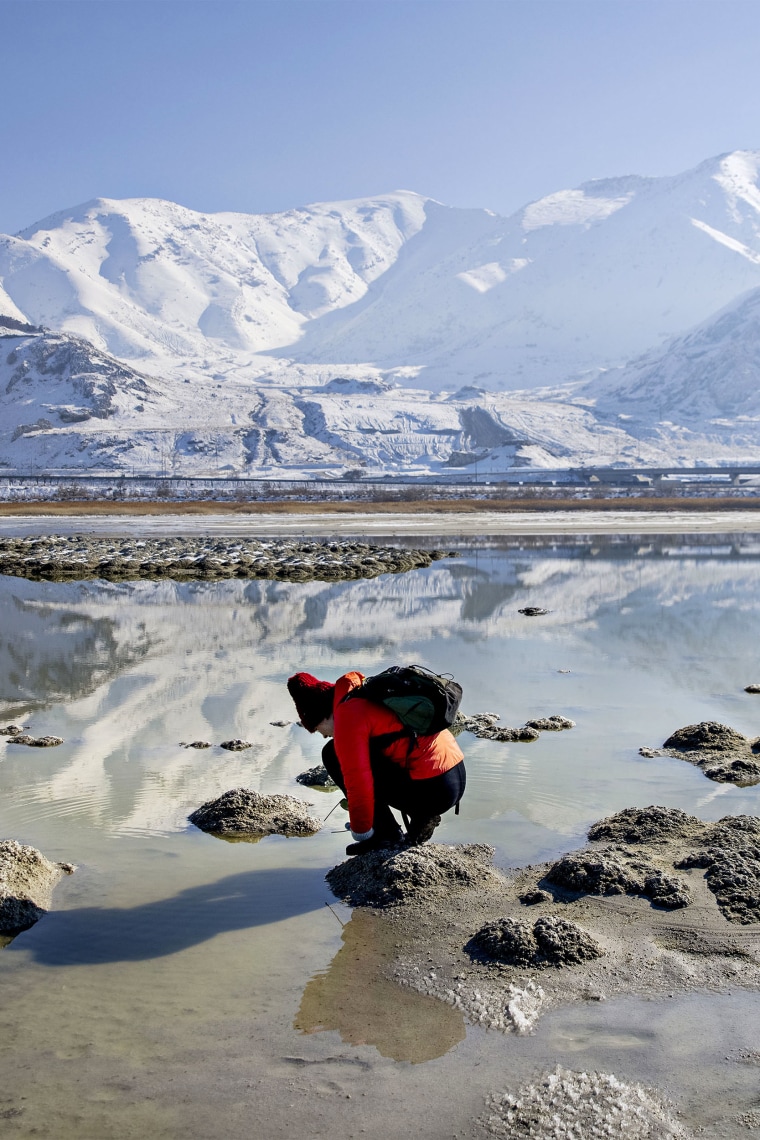
The Great Salt Lake has been shriveling up for decades. At its record low about four years ago, the exposed lake bed became a source of toxic dust, with scientists warning of imminent ecological collapse. A Utah official called the lake an “environmental nuclear bomb.”
But a monumental, perhaps impossible, plan to save it has gained significant traction in recent months. The goal: refill the Great Salt Lake in just eight years.
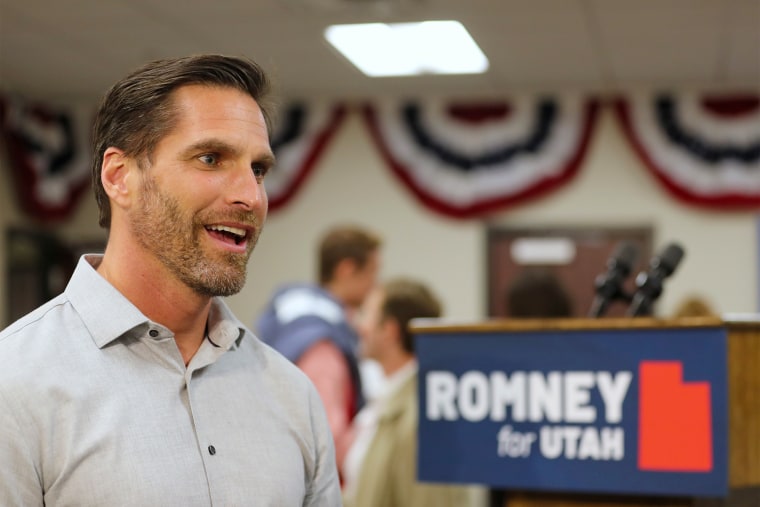
Once a niche cause for environmental advocacy groups, the task of replenishing the lake has won support from many strange bedfellows. Republican state lawmakers in Utah have been working in close partnership with environmental organizations on restoration plans. Those efforts were already underway when Utah Gov. Spencer Cox announced last fall that the state would refill the Great Salt Lake by 2034, when Salt Lake City plans to host the Olympic Games. Josh Romney — son of former Sen. Mitt Romney — launched a $100 million philanthropic campaign in tandem with Cox’s announcement.
Last week, another unlikely ally joined the cause: “MAKE ‘THE LAKE’ GREAT AGAIN!” President Donald Trump, no friend of the Romney family, said on social media.
“Everybody’s on board,” said Tim Hawkes, a former Utah state representative who is the interim director of Romney’s fundraising project. “You’ve got the president of the United States tweeting about it. So that’s a lot of momentum.”
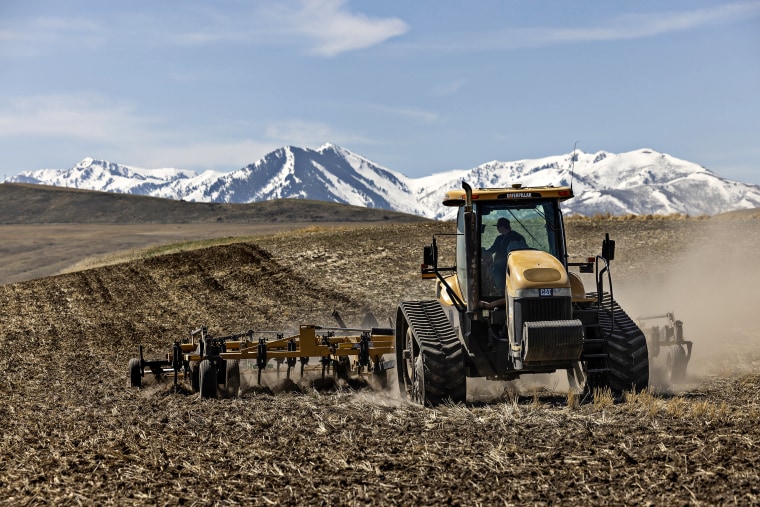
The undertaking, however, is immense and extremely expensive. Refilling the lake would require residents and business interests, from agriculture to mining, to use significantly less water so that more can flow into the lake and stay put. People are a primary reason for the Great Salt Lake’s decline: Its water has been overallocated, meaning users collectively have the right to more water than what flows into the lake each year.