In May 2016, following a freeski event in Mount Hood, Oregon, Stevenson and a friend, John Michael Fabrizi, were driving nearly 500 miles home to Utah. Fabrizi had broken his leg at the event, forcing Stevenson to drive the entirety of the trip. Hours into the excursion, exhausted and eyes growing heavy, he considered stopping at a hotel but decided to power through with their destination approaching.
Then his eyes closed.
His truck veered off the road in Idaho, flipping eight times with the roof caving in. Fabrizi, in the passenger seat, escaped with minor injuries. Stevenson's skull was shattered in more than 30 places and he suffered brain trauma. He was placed in a medically induced coma for five days.
“I was very close to bleeding out,” Stevenson said. “I’m in the 1% of people with that type of skull fracture and no permanent brain damage.”
He was lucky, but his road to recovery was long. The 6-foot-1 Stevenson said he lost all of his muscle mass from the two weeks he was in the hospital, dropping to 139 pounds. His neck muscles atrophied and, for months, he couldn’t sit at a table and eat without it hurting.
Stevenson’s brain injury also led to a sharp decline in memory and decision-making, he said. He developed vertigo and often got dizzy when he lay down.
“I went from being the most active kid doing all these different sports to then just bedridden for three months,” he said. “My life was done. The life that I loved living so much felt like it was gone.”
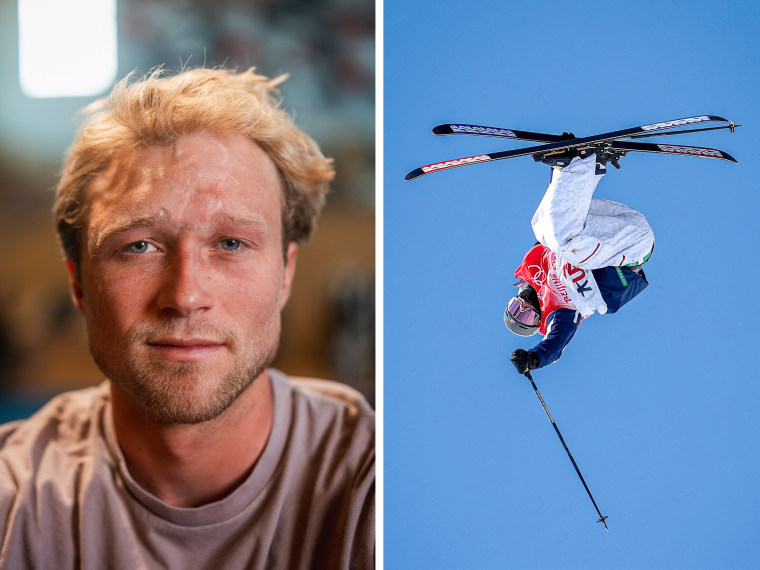
The mirror was also a constant reminder of how much his life changed. He said he would wake up each morning, see a huge scar across his forehead and scream out loud. He said he became heavily depressed and “would look in the mirror and wish I had died in the crash.”