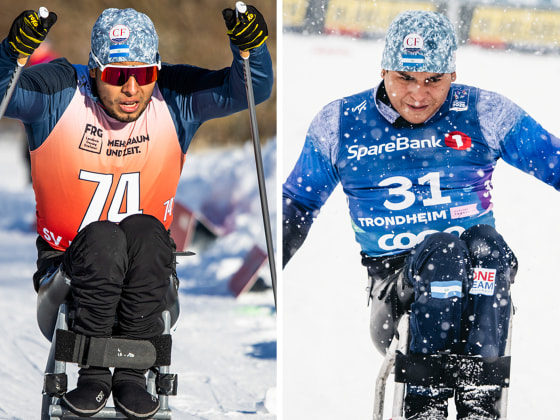
David Chávez and Jonathan Arias grew up in different parts of crime-ridden El Salvador in the 2010s, but they suffered the same brutal fate.
At age 14, Arias was caught in the crossfire of a shootout between rival gangs, leaving him paralyzed from the waist down. Chávez was also 14 when he was shot and paralyzed during a robbery by gang members.
El Salvador during this time offered few opportunities for young people, even for those who had everything going for them. For two teens unable to use their legs, the future was especially bleak.
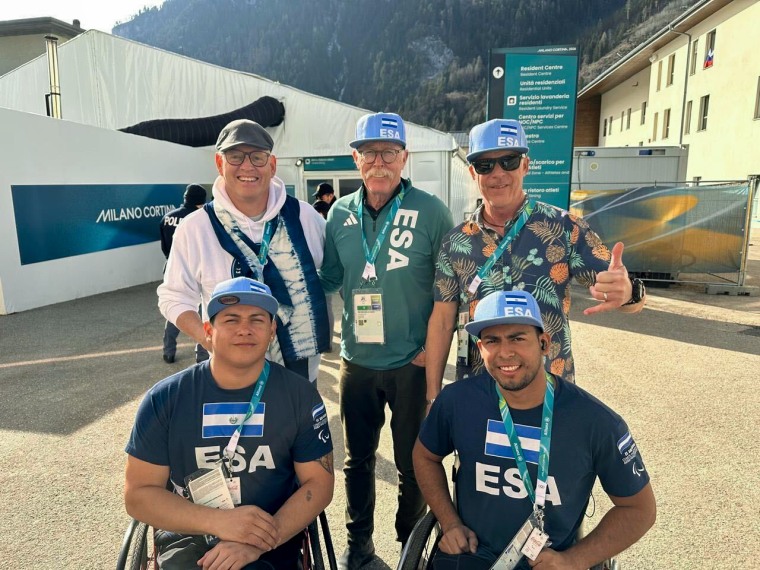
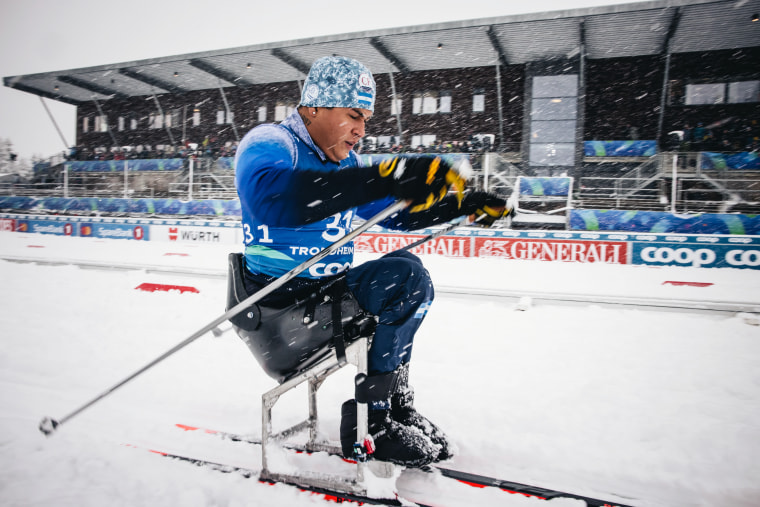
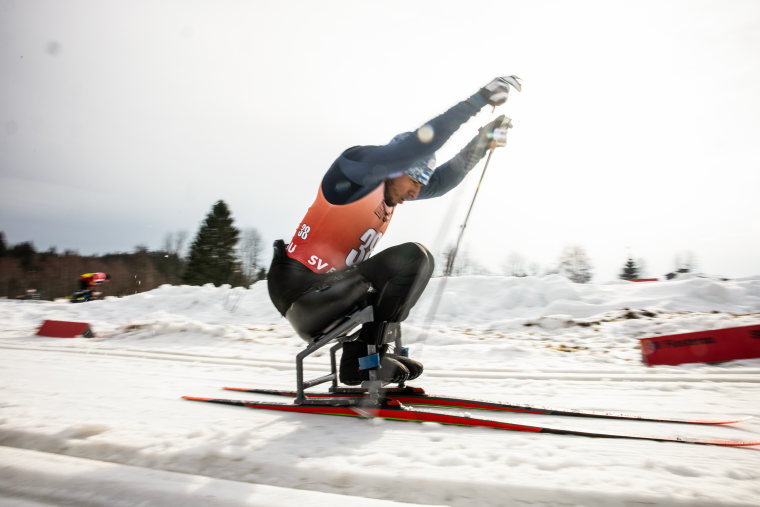
Fast forward to 2026. El Salvador is competing in the Winter Paralympics for the first time in history, and it’s Chávez, 27, and Arias, 28, who are blazing the trail — on two skis. They have qualified for the Para cross-country skiing event despite hailing from a nation that never sees snow.
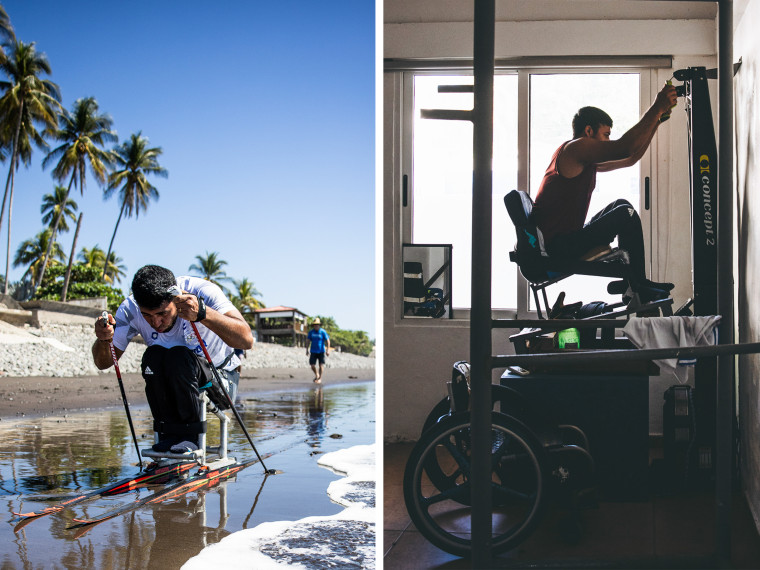
How they got here is an extraordinary story of human resiliency and determination, of two men dedicating themselves to a completely unfamiliar sport and relying on innovative training to get them to the top. It wouldn’t have been possible were it not for a committed band of supporters, including two American sports figures, who rallied around them and built a training center for disabled athletes in a coastal town once infested with violence.
“The story behind these athletes, coming from the aftermath of gang violence — it’s an inspiration by itself,” said Salvador “Chacha” Salguero, president of the El Salvador Snow and Ice Federation. “And now they are making history.”
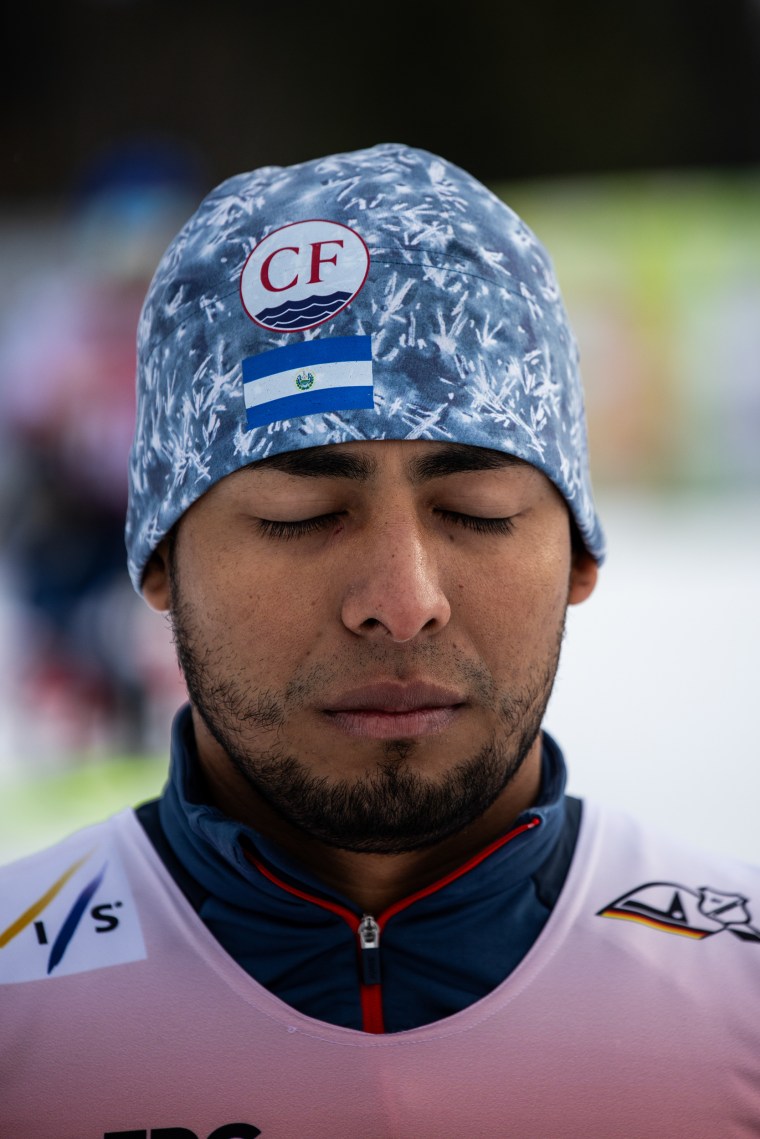
The incident that upended Chávez’s life took place in the capital city of San Salvador on a date seared into his brain: Jan. 7, 2015.
Chávez was helping his aunt move furniture into her home when, he said, members of Barrio 18 robbed them at gunpoint and demanded that he join the gang. He refused and started to walk away, but at least one of the gang members opened fire, striking him in the spine.
“I couldn’t get up,” he said. “My legs just stopped moving.”
He spent 22 days in the hospital before returning home, unable to see a future worth living.
”I couldn’t accept myself,” Chávez said. “I cried at anything I saw.”
But a stint in rehab opened his eyes to how he would be able to function using only his upper body. He went on to join a youth wheelchair basketball team and met a player who became an instant friend: Jonathan Arias.
Arias had been shot in the beach town of La Libertad in 2011. It was a time when El Salvador’s two main gangs, Barrio18 and MS-13, ruled the streets and shootouts were common.
“I was there at the worst possible moment,” Arias said.
He spent nearly a month in the hospital and then a year recovering at home, rarely venturing outside. Grim thoughts consumed him.
“I’m not going to be able to work … I’m not going to be able to achieve anything … My life is going to be spent bedridden forever until God takes me.”
The possibility of playing sports, an idea presented to him during rehab, provided a glimmer of hope.
Arias moved to San Salvador and played on the basketball team with Chávez for a few years.