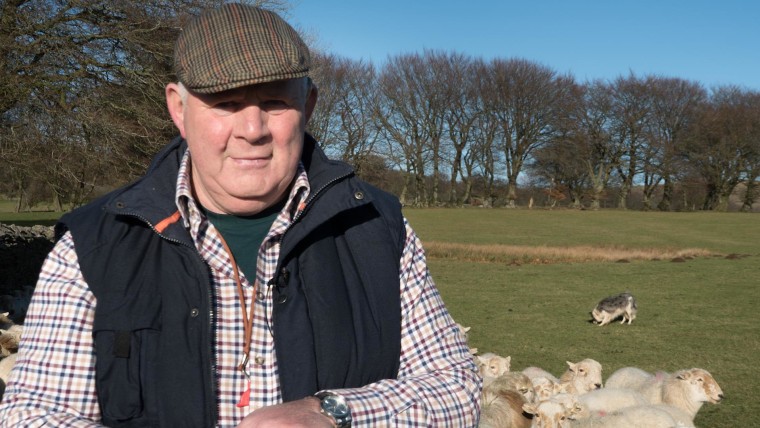
MANMOEL, Wales — On a frosty hillside, William Jenkins blows his high-pitched whistle and barks instructions at two dogs as they round up a flock of unruly sheep.
His family have worked the land here since 1911, and their rough-hewn farmhouse dates to the 1640s. Like his father and grandfather before him, Jenkins, 69, has faced almost every challenge, from harsh Welsh winters to constantly changing prices for his livestock.
But nothing has worried him quite like the U.K.'s impending exit from the European Union — the seemingly unsolvable riddle that is Brexit.
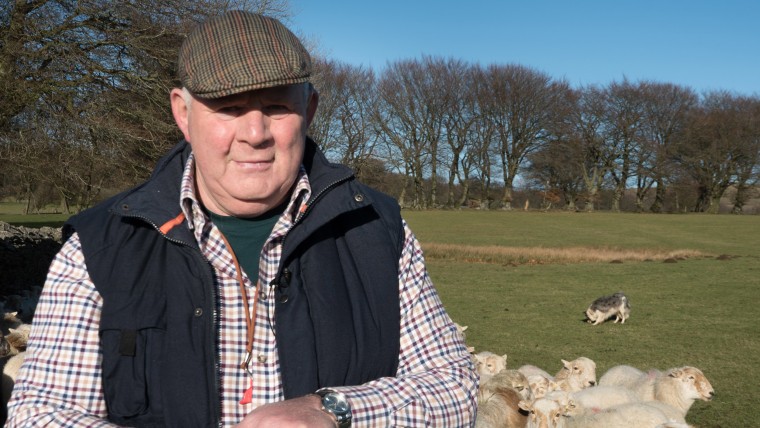
"I've got to be honest, politicians of all colors are playing political games with our future and it frightens me what is going to happen to us," he says, squinting into the low, wintry sun.
According to Jenkins, the E.U. has given farmers "stability and security."
More than two and a half years after Brits voted in a referendum to leave the E.U., and with only weeks to go until the divorce is due to come through, the country's politicians still haven't agreed how to make this work. NBC News embarked on a road trip to speak with regular people around the country about their hopes and fears for the future.
If they can't agree on something by March 29, Britain will face a "no-deal" Brexit, risking shortages of food and medicine, chaos at the borders and conflict in Northern Ireland.
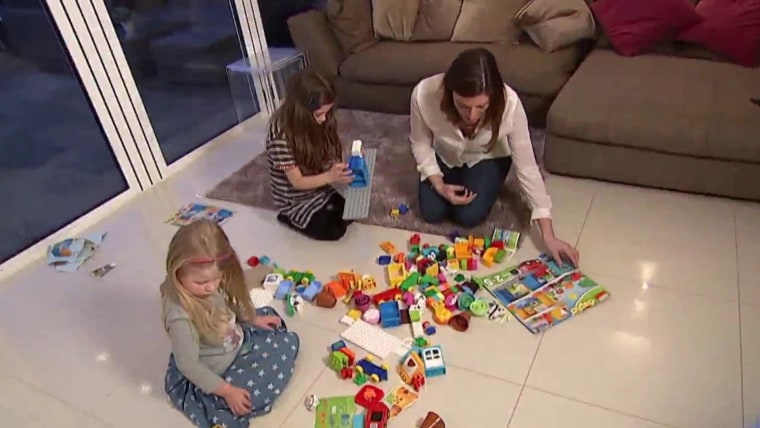
With much of the debate centered around Parliament, we wanted to escape the "Westminster bubble" — the British version of the so-called Washington Beltway.
We traveled 1,200 miles by car, train and airplane, visiting both pro-E.U. and "leave" heartlands in each of the U.K.'s four nations: England, Wales, Scotland and Northern Ireland.
We met Jenkins, the Welsh sheep farmer, while visiting Blaenau Gwent, the county in Wales with the highest percentage of voters who supported quitting the 28-country bloc in the 2016 referendum.
Related

As one of the poorest parts of Europe, Wales receives hundreds of millions of dollars each year in E.U. funding. And yet most people here voted to leave.
Many complained that despite the influx of cash, it was being spent on new highways and urban face-lifts, rather than things that might immediately improve their lives. This once mighty industrial region is blighted by unemployment and rust-belt isolation.
As a pro-E.U. remainer, Jenkins goes against the grain of his community and says he's "baffled" by the vote.
On another leg of the trip, we found his polar opposite in the Northern Irish coastal town of Ballycastle.
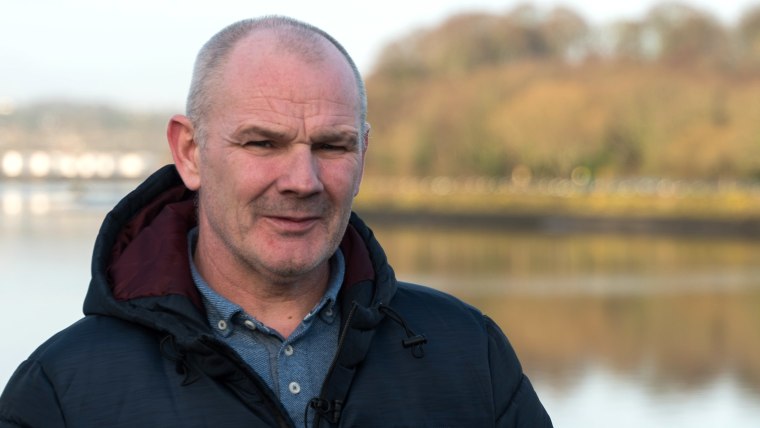
"Westminster has lost touch with the people and they have lost touch with democracy," said dock worker David Henry, 59, speaking about the lawmakers at the Parliament in London.
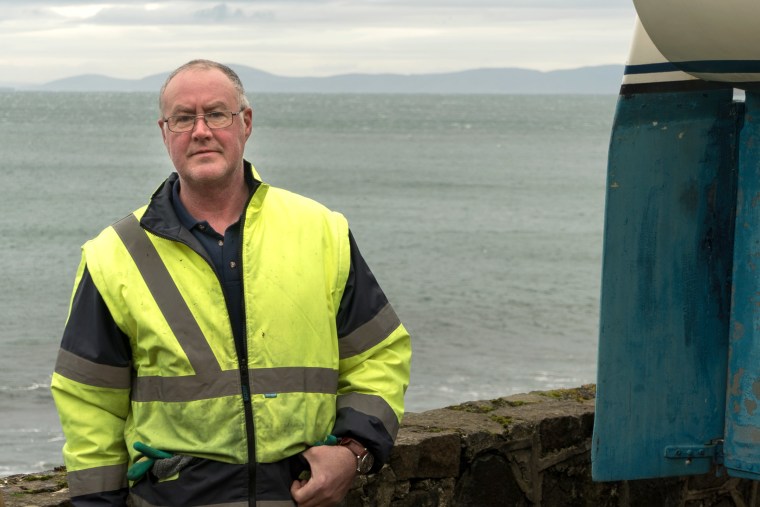
"We voted leave, overwhelmingly, to get out of Europe — and we want out," he added, referring to the 17.4 million people across the U.K. — or 52 percent of voters — who supported departing.
Although the majority of Northern Ireland voters — 55.8 percent — wanted to stay in the E.U., Henry lives in North Antrim, the area with the region's strongest leave vote. Like many, his main concern is immigration — "the flood of cheap, foreign labor coming into this country."
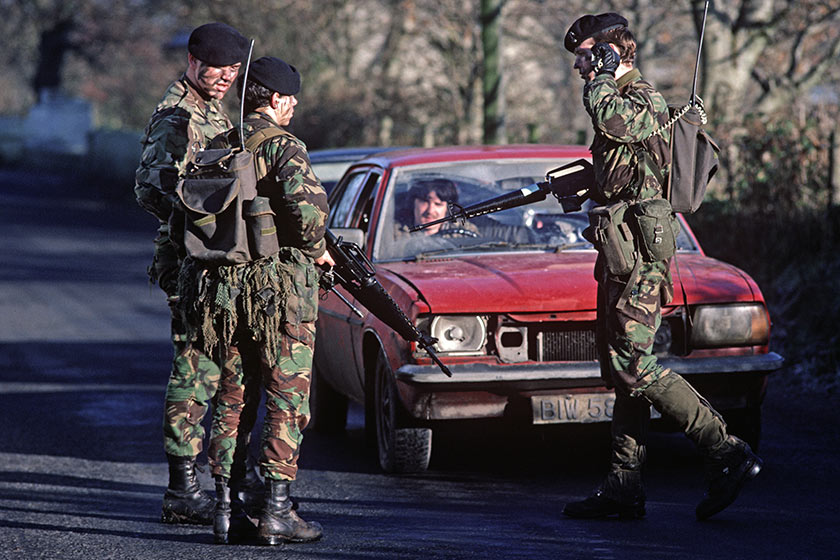
Northern Ireland has become a major sticking point for Brexit. It was plagued for 30 years by sectarian strife called "the Troubles." A 1998 peace deal rested on an open border between Northern Ireland and the Irish Republic. Some worry Brexit could mean the return of a "hard border," and with it violence.