LAS VEGAS — A judge has halted the execution of a twice-convicted killer who had been scheduled to be put to death in Nevada Wednesday night with an untried three-drug lethal injection.
Clark County District Court Judge Elizabeth Gonzalez filed a temporary injunction against the use of midazolam after a final-hour lawsuit by the pharmaceutical company that produces the drug, New Jersey-based Alvogen.
Drug companies have resisted the use of their products in executions for 10 years, citing both legal and ethical concerns. However, the legal challenge filed Tuesday in Nevada is only the second in the U.S, said Robert Dunham, executive director of the Death Penalty Information Center in Washington, D.C.
The previous challenge filed last year by a different company in Arkansas was unsuccessful in halting that execution.
A Nevada prisons spokeswoman declined to comment.
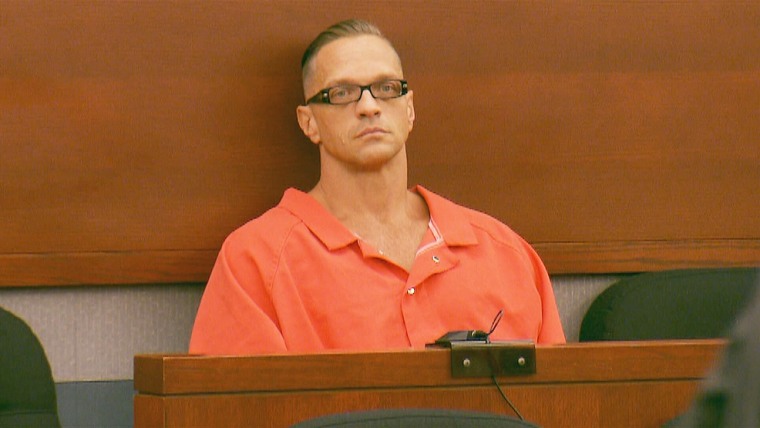
Alvogen says it doesn't want its product used in "botched" executions. It said in court documents that Nevada prison officials illegally obtained the sedative midazolam and demanded that it be returned and not used in Dozier's execution.
"Midazolam is not approved for use in such an application," the document said, adding uses of midazolam in other states "have been extremely controversial and have led to widespread concern that prisoners have been exposed to cruel and unusual treatment."
Midazolam was substituted in May for expired Nevada prison stocks of diazepam, a similar sedative commonly known as Valium. Nevada's first-of-its-kind execution protocol also calls for the powerful synthetic opioid fentanyl to slow Dozier's breathing and the muscle paralytic cisatracurium to prevent movement and stop his breathing.
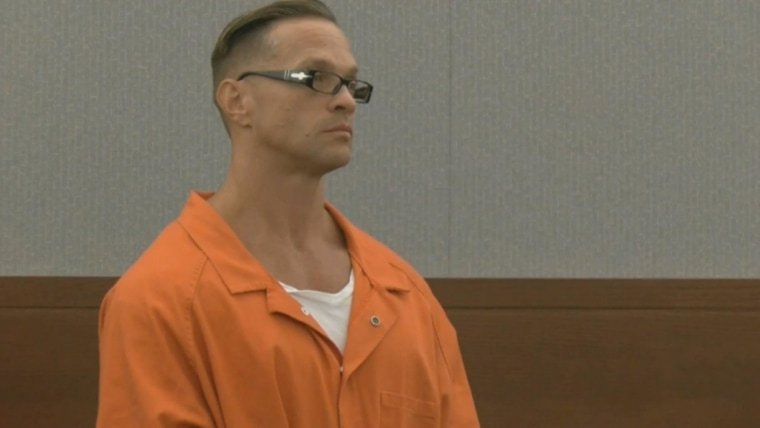
Nevada refused Pfizer's demand last year to return the company's diazepam and fentanyl, which has been blamed for overdoses nationwide but has not been used in an execution.
In the legal challenge in Arkansas last year, McKesson Corp. said it wanted nothing to do with executions and accused the state of obtaining vecuronium bromide, a drug used to stop inmates' lungs, under false pretenses.
The Arkansas Supreme Court ruled against the company and allowed that execution to go forward, but legal questions about whether pharmaceutical companies can block use of their drugs in the death penalty haven't been resolved, Dunham said.
Dozier, who attempted suicide in the past, has said he prefers death to life behind bars.
"I've been very clear about my desire to be executed ... even if suffering is inevitable," Dozier said in a handwritten note to a judge who postponed his execution in November over concerns the untried drug regimen could leave him suffocating, conscious and unable to move.
Dozier repeated his desire to die during recent interviews with the Reno Gazette Journal and Las Vegas Review-Journal.
"Life in prison isn't a life," the 47-year-old told the Review-Journal . He has not responded to messages through his lawyers to speak with The Associated Press.
Dozier, son of a federal water engineer, grew up in Boulder City, Nevada, and attended high school in Phoenix. He is an honorably discharged Army veteran; a divorced father who became an emergency medical technician during his then-wife's high-risk pregnancy; a pastels painter; a landscaper; and a methamphetamine user, maker and dealer.
He was close to his grandfather, who killed himself when Dozier was 5. He told a clinical psychologist who testified at his trial that he was sexually abused by a teenage male neighbor from ages 5 to 7.
The psychologist diagnosed Dozier with anti-social personality disorder with narcissistic traits.
