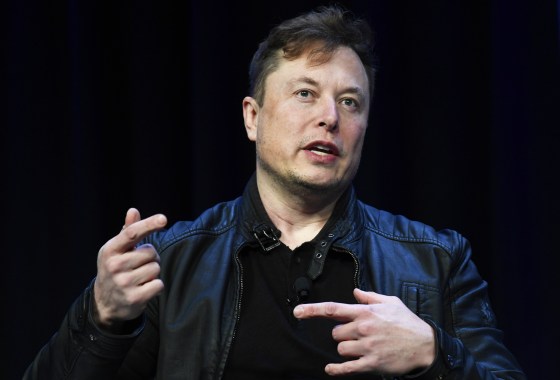
Critics of Elon Musk’s Twitter takeover say any plan to charge users for identity verification could make information on the site less trustworthy and more vulnerable to manipulation — devaluing the company.
Currently, notable users can receive the verification for free provided they meet a series of qualifications.
Musk appeared to confirm rumors Tuesday about a plan to charge users to guarantee the authenticity of their accounts.
“Twitter’s current lords & peasants system for who has or doesn’t have a blue checkmark is bulls***. Power to the people! Blue for $8/month.” Musk tweeted, adding in a thread, “This will also give Twitter a revenue stream to reward content creators.”
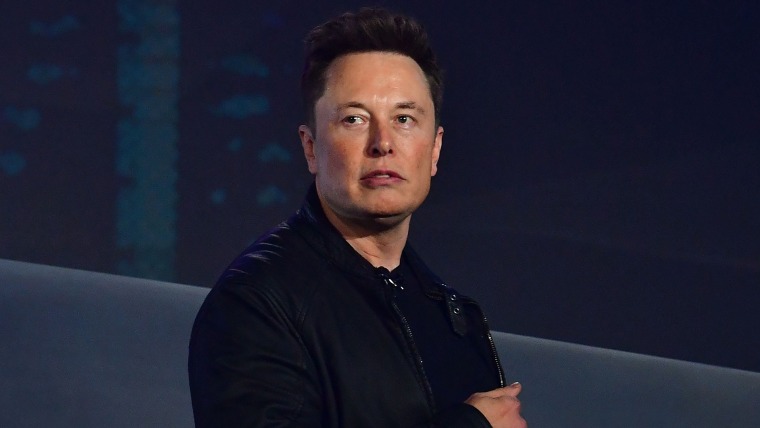
Earlier Tuesday, Musk responded to a post by author Stephen King, who threatened to exit the service if he were charged a reported $20 monthly fee for his blue check. "If that gets instituted, I’m gone like Enron," King wrote.
"We need to pay the bills somehow! Twitter cannot rely entirely on advertisers," Musk replied. "How about $8?"
Tech investor Jason Calacanis, who at one point was helping Musk raise money for the purchase and jokes in his Twitter bio that he is the company's chief meme officer, has argued expanding verification will improve the site.
"Having many more people verified on Twitter, while removing the bot armies, is the quickest path to making the platform safer & more usable for everyone," Calacanis tweeted Monday.
"These are not the *only* ways to make Twitter safer & more usable, but they will have a quick and dramatic impact," he added.
Jeff Jarvis, a prolific Twitter user who teaches at CUNY's Graduate School of Journalism and studies how information travels in the digital age, worries that such a plan could backfire. He was part of a chorus of voices that said the idea was a bad one — for both users and the company.
“Every prankster, marketer and scuzzy propagandist will buy a blue checkmark and therefore completely devalue the blue checkmark. And Musk will no longer have anything to sell,” Jarvis told NBC News, referring to the potential for the check to turn into a pay-for-play option.
About a quarter of U.S. adults use Twitter, according to a recent study by the Pew Research Center, and its influence is perhaps even larger: Conversation on the service forms the backdrop of the political and cultural debates that dominate the news cycle every day. Much of its value comes from its newsworthiness — the statements made by companies, celebrities, elected officials and the journalists who cover them. And that value relies in large part on the system of verification the company has built.
James Ball, global editor of The Bureau of Investigative Journalism, also argued against the paid verification plan. In a piece Monday for Britain's New Statesman, he recalled being impersonated by a fraudulent Twitter account before he was verified.
"Without a free way for notable accounts to confirm they were real, it would be easier for fake accounts posing as banks, government agencies or notable people to fool innocent users and spread fake news,” he wrote, adding that the absence of limited and free verification, would turn Twitter into “a hacker’s paradise."
Others said they would welcome the change.
“I think this is a good idea, and would pay,” tweeted Scott Galloway, a New York University professor of marketing and an active user of the site.
“I would if ALL money goes to charity,” musician John Michie tweeted.
Some said they would consider a subscription to use Twitter but that it didn’t make sense to do so specifically for verification. On Tuesday, Musk said the new system would give those who paid "priority in replies, mentions & search," fewer ads and the ability to post long video.
