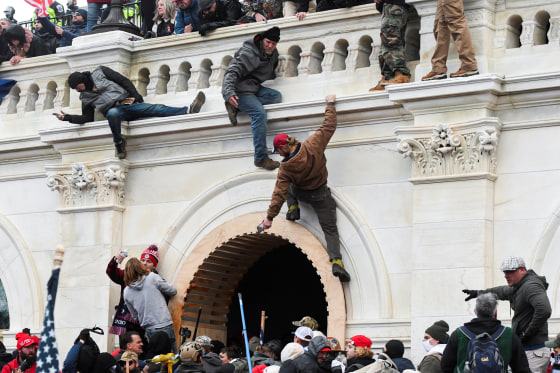
As Samantha watched pictures and livestreams of the Jan. 6 Capitol attack on her smartphone, she realized something: She knew these people.
She knew their faces from parties and from conversations where they’d shared personal details about their lives. Some, she believed, were brought more fully into their extreme beliefs because of work she did as a recruiter for Identity Europa, an organization that the Anti-Defamation League calls a “white supremacist group” and says was responsible for nearly half of the white supremacist propaganda distributed on college and university campuses in 2017 and part of 2016.
“It [was] like a mini existential crisis all at once, of just kind of: ‘Who am I? Who was I? Who are these people? Do I play any role in their lives?’” said Samantha, who asked that her last name be withheld to protect her and her family from potential violence.
As the day unfolded, she started messaging and calling two other people, both of whom had also been caught up in the far right. All three were horrified by what they were seeing, and all three decided that day to do something about it.
Out of that discussion they started a project called Future Freedom. Part media venture, part virtual support group, the group’s goal is to provide an off-ramp for far-right extremists who were radicalized online in the same ways they themselves once were.
“Unless you go through it, you're not going to understand it,” Samantha said. “And like even older generations of this stuff, no one is being approached in alleyways anymore.”
Co-founders Caolan Robertson and Caleb Cain know the path to radicalization better than most.
Robertson spent years producing YouTube videos warning of “the nightmare of mass immigration” in Europe and “a genocide against the white population” in South Africa — videos that received millions of views and helped propel far-right figures like Lauren Southern, Tommy Robinson and Infowars host Alex Jones into notoriety.
He now believes that work, which he says contained “racist tropes,” influenced many of the people who were inside the Capitol on Jan 6.
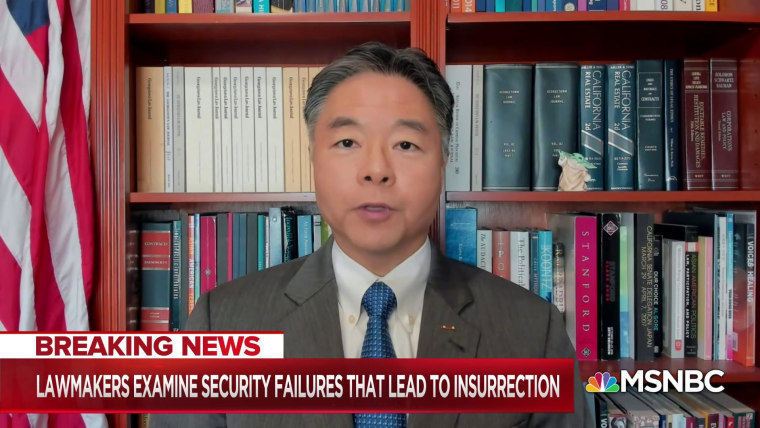
“A lot of it was genuinely fake, and a lot of it was genuinely misinformation. A lot of it was funded by nefarious groups that don't care about you,” Robertson said. “And as someone that made that content, I'm telling you directly that a lot of it was not correct, was lies.”
Six years ago, Cain was one of the people watching those videos as part of what he now calls an “alt-right rabbit hole” — one he fell into after moving back in with his grandfather and searching for self-help advice.
“My life was spiritually devoid. My life felt very empty,” Cain said. “And when I would have that phone in my pocket and just be able to instantly tap into this online world, which was engaging, and I'd turn on Caolan's videos, and it felt like this whole world where we were saving Western civilization.”
Now, all three hope to share their stories of radicalization and redemption — ones they believe are unique to the internet era and the political environment surrounding Donald Trump’s election as president in 2016 — to help people escape.
The group is hesitant to share exact numbers but said it has already spoken with people across the U.S.and the world who were previously “disconnected from reality” through online echo chambers.
The three co-founders also stress they’re not a formal deradicalization organization. Groups like Life After Hate, which helps people leave far-right extremist groups and reintegrate into society, have received government funding as part of a broader effort to disrupt domestic terrorism.
Instead, Future Freedom hopes to provide an intermediate step, sharing their stories via their website and allowing people to message or email them for help, then referring them to deradicalization groups when needed. They hope that by being present in more online spaces — platforms like YouTube, Twitter and Facebook — they can catch people in the same online world where they were radicalized in the first place.
“When you're in this movement, because so much of it happens online, it's completely accessible to you,” Samantha said. “Whether you're at the post office, you're at work, anywhere that you are, you just put your phone on, and there are hundreds of notifications, all of this media. You are always living in this world.”
National organizations and federal leadership are focused on the problem as well. The Center for Strategic and International Studies, a Washington think tank, found that “right-wing extremists perpetrated two thirds of the attacks and plots in the United States in 2019” and over 90 percent of them in the first five months of 2020.
