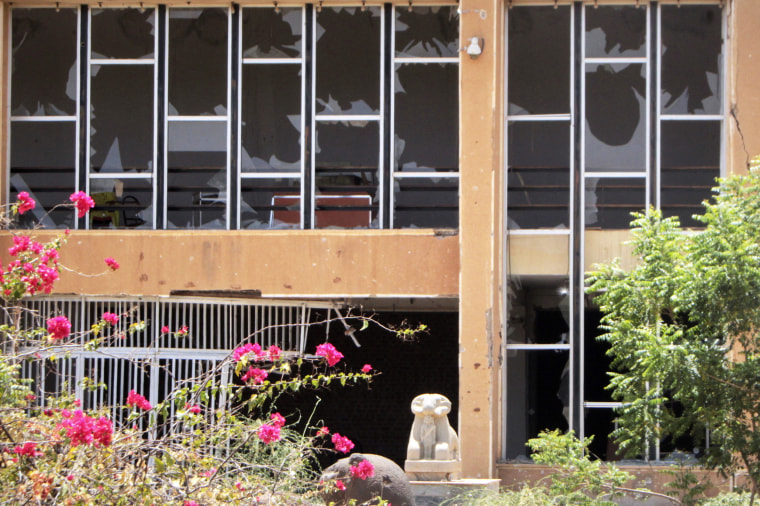
A statue of the Nubian god Apademak stands alone in the courtyard of Sudan’s National Museum, one of the few survivors of systematic looting amid a conflict that has developed into one of the world’s worst humanitarian crises.
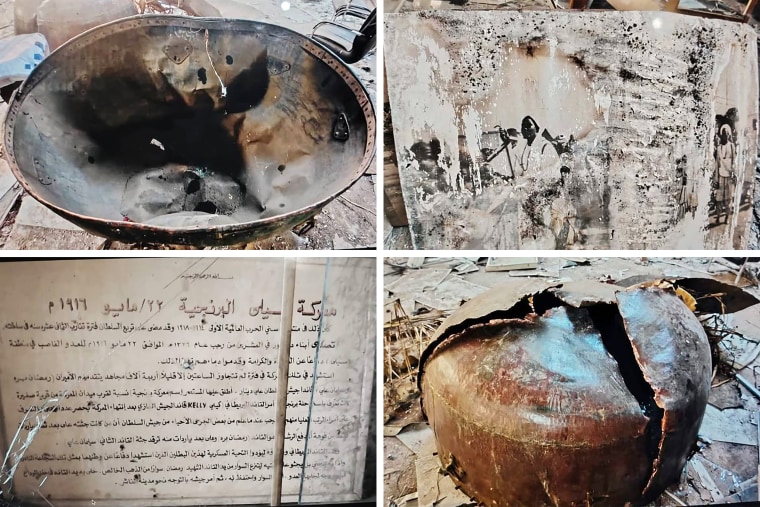
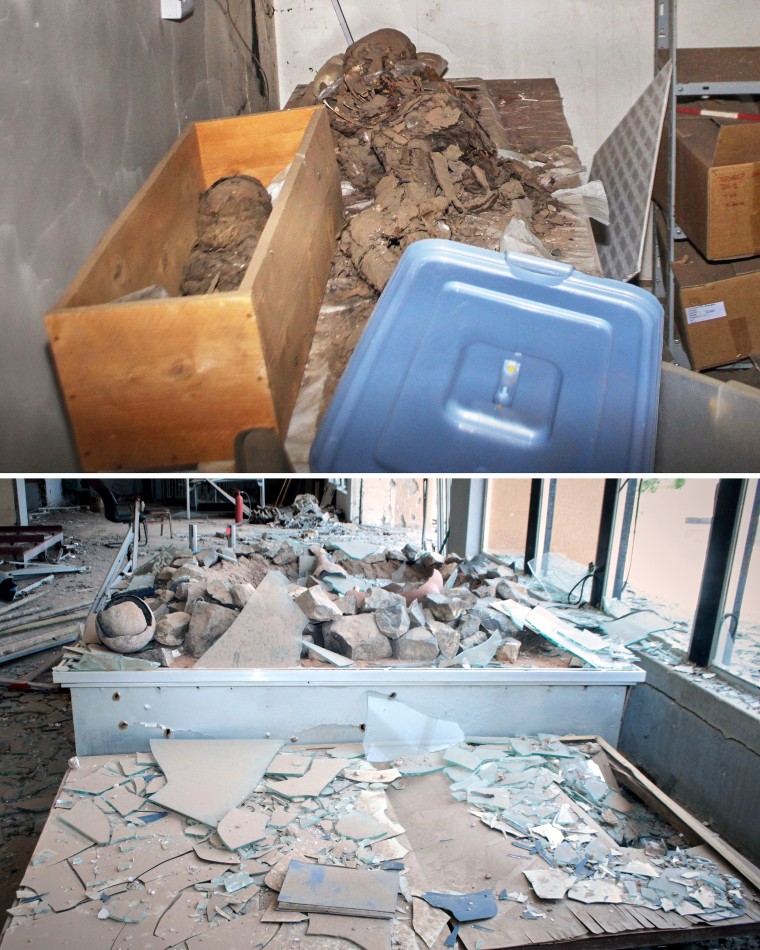
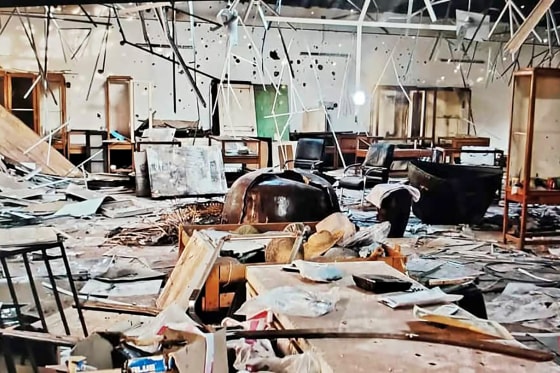
Inside the museum’s exhibition halls, display cases stand empty, stripped of their lightweight, high-value contents during a period of occupation by the Rapid Support Forces from April 15, 2023, until early last year.
“More than 60% of the museum’s holdings were looted,” said Ghalia Jar Al-Nabi, director of the General Authority for Antiquities and Museums, noting the theft of gold and jewelry belonging to the kings of Napata and Meroe, two ancient kingdoms that inhabited the region. The towering figure of Apademak, a deity of the Meroitic empire, which ruled between 300 B.C. and 350 A.D., was likely too heavy to move.
The war raging between the RSF and the Sudanese military has claimed at least 40,000 lives and displaced at least 13.6 million people, according to figures from United Nations agencies and the World Health Organization, though aid groups say the true death toll could be many times higher. An independent U.N. report last month accused the RSF of carrying out “a coordinated campaign of destruction” against non-Arab communities in parts of Sudan, “the hallmarks of which point to genocide.”
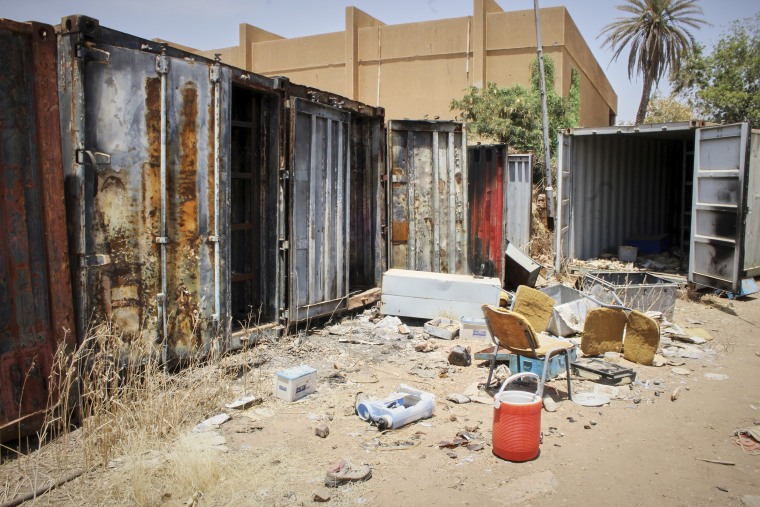
The preliminary losses across the culture, antiquities and tourism sector during the war stand at $110 million, according to an estimate from Sudan’s minister of culture and information, Khalid Ali Aleisir, who said that figure captures only part of the irreversible damage inflicted on repositories of African history. At least 20 museums have been destroyed or looted, he said, including the National Museum, the historic Republican Palace, military museums and the Sultan Ali Dinar Museum in El Fasher, North Darfur.
Khartoum, where the conflict first broke out in April 2023, contains four museums for antiquities and heritage, all within the line of fire. “For months of the war, no one could know what became of these museums,” Al-Nabi said.