HONG KONG — India is increasingly important to the United States as a key Asian security partner and a counterweight to China. But President Donald Trump’s tariffs may be pushing it closer to Beijing instead.
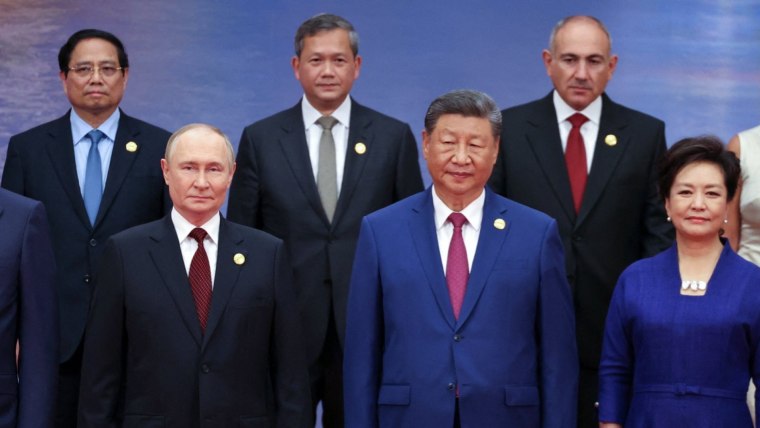
Indian Prime Minister Narendra Modi is in China this weekend for the first time in seven years to attend a security forum with other world leaders, including Russian President Vladimir Putin.
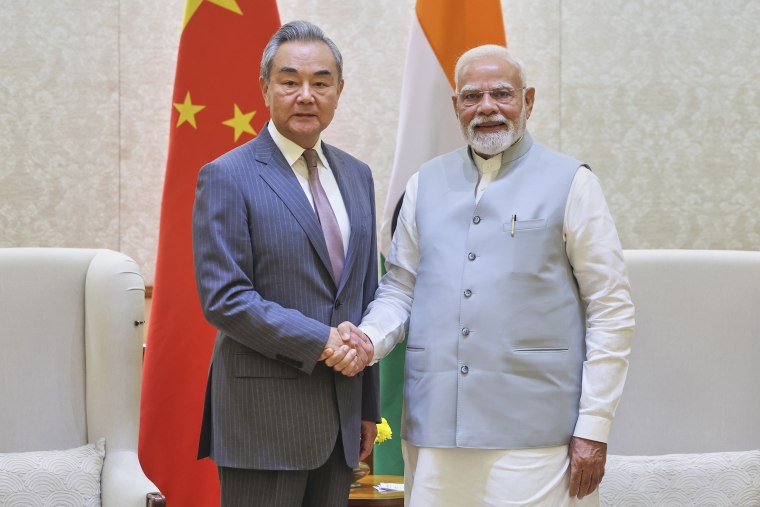
On Sunday, Modi and Chinese President Xi Jinping met in Tianjin, where China is hosting a summit of the 10-member Shanghai Cooperation Organization.
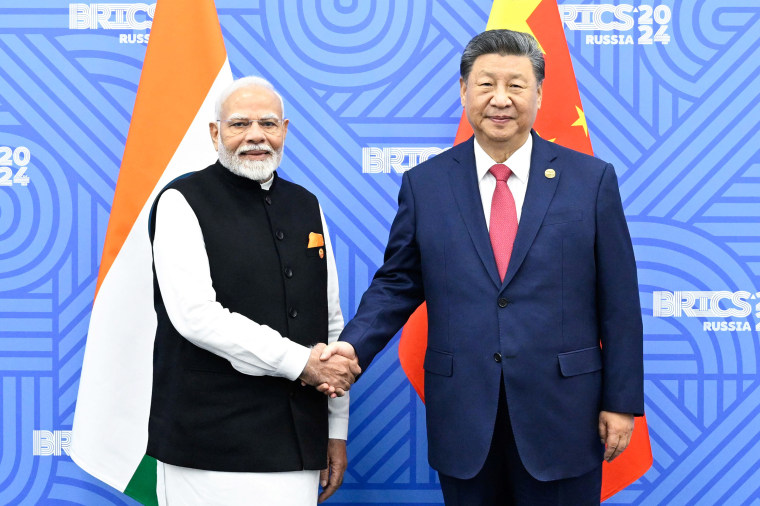
Xi told Modi that the world’s two most populous countries should be “partners rather than rivals” and that the “dragon” and the “elephant” should come together.
Modi told Xi that they were “committed to progressing our relations based on mutual respect, trust and sensitivities.”
Their meeting comes days after the Trump administration doubled tariffs on Indian imports to 50% as punishment for buying Russian oil. The stinging levy, one of the highest on any U.S. trading partner, has raised concerns that it could push India closer to China despite years of tensions.
“Until about three, four months ago, relations between China and India were not bad, they were very bad. They were not talking to each other,” said Kishore Mahbubani, a Singaporean diplomat and former president of the United Nations Security Council.
“I have to give credit where it’s due: President Donald Trump’s decision to impose a 50% tariff on India is one of the biggest shocks that India has ever got in recent times,” Mahbubani said Wednesday at an event in Hong Kong organized by the University of Hong Kong’s Center on Contemporary China and the World.
India, along with China, is a top purchaser of Russian crude oil, which Trump says is helping to fund Moscow’s war on Ukraine. New Delhi says such criticism is “unjustified and unreasonable,” and that the U.S. previously encouraged it to buy the oil to keep global prices from soaring as Western countries suspended their purchases.
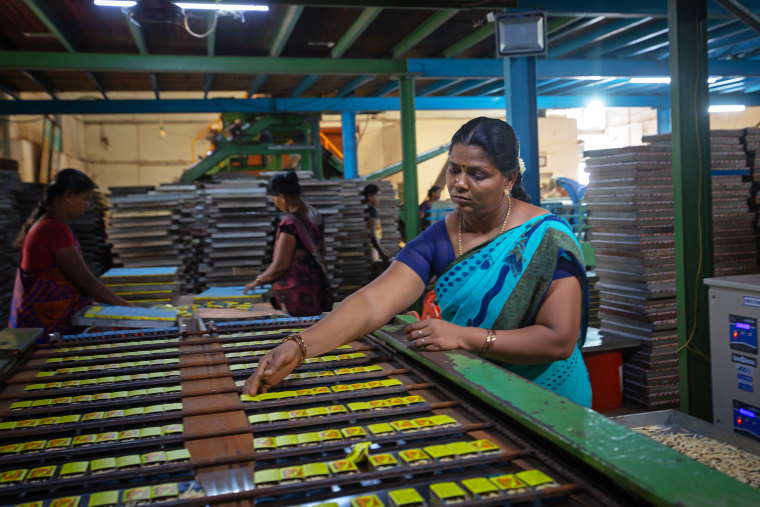
While India and China share a common grievance over Trump’s tariffs, which in China’s case have reached as high as 145%, analysts say their relationship still faces major challenges and that Modi’s China visit is mainly a symbolic display of resilience.
“Xi wants Modi and India to show that they are working with him and with China to the extent that they are not following the Trump or U.S. lead in containing China,” said Steve Tsang, director of the China Institute at the SOAS University of London.
Last month, the Chinese ambassador to New Delhi delivered a rare public defense of India against the tariff increase, calling the U.S. a “bully.”
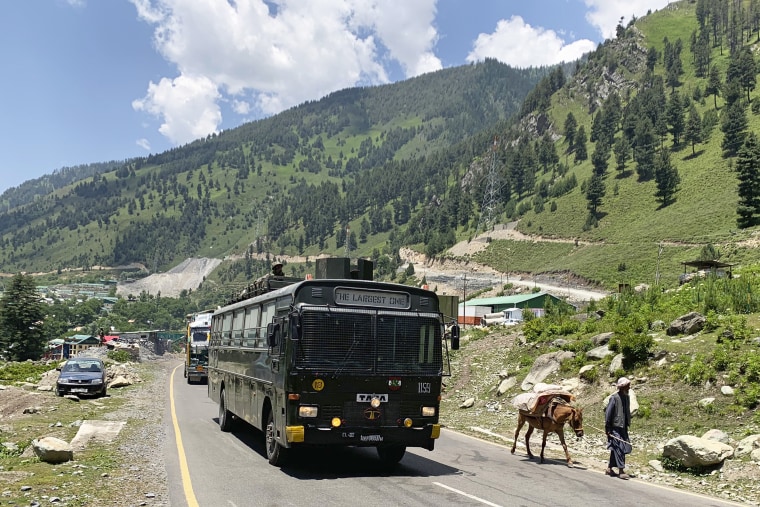
It was a major step up from the deep freeze that began in 2020 with a border clash in India’s Himalayan region of Ladakh that killed at least 20 Indian and four Chinese soldiers and plunged relations to the point that the two countries suspended direct flights.
Only seven months ago, India was entering Trump’s second presidential term in a relatively strong position, with Modi among the first world leaders to visit his “dear friend” at the White House.
But tensions soon arose, with Trump complaining that Apple was producing iPhones in India instead of the U.S. India also rejected Trump’s claim that he brokered a ceasefire in its four-day conflict with neighboring Pakistan.
New Delhi was further incensed weeks later when Trump hosted Pakistan’s powerful army chief at the White House in an unprecedented meeting.
“The Indians saw this as a slap in the face for them,” Mahbubani said. “So there is now, even as we are speaking, a tremendous amount of re-evaluation going on in Delhi about where India’s place in the world is.”
At the same time, China and India have been moving cautiously to restore their relationship, reaching a deal to resolve their 2020 border standoff and announcing the resumption of direct flights.
But not everybody is convinced about China extending a friendly hand, and the two countries still have major differences.