It's all the truck he needs — one that picks up a new mattress from the furniture store, takes him to work and has ample space for groceries.
“Most people have way more truck than they will ever use,” said David McChristian, 37, a firefighter from Houston. “I don’t need a Ford F-150 that can tow 5,000 pounds.”
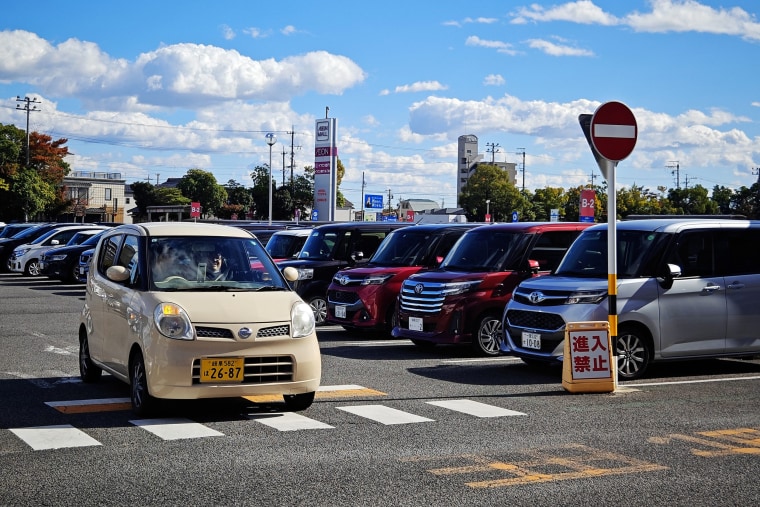
Called “kei” cars, they’re tiny, lightweight, low-powered and low-noise. But as low-key as they are, they’re as ubiquitous on rural Japanese streets, fitting in small garages or on the side of a street.
McChristian is not their only fan. President Donald Trump has praised the trucks — and wants to replicate their success as U.S. cars soar in price and swell in size.
A Daihatsu kei truck typically costs around $10,000 in Japan, a quarter of what an F-150 costs. It’s also half the size and comes with an engine of around 60 horsepower, compared with the over 300 horsepower engines that power most F-150s.
Trump saw the trucks firsthand while visiting Japan in October and has since talked about bringing the phenomenon to the U.S. “They’re very small. They’re really cute. And I said, how would that do in this country?” he told reporters in the Oval Office on Dec. 3.
Two days later, he said he had “just approved TINY CARS to be built in America.” He wrote on Truth Social: “These cars of the very near future are inexpensive, safe, fuel efficient and, quite simply, AMAZING!!!”
But getting kei cars on American roads in bigger numbers is an enormous challenge, experts have said, in part because they lack safety features, and because Americans lean toward larger vehicles that prioritize comfort on long-distance journeys.