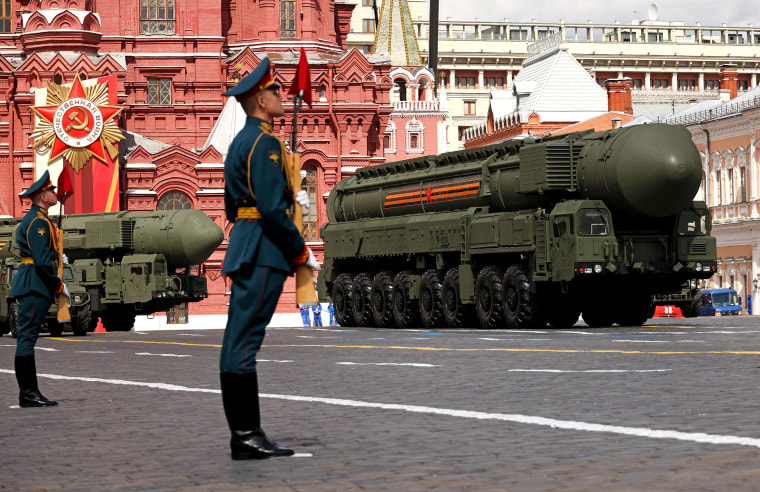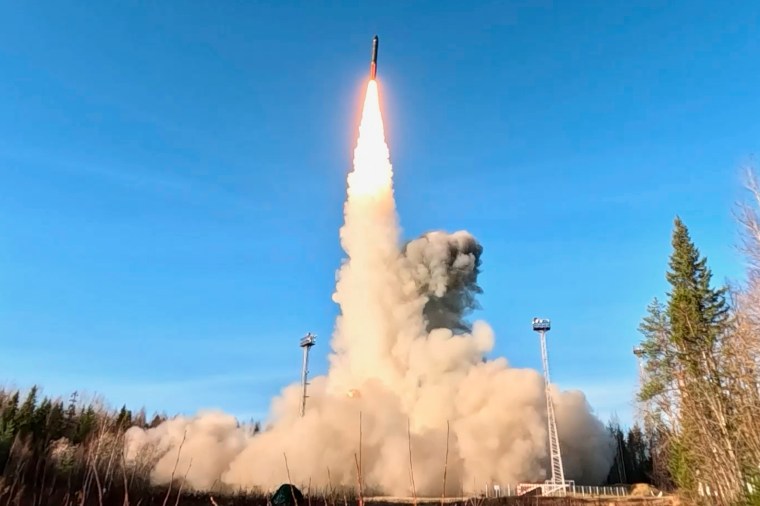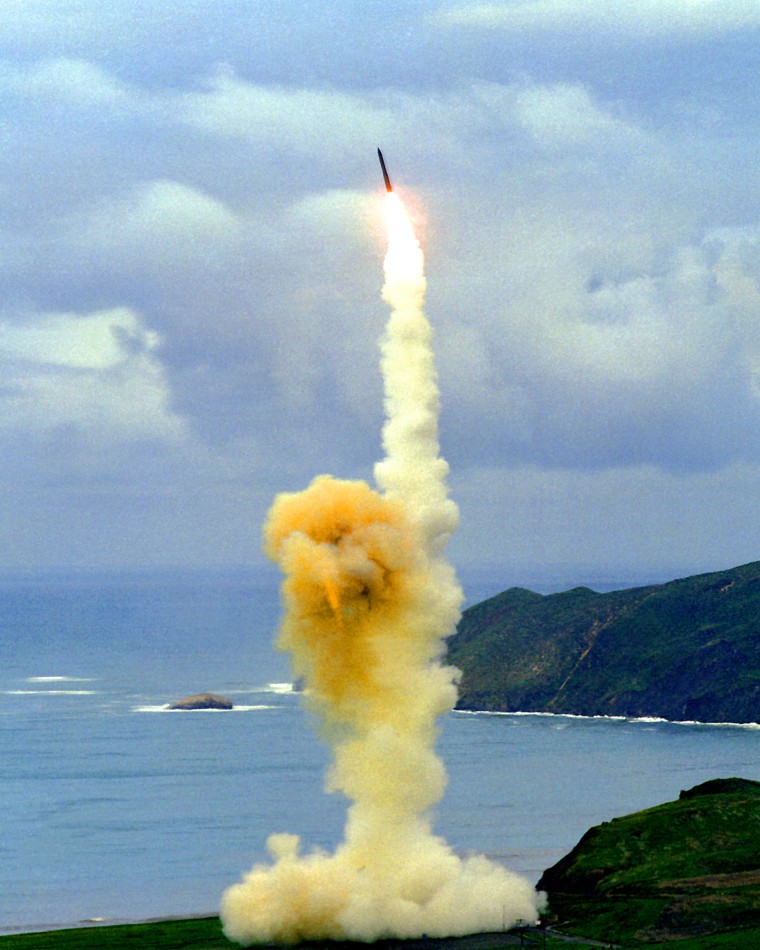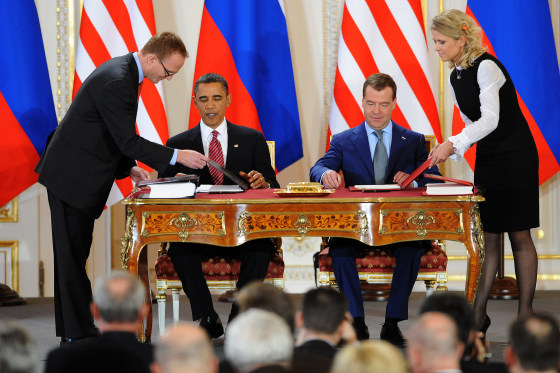
The last major nuclear arms control treaty between Russia and the United States expires Thursday, ushering in an era without caps set by the world’s largest nuclear powers.
Without the New START treaty, which caps the number of deployed nuclear warheads at 1,550 on each side, there will be no limits on the American and Russian arsenals. Not only are there no discussions between Washington and Moscow on what comes next, but also officials from both countries are left guessing about the other side’s capabilities and intentions, increasing the possibility of misunderstandings and an unrestricted nuclear arms race not seen since the 1960s, experts and officials warn.
“For the first time in more than half a century, we face a world without any binding limits on the strategic nuclear arsenals” of Russia and the U.S., United Nations Secretary-General António Guterres said in a statement, calling it a “grave moment” for international peace and security.
In a Truth Social post on Thursday, President Donald Trump referred to the treaty as a “badly negotiated deal” and said that rather than extend it, “we should have our Nuclear Experts work on a new, improved, and modernized Treaty.”
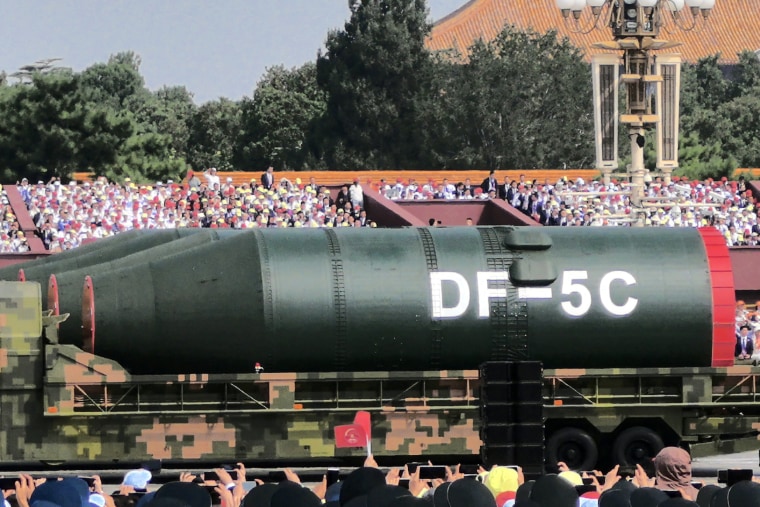
The U.S. and Russia possess nearly 90% of all nuclear weapons, or more than 10,500 warheads combined, according to the Stockholm International Peace Research Institute’s 2025 assessment. China’s nuclear arsenal currently stands at 600 warheads, but is growing faster than any other country’s, by about 100 new warheads a year since 2023, the report said. Together, the three powers’ nuclear arsenals would wipe out life on Earth several times over.
“The Cold War is full of examples where each side had preconceptions and assumptions about what the other side was doing, some of which was faulty and which led to expensive competitions on who was seen to be ahead or behind,” said Mike Albertson, who was involved in negotiating, ratifying and implementing New START.