Washington-brokered negotiations to end Russia’s war in Ukraine have largely boiled down to a diamond-shaped peninsula about the size of Massachusetts.
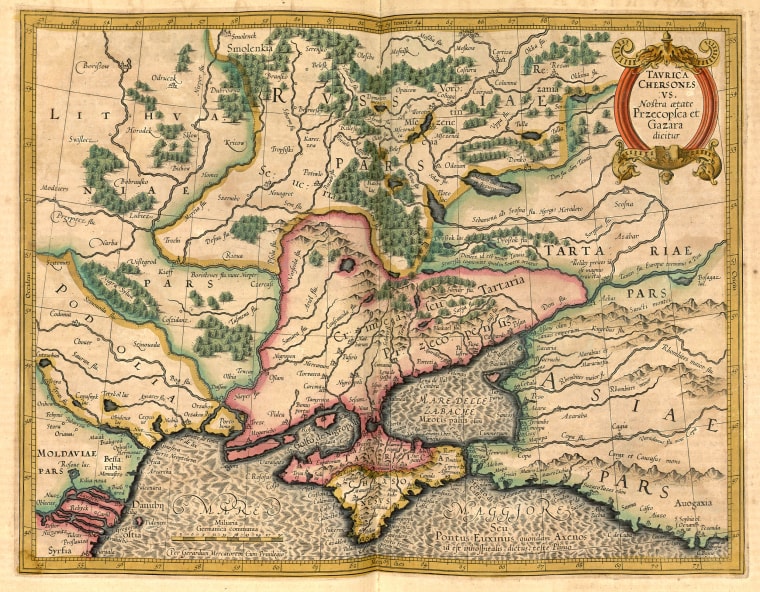
Crimea had been contested for centuries by the Greeks, Mongols and Ottomans before Russia illegally annexed it from Ukraine in 2014. Sitting at a geographic crossroads between Europe, Asia and the Middle East, the peninsula has vast trade and military significance — and is steeped in spiritual lore.
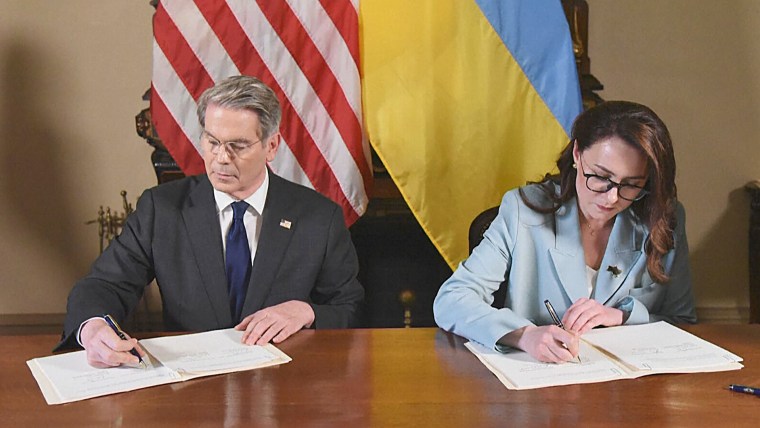
Though a deal was signed giving the United States access to some of Ukraine’s critical minerals, large disagreements between these parties and Russia continue to stymie the wider peace talks.
Crimea is the crux.
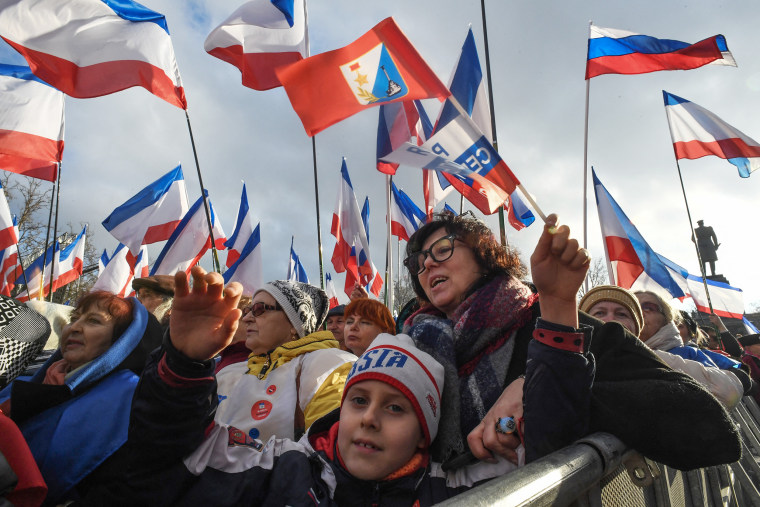
Ukrainian President Volodymyr Zelenskyy has rejected outright acknowledging Moscow’s control over it, while Russian President Vladimir Putin has insisted the peninsula is his.
In the middle, President Donald Trump has often been accused of siding with the latter, suggesting that Russia should keep Crimea as part of a deal he once said would take 24 hours to knock together but has in reality proved far harder.
According to legend, this is where Vladimir the Great, leader of the medieval state of Kievan Rus, converted to Orthodox Christianity. “But it’s not just that somebody was baptized there, or that it was the origin of Russian spirituality,” said Orysia Lutsevych, deputy director of the Russia and Eurasia program at London’s Chatham House think tank. “Crimea is a military asset for Russia.”
Indeed, Putin himself has described the peninsula as Russia’s “unsinkable aircraft carrier” — turning this erstwhile tourist haven into a garrison of fighter jets and missiles with which to attack Ukraine.
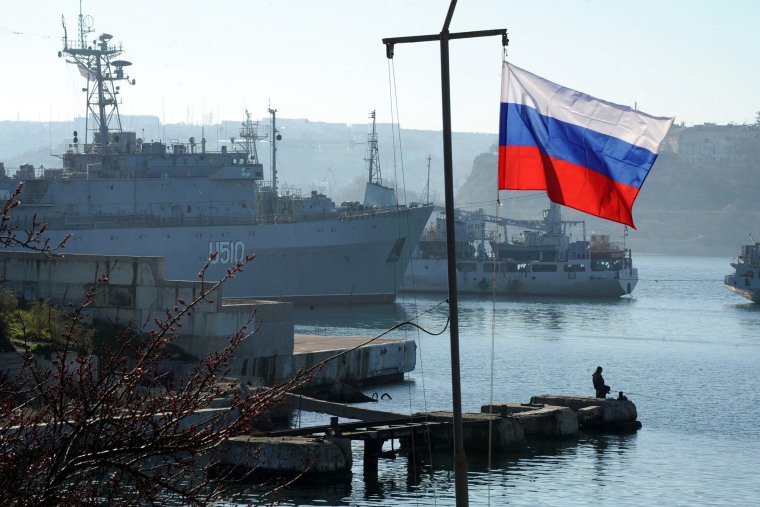
It also allowed him to harbor his formidable Black Sea Fleet in Sevastopol, Crimea’s largest city, and less than 200 miles from both Romania and Turkey, two key NATO members and allies of Washington in the region.
Ukraine has managed to fight back, wielding high-tech missiles and low-cost drones against the armada, forcing it to withdraw to the uncontested Russian port of Novorossiysk.
During the war, Ukraine has also attacked Russia’s hastily built Kerch Bridge, forcing Moscow to beef up security around the crossing and start using other military supply lines.
Ukrainians fear recognizing Russia’s control over Crimea would allow it to rebuild this bridgehead — and attack again.