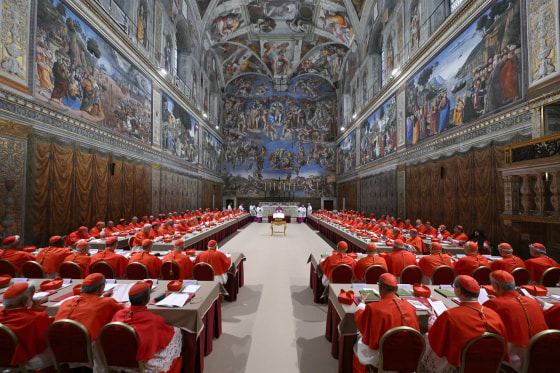
VATICAN CITY — The secret conclave that elected Pope Leo head of the Catholic Church last May was interrupted when one of the 133 cardinals involved was found carrying a cellphone, a massive security breach, a book released on Sunday revealed.
As the clerics were preparing to take their first vote inside the Vatican's Sistine Chapel, which was fitted with jamming equipment to prevent outside communications, security officials picked up the signal of an active mobile connection.
The cardinals stared at each other incredulously, then one of the older clerics discovered he had a phone in his pocket and handed it over, according to "The Election of Pope Leo XIV", a new book by two long-time Vatican correspondents.
The book does not name the cardinal or suggest he had any motive for keeping his phone, saying the moment left him "disoriented and distressed".
'Better than fiction'
The scene was "unimaginable even for a film and never before seen in the history of modern conclaves," wrote the authors, Gerard O'Connell and Elisabetta Pique.
One such film, the 2024 hit "Conclave", imagined a tangled web of intrigues during the fictional selection of a pontiff. Last year's unprecedented discovery of a phone was in its own way more startling than anything portrayed in that movie, O'Connell told Reuters.
"Reality (was) better than fiction," he said.
Clerics taking part in a conclave take a vow not to communicate with the outside world and surrender their phones and all other communication devices for the duration of the proceedings, which can last for days.
The Vatican press office did not respond to a request for comment about the new book, which offers behind-the-scenes details of one of the world's most secretive elections.
Only two leading candidates for Pope
The cardinals met in a two-day conclave from May 7-8 under an intense global spotlight to elect a successor to Pope Francis, who died in April after 12 years leading the 1.4-billion-member Church.
Much of the speculation at the time focused on the possibility that the cardinals would elect a new pontiff from Asia or Africa, given that the conclave was the most geographically diverse in history, with clerics from 70 countries taking part.
But no candidate from those regions garnered much support, according to the book, which discloses details of the cardinals' votes for the first time based on information from interviews with participating clerics.
While it is strictly forbidden for cardinals to reveal details of the secret balloting at a conclave without permission from the future pope, it is common for journalists to slowly tease out information from clerics in the years afterward.
Two candidates immediately emerged as frontrunners inside the conclave, the book said.
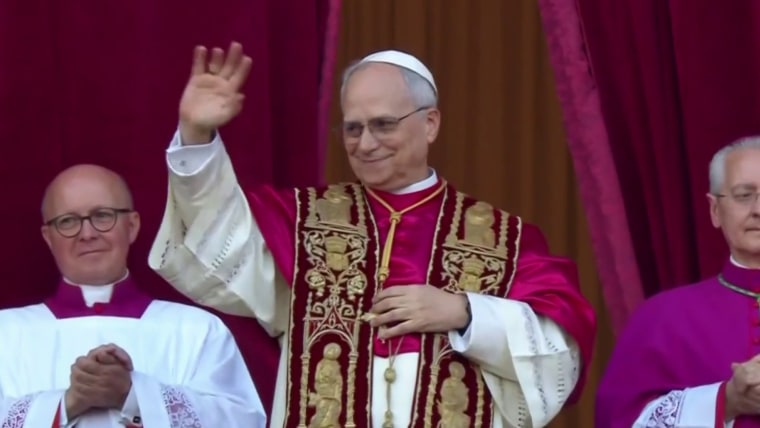
One was Italian Cardinal Pietro Parolin, a long-time Vatican official identified by many outlets as a leading favourite. The other was U.S. Cardinal Robert Prevost, a figure who was mostly unknown outside Church circles but would emerge as Pope Leo, the first pontiff from the U.S.
On the first vote in the conclave, held in the evening of May 7, Prevost already received between 20-30 votes, an unusually large number, according to the book.
Philippine Cardinal Luis Antonio Tagle, who was also seen as a favourite going into the election, only ever received fewer than 10 votes in the conclave.
On the fourth ballot in the afternoon of May 8, Prevost won with 108 votes. Tagle was sitting next to Prevost as the final vote was being tallied and offered the future pope a cough drop to soothe his throat, the book said.

