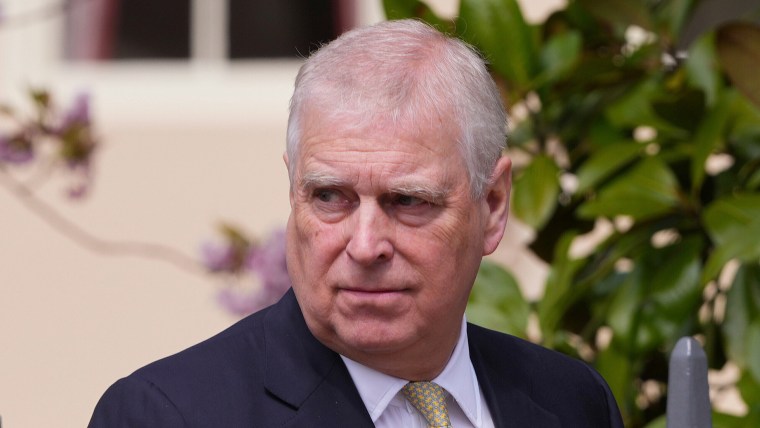
The police force, which covers an area in southern England where Mountbatten-Windsor used to live, did not name him, as is standard practice under British law.
“We understand the significant public interest in this case, and we will provide updates at the appropriate time,” Assistant Chief Constable Oliver Wright said. “Following a thorough assessment, we have now opened an investigation into this allegation of misconduct in public office.”
Earlier this month, the Thames Valley Police said it was looking into a claim that the former prince, while serving as U.K. trade envoy in 2010, had shared confidential documents with Epstein.
One email in the latest U.S. release appears to show Mountbatten-Windsor forwarding Epstein a report from his special adviser about the then-prince’s visit to Southeast Asia.
Mountbatten-Windsor has not commented on the latest batch of files published by the Department of Justice.
His arrest caps years of growing pressure on Mountbatten-Windsor, the son of the late Queen Elizabeth II, over his yearslong friendship with Epstein.
Police said they were searching two addresses in Berkshire and Norfolk. Mountbatten-Windsor lived in Windsor’s Royal Lodge in Berkshire until earlier this month; his new home on the Sandringham Estate, a royal residence, is in Norfolk.
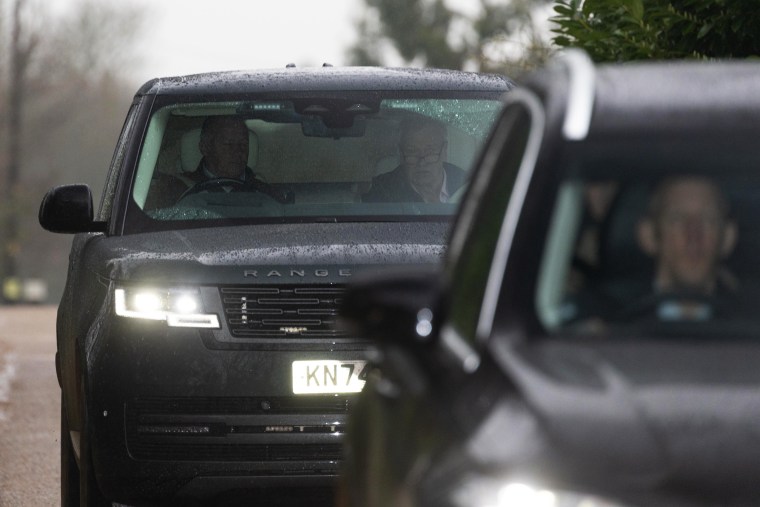
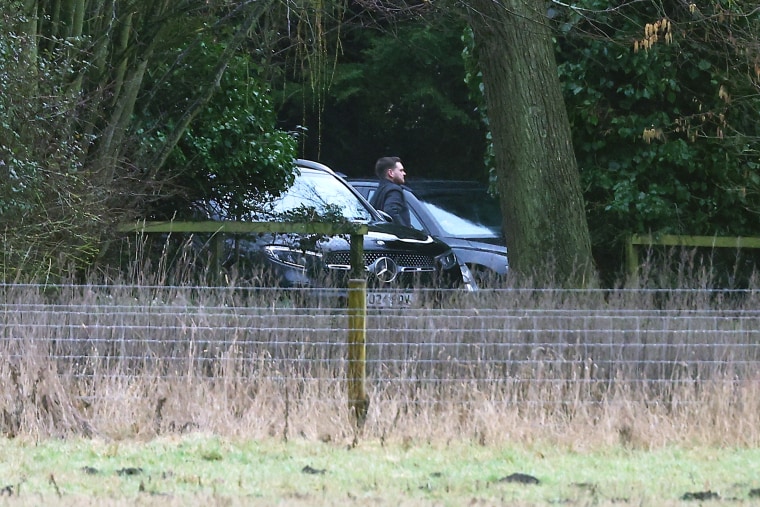
Earlier, news photographers captured what appeared to be unmarked police cars arriving at Mountbatten-Windsor’s home in Sandringham.
Norfolk police said in a statement that they were “supporting a Thames Valley Police investigation into misconduct in a public office.”
In his comments early Thursday, the king directly addressed the British public and signed the statement “Charles R” rather than the usual practice of issuing it through Buckingham Palace.
“I have learned with the deepest concern the news about Andrew Mountbatten-Windsor and suspicion of misconduct in public office. What now follows is the full, fair and proper process by which this issue is investigated in the appropriate manner and by the appropriate authorities.”
“In this, as I have said before, they have our full and wholehearted support and co-operation.”
Charles did not respond when he was asked for further comment by reporters as he attended an event to mark the start of London Fashion Week.
The scandal surrounding Mountbatten-Windsor has centered on the accusations of Virginia Roberts Giuffre, who alleged that she was trafficked by Epstein to his powerful friends, including the former prince.
Mountbatten-Windsor stepped back from active royal duties in 2019 and in 2022 reached a legal settlement with Giuffre for an undisclosed amount after she filed a lawsuit in 2021 alleging that the former prince sexually abused her when she was 17.
Mountbatten-Windsor has denied having had sex with Giuffre.
On Thursday, the Giuffre family released a statement responding to Mountbatten-Windsor’s arrest.
“Today, our broken hearts have been lifted at the news that no one is above the law, not even royalty,” the family said. “For survivors everywhere, Virginia did this for you.”
It is extremely rare for a senior member of the royal family — or someone who used to hold such status — to be arrested.
In 2002, Princess Anne, the sister of the king and Mountbatten-Windsor, was convicted under the Dangerous Dogs Act after her English bull terrier, Dotty, bit two children while walking in Windsor Great Park.
British media said at the time it was the first instance of a royal being convicted of a criminal offense, but she was not arrested.
In “many ways it’s a lot more serious” for the Royal Family than the death of the late Princess Diana, according to NBC News royal commentator Daisy McAndrew.
“The Queen’s reaction to Diana’s death did damage the standing of the royal family with the British public, but only because they thought she handled it badly and there was a bit of aloofness and coldness,” she said. The fact that Andrew was being investigated by the police made it more serious, she added.
Her views were echoed by royal historian and author Sarah Gristwood who said she couldn't "think of anything like this in modern times.”
“It is the first age in which someone who was very recently a senior royal could be treated like any other common criminal,” she said.
Plenty of senior figures were imprisoned in the times of royal families such as the Tudors and the Stuarts, who ruled between the 15th and 18th centuries, but only on political grounds, Gristwood said.