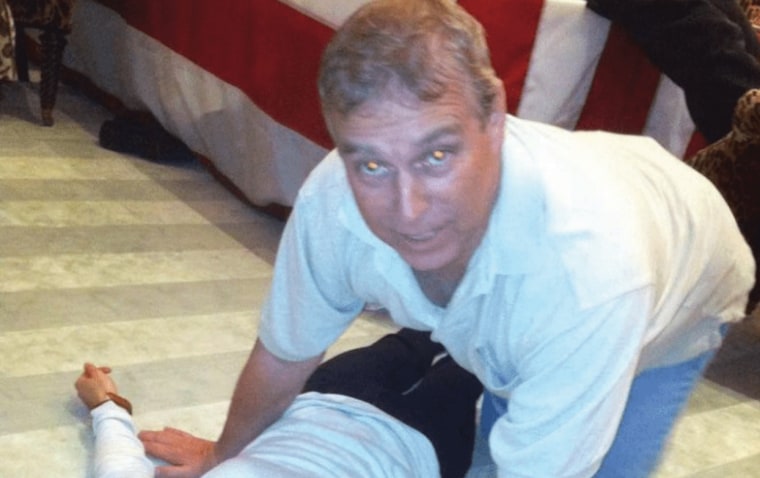
LONDON — Andrew Mountbatten-Windsor may have been released from custody, but his legal saga is not over.
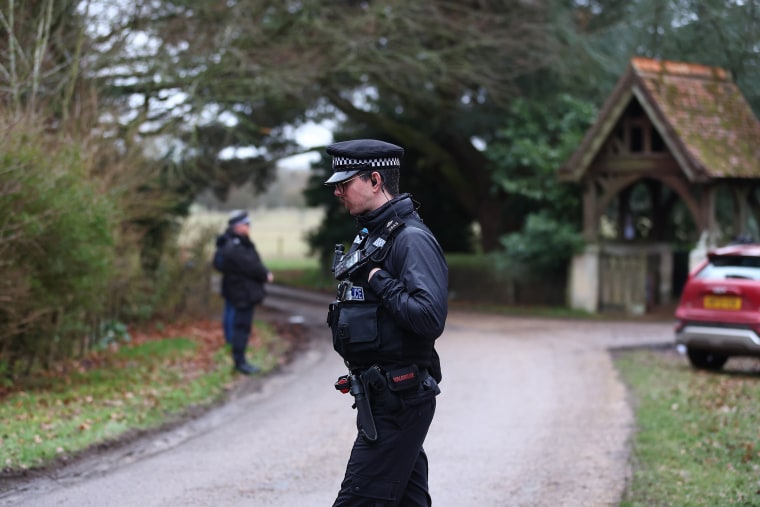
On Friday, police continued to search his former residence of Royal Lodge, in Windsor. This is where he lived before his brother, King Charles III, asked him to leave last year amid mounting pressure over his relationship with the late financier and convicted sex offender Jeffrey Epstein.
Officers have now finished searches of Wood Farm, on the royal Sandringham estate, where Mountbatten-Windsor moved earlier this month, according to Thames Valley Police.
His release after around 11 hours in detention is not uncommon in cases of alleged white-collar crime. It does not mean he has been cleared — nor does it mean he has been released on bail, so there are no “conditions” for his release. It merely indicates that police have finished with this round of questioning and are continuing the investigation.
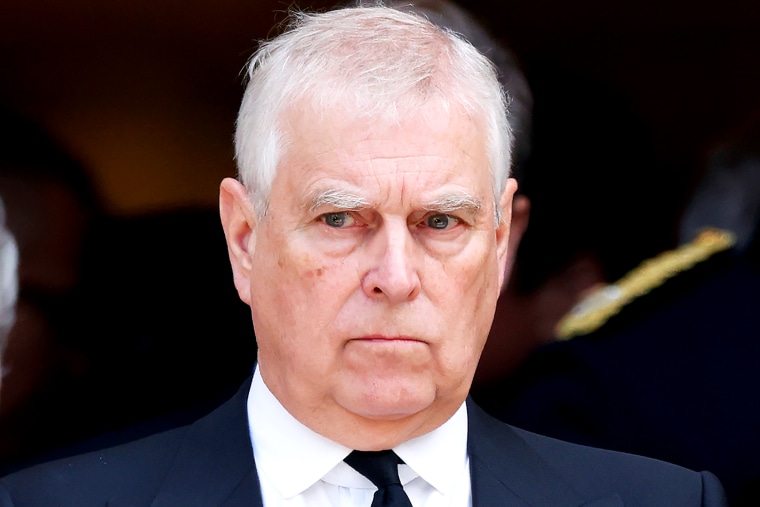
The former prince being released “under investigation would indicate that this is going to be a long term process,” said Dal Babu, a former chief superintendent with London’s Metropolitan Police. It means “he’s suspected of a crime, he hasn’t been formally charged, and there’s no conditions. There’s no timeline as to how long the investigation will take.”
British authorities moved after the U.S. Justice Department released another 3.5 million files related to Epstein. Some of the documents detailed communications between Epstein and the former prince while he was serving as British trade envoy.
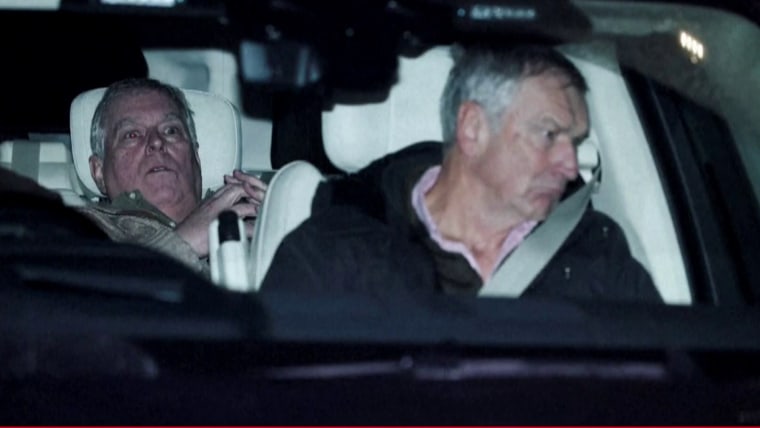
After his arrest on suspicion of misconduct in public office, Mountbatten-Windsor was taken to Aylsham police station, in eastern England. He was released “under investigation” hours later, photographed slouched in the back of a car, starring into space with his hands clasped.
The former Prince Andrew could be brought back in for further questioning or “rearrested” if the police deem that necessary. He could also be asked about other lines of enquiry.
Separately, London’s Metropolitan Police also said Friday that investigators were working to identify former and serving officers who may have worked closely, in a protection capacity with Mountbatten Windsor.
“They have been asked to consider carefully whether anything they saw or heard during that period of service may be relevant to our ongoing reviews and to share any information that could assist us,” the force said.
Mountbatten-Windsor has previously denied any wrongdoing in relation to Epstein but has made no comment on allegations arising from the recent release of Epstein files.
After years of scrutiny and criticism over his ties with Epstein, his arrest was the first for a senior royal since Charles I, who was beheaded for treason in 1649.
His case exposes the complex and often messy relationship between Britain’s democratically elected government and its largely ceremonial but still powerful monarchy.
The king, 77, was not warned beforehand about his brother’s imminent arrest, a palace official told NBC News. But the National Police Chiefs’ Council, Britain’s national body that coordinates law enforcement, did tell the government, specifically the Home Office, 30 minutes beforehand “in line with routine practice,” Thames Valley Police, which made the arrest, said in a statement.
Both Buckingham Palace and the government's Department for Business and Trade have said they are ready to help the police with enquiries, although it is not clear if they have done so yet.
Ultimately, at some point the police and the Crown Prosecution Service, or CPS, will have to decide whether to charge Mountbatten-Windsor, a decision that might take weeks or months.
The CPS is in touch with Thames Valley Police regarding the investigation, a spokesperson told NBC News on Friday, describing their contact as “informal.” Prosecutors have not offered any early investigative advice, the spokesperson added.
The name of this authority — the Crown Prosecution Service — indicates just how extraordinary these circumstances are. Though the British monarchy has little everyday political power, the organs of the state still draw their authority from the throne.