
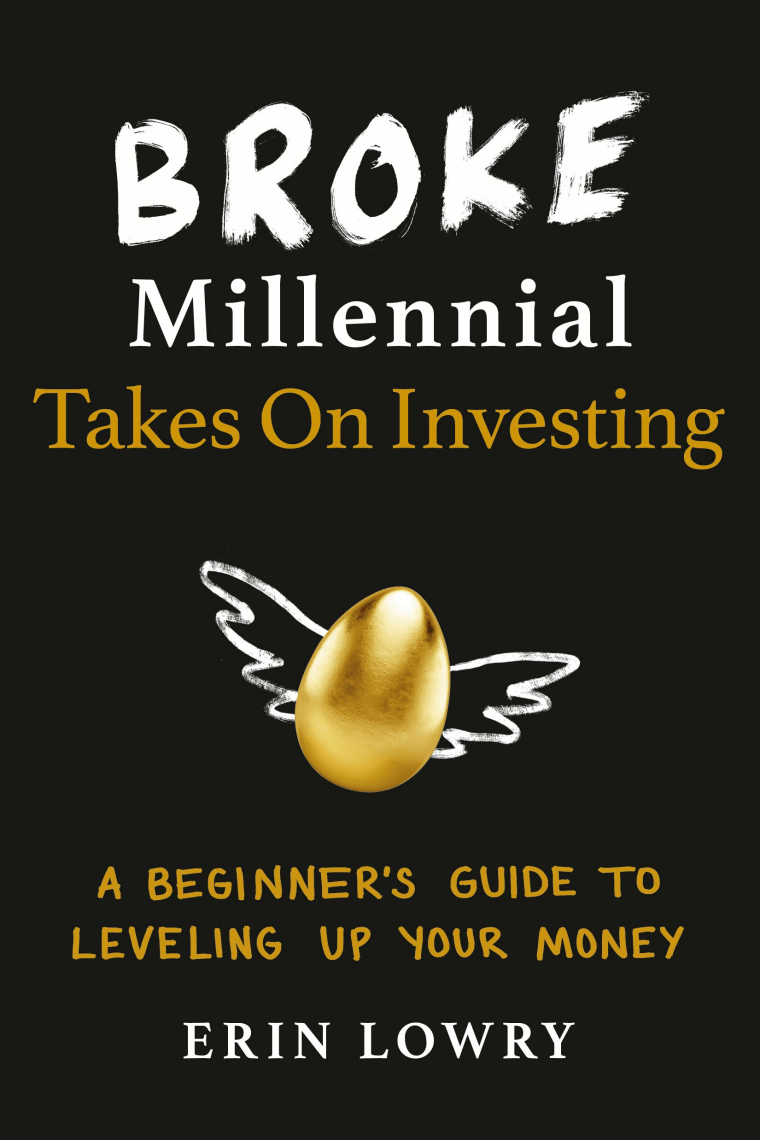
Want to be wealthy? You’ll need to invest, says Erin Lowry, the personal finance expert behind Broke Millennial and author of "Broke Millennial Takes on Investing: A Beginner’s Guide to Leveling Up Your Money".
Millennials are in a good position to invest, because they can tap into investing’s biggest asset — time. “Time enables you to weather the ups and downs of the market. It lets you take advantage of compound interest for a longer period of time. And that’s what’s going to get you to your long-term goal of living comfortably and achieving financial freedom and independence,” Lowry says.
Step 1: Set your financial goals
You need to get your financial life in order before you dive into investing.
“It’s really important to write down your goals,” Lowry says. Then you can figure out when it makes sense to save v. when to invest.
For your short-term goals, like moving or replacing your car, you might to save. That’s because investments in the stock market can rise and fall, and you won’t want to pull out your money when the market is down.
For long-term goals like funding a child’s education, starting a business, or buying a house, investing might make more sense.
- Master your cash flow. “People hate the word ‘budget’,” Lowry says. “I like ‘cash flow’. You need to know how much is coming in and how much is going out.”
- Build your savings. You need enough money in an emergency fund to cover three months of your expenses as well as your short-term goals.
- Pay off credit cards and high-interest debt. You can probably start investing while you are paying down mortgages, car loans, and student loans. Lowry’s rule of thumb is that it’s okay to start investing if your student loan interest rate is 5 percent or below.

Step 2: Start with a retirement fund
Have money in a retirement fund? You’re probably already investing. Lowry is on a campaign to change the way we talk about the money we put away for retirement. “We say ‘save for retirement’ but we are investing for retirement. People don’t think of themselves as investors, but they are. It’s important, because it can build confidence,” she says.
Most employers offer either a 401k or 403b plan, and many will match part of your contributions. “If you can take advantage of the full match, that’s wonderful. If you can’t, start with 1 percent and every three to six months add another 1 percent,” Lowry says.
If you’re self-employed, you can invest for retirement in an IRA, a SEP IRA, or a solo 401k. Lowry recommends putting aside 35 to 45 percent of your income to cover your taxes and your retirement investments if you work for yourself.
She follows her own advice, putting 45 percent of every paycheck into a savings account. From that account, she pays her quarterly taxes and uses the money left over to invest in her SEP IRA. “This ensures I’m still prioritizing my future and investing for retirement instead of just putting it on the back burner,” she says.


