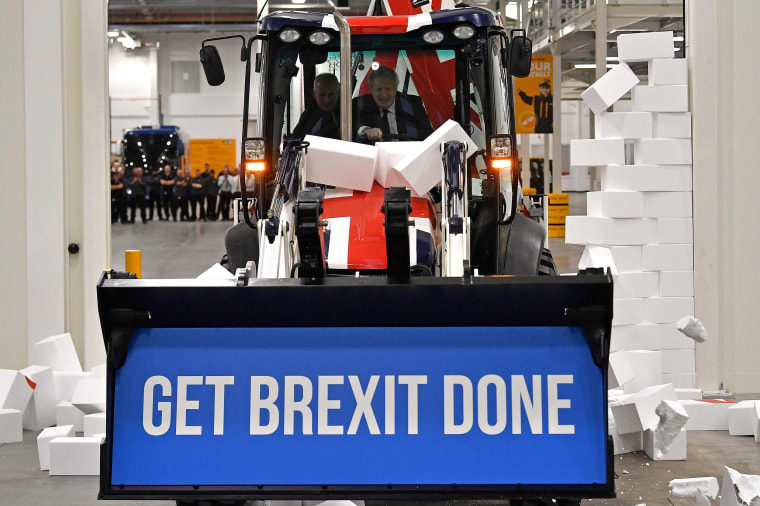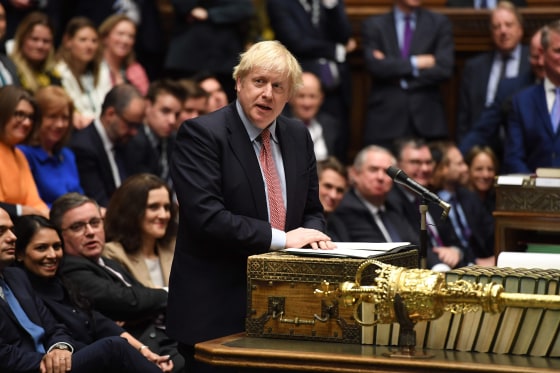
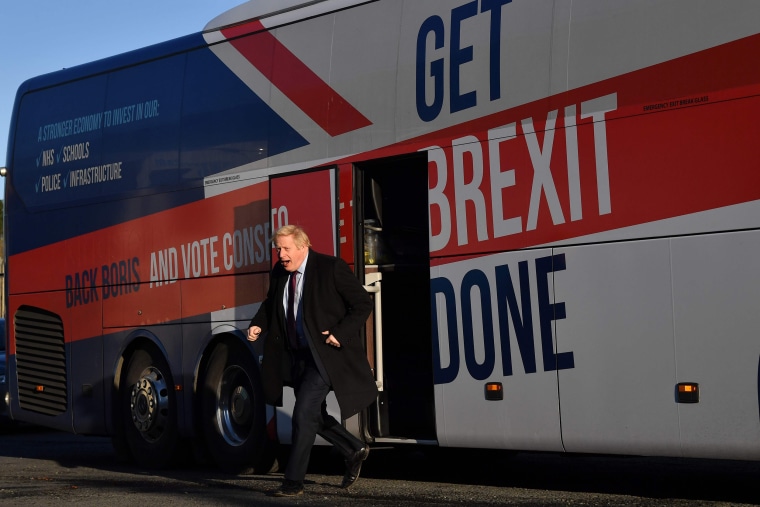
LONDON — It was repeated like a mantra throughout the election campaign. Prime Minister Boris Johnson really, really wanted voters to know he was going to "get Brexit done."
This promise helped propel his Conservative Party last week to its most emphatic election victory in three decades.
It means Johnson looks certain to finally pass a Brexit deal in Parliament on Friday after years of political deadlock, a huge symbolic moment that will ensure Britain leaves the European Union next month.
So Brexit will be "done," right?
The most likely answer is no.
Britain appears headed for at least another 12 months of potentially tortuous negotiations over the terms of its departure from the European Union.
"Actually resolving what Brexit is going to look like going forward, and what that means for businesses and citizens is a whole new task," said Maddy Thimont Jack, a senior researcher at the Institute for Government, a London think tank. "And the British government has a very, very tight time frame in which to do it."

Brexit was always meant to be a two-stage process.
The turmoil since its 2016 Brexit referendum has largely concerned the first phase: the divorce itself. Getting over this hurdle will indeed be a huge symbolic moment.
Whereas his predecessor, Theresa May, suffered a series of humiliating defeats, Johnson's power in Parliament means he will easily pass his Withdrawal Agreement Bill on Friday and should deliver Brexit by the deadline of Jan. 31.
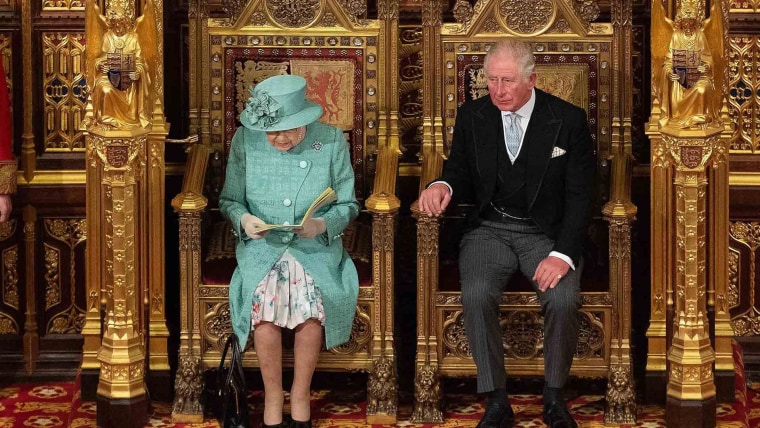
On Thursday, his fledgling government will present its legislative program in what's known as the Queen's Speech. (The monarch doesn't write it, she just reads it out.)
Johnson's stunning election victory was also the death knell for those who harbored dreams of putting Brexit to a second referendum or scrapping it entirely.
But the divorce — always meant to be the easy part — is simply the end of the beginning of the process of withdrawal. Next comes the negotiation on the future post-marital relationship with Europe.
All the while, President Donald Trump has made no secret he wants his own bilateral agreement with London — suggesting that certain European demands might clash with his own.
There are myriad moving parts.
London and Brussels are bound by 40 years of rules and regulations that govern the smallest and most overlooked corners of everyday life.
Deciding what to scrap and what to keep would be tough at the best of times. And time is one thing Johnson doesn't have.
First, the United Kingdom will enter a transition period until December 2020, acting like an E.U. member while negotiations continue. Johnson has already signaled he will rule out extending this date.