
Noticing clumps of hair on your pillow, in your brushes and in your shower drain can be devastating. While some hair shedding is entirely normal, excess shedding may be a cause for concern. But experts say hair shedding is usually temporary and caused by external factors (like stress) that often resolve over time, so how do you know if what you’re experiencing is temporary shedding or actual hair loss?
To find out, I spoke to three board-certified dermatologists about how to differentiate between the two, treatments for each and when it’s time to see your doctor. I also rounded up their recommendations for the best products to shop to help treat both hair loss and shedding.
 Best serum for hair shedding$undefined$24.00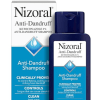


What’s the difference between hair loss and hair shedding?
Hair shedding and hair loss are often confused with one another, but it’s important to know the difference. Hair shedding refers to hair increasingly falling from the scalp, usually as part of a temporary disruption in the hair growth cycle, says Dr. Alexandra Bowles, a board-certified dermatologist at MONA Dermatology. Hair loss, on the other hand, happens when hair follicles stop producing new hairs or gradually shrink over time, she says.
The key difference: When hair sheds, the follicle is still healthy and capable of growing back, while those experiencing hair loss may have follicle damage or thinning. “Shedding typically feels sudden, while hair loss often appears more gradual and patterned,” says Bowles.
What causes hair loss versus shedding?
There are a variety of factors that can contribute to hair loss, including hormonal imbalances, genetics, age, autoimmune disorders and certain medical conditions, says board-certified cosmetic dermatologist Dr. Michele Green.
Androgen hormones (which are male sex hormones found in both men and women that play a key role in reproductive health and body development), such as dihydrotestosterone (DHT), usually play a significant role in hair loss. “Some people may be sensitive to DHT or genetically predisposed to higher levels of DHT and other androgen hormones,” says Green. Women often experience hair loss as a result of lowered estrogen levels, especially after pregnancy, during menopause and through changes in birth control.
Autoimmune disorders such as alopecia areata, which is when the immune system attacks its own hair follicles, as well as certain medical conditions like hypothyroidism, can cause sudden patchy hair loss or thinning.
Excessive hair shedding (called telogen effluvium in the medical world) can be triggered by physical or emotional stressors, including surgery, childbirth, infections, chronic stress, death of a loved one or divorce. “Excessive shedding typically begins two months after a stressor and often resolves on its own several months after,” says Green.
Diet also plays a key role: crash diets or rapid weight loss can trigger excessive hair shedding, and nutritional deficiencies in protein and iron can lead to hair loss and thinning.
How can you tell if you’re experiencing hair loss or shedding?
Below are a few key factors that make it easier to tell whether you’re experiencing hair loss or shedding.
- Hair shedding: “Normal hair shedding can look like several strands falling out while brushing or washing, typically up to 150 strands a day,” says Green. With excessive hair shedding, you’ll usually notice this happens rapidly over a short period of time. People will usually notice hair shedding three to six months after the trigger, says Dr. Nkem Ugonabo, a board-certified dermatologist at UnionDerm in New York City.
- Hair loss: You’ll often notice a receding hairline, a widening part, thinning at the temples or crown, bald spots or a more exposed scalp, says Green. For many people, it takes months or even years to notice hair loss, depending on the severity.
How do you treat hair loss versus shedding?
Though they are very different, many treatments for hair loss and hair shedding overlap since both support scalp health and follicle function, says Bowles. However, shedding often improves with time and supportive care, whereas hair loss typically requires ongoing treatment to slow progression. Here’s what experts suggest for each one:
- Propecia (finasteride) is an FDA-approved oral medication prescribed by a doctor that prevents testosterone from turning into dihydrotestosterone (DHT), which helps treat hair loss in men. It’s not yet FDA-approved for women, though it’s commonly prescribed off-label to women experiencing hair loss who aren’t planning to become pregnant, says Green. Dutasteride is another DHT-blocking prescription oral medication that helps increase hair density and growth, but it is not yet FDA-approved for either men or women (but still prescribed off-label to men), says Green.
- Topical minoxidil, often known as its brand name Rogaine, is an FDA-approved treatment that strengthens hair follicles and promotes hair growth and retention. Dermatologists commonly prescribe oral minoxidil for both hair loss and shedding, says Green. However, you’ll need to use it consistently, or else the new hair you grew will shed again, experts say.
- Ketoconazole is a common ingredient in dandruff shampoos, but paired with a hair loss treatment like minoxidil, it can potentially increase hair growth, says Ugonabo.
- Spironolactone is an oral antiandrogen medication prescribed to women experiencing hair loss. It regulates androgen (male hormone) production to promote hair growth, says Green. It’s also effective for women experiencing hair loss due to Polycystic Ovary Syndrome (PCOS), she says.
- Platelet-rich plasma (PRP) injections, which involves taking a sample of blood and spinning it to separate the growth factors and proteins that promote tissue regeneration and hair follicle healing, says Green. It’s injected into the scalp to thicken hair, reduce shedding and help hair grow. “Because the PRP is derived from the patient’s blood, the procedure is 100% safe,” says Green.
- Red light therapy: Low-level red light therapy helps increase blood flow to your scalp, which may help prolong the growth phase of hair, says Bowles. Clinical studies show modest improvements in hair density for some people, particularly when used consistently over several months. That said, it isn’t a standalone solution for more advanced hair loss. “I consider it an adjunct therapy. It tends to be low risk when FDA-cleared devices are used as directed, but expectations should remain realistic,” says Bowles. “The best outcomes often occur when red light therapy is combined with evidence-based medical treatments such as minoxidil or hormone-targeted therapies.”
Related

Want more from NBC Select? Sign up for our newsletter, The Selection, and shop smarter.
Best treatments for hair loss and shedding
Best overall
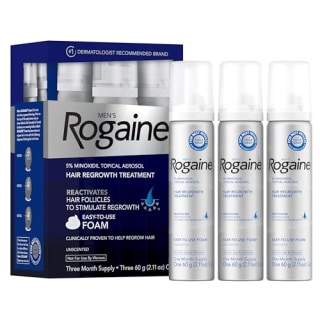
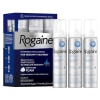
Rogaine comes recommended by all the experts I spoke to because it has topical minoxidil, which is great for both hair loss and shedding because it can increase blood flow to your hair follicles, says Ugonabo. It’s also one of the few treatments that has been FDA-approved. The active ingredient is minoxidil, which is proven to help hair growth. “Minoxidil has decades of scientific research supporting its safety and efficacy,” says Green. “[It also] increases hair follicle size, which helps new hairs grow thicker and stronger.” Though both men’s and women’s Rograine foams have 5% of minoxidil, the brand recommends men apply half a capful twice a day directly to the scalp and women apply half a capful just once a day. You can expect to see results in 120 days, but keep in mind that continued, consistent use is necessary to maintain results, experts say.
Best serum for hair loss
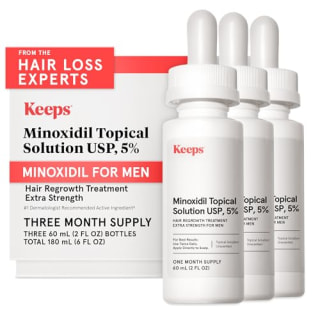
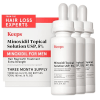
This serum comes recommended by Bowles because it has minoxidil to support hair growth. Instead of a foam like Rogaine’s treatment, this serum comes in a dropper, which makes it easier to target specific areas where you’re experiencing hair loss or shedding. You’ll see results within four to six months with consistent use (twice daily for men), according to the brand. The serum (and its instructions) is marketed toward men, so women should talk to their dermatologist for advice on how to use it.
Best shampoo for hair shedding
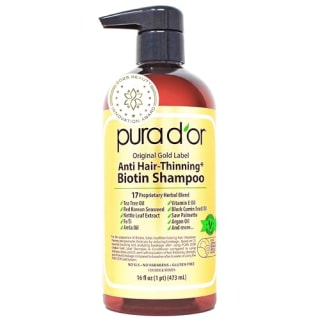
When it comes to hair shedding, the focus should be on calming and supporting the scalp rather than aggressively stimulating it, says Bowles, who recommends this gentle shampoo. It has biotin and argan oil, two ingredients that help hair appear thicker and calm the scalp, experts say.
Best for scalp inflammation
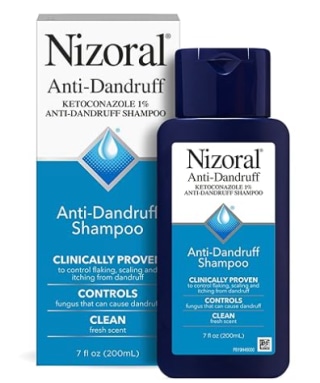
This shampoo not only helps reduce dandruff, but it also addresses inflammation and scalp imbalances that may contribute to shedding, says Bowles. It has 1% ketoconazole, an expert-recommended ingredient that can help hair growth when paired with a proven ingredient like minoxidil, experts say.
Best serum for hair shedding
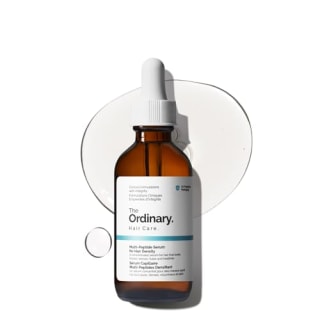
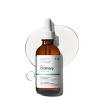
A lightweight topical like this one from The Ordinary can help you maintain a healthy scalp without adding buildup, so it’s great for those experiencing mild shedding, says Bowles. It has several proprietary ingredients to help hair look denser and thicker, plus it increases blood flow to the scalp, which can stimulate hair growth, according to the brand.
What are the side effects of hair loss treatments?
If you’re thinking of starting a prescription medication or over-the-counter treatment for hair loss or shedding, there are a few side effects to keep in mind, according to my experts. Each of the following treatments (with the exception of topical ketoconazole, which has minimal absorption) are not recommended during pregnancy.
- Topical and oral minoxidil: Though it’s the most popular treatment for hair loss, topical minoxidil does come with a few side effects, namely scalp irritation, flaking or an initial increase in shedding as follicles shift into a growth phase, says Bowles. Oral minoxidil, which is used at low doses, can cause fluid retention, ankle swelling or changes in heart rate, she says. Because oral minoxidil was once a blood pressure medication, it’s important to have an annual physical to ensure there are no contraindications when taking it, says Green.
- Finasteride and dutasteride: These prescription medications block conversion of testosterone to dihydrotestosterone (DHT), which may decrease libido, erectile changes or mood shifts in a very small percentage of people, says Bowles.
- Spironolactone: This is commonly prescribed to women with hormonal hair thinning, and side effects are rare, says Green. Some people notice menstrual irregularities, breast tenderness, dizziness or elevated potassium levels, says Bowles.
- Ketoconazole: Shampoos with this ingredient are generally well tolerated but may cause scalp dryness or irritation, says Bowles.
Frequently asked questions
Though shedding may cause hair to look thinner, there are a few differences between the two. “Shedding refers to hair falling out, while thinning describes a visible decrease in hair density,” says Bowles. Hair shedding is usually due to a physical or emotional stressor, and temporary shedding can sometimes make hair appear thinner. However, the hair usually regrows once the trigger resolves. Hair thinning, on the other hand, is mostly caused by androgens (male hormones) that can shorten growth phases and create thinner hair strands, says Green.
While shedding typically happens all over the scalp, thinning hair can appear in certain areas. “Women typically experience hair thinning as widening of the part or thinning around the front of the scalp, while men typically experience hair thinning at the crown and receding hairline,” says Green.
Hormone imbalances due to stress, changes in birth control, post-pregnancy, menopause and thyroid conditions can also induce hair thinning or make it worse, she says. “In thinning hair, individual strands may become finer over time. The key difference is whether new, healthy hairs are growing back at the same rate they’re being lost,” says Bowles.
Hair loss treatments do not fundamentally change a person’s hair type, but they can influence how the hair behaves as it regrows. “Minoxidil works by prolonging the growth phase of the follicle and increasing blood flow, which can lead to new hairs that initially feel finer, softer or slightly different in texture,” says Bowles. In tightly coiled or afro-textured hair, some people notice that early regrowth appears looser or less defined, but this is usually temporary as the follicle stabilizes, she says. “Texture differences are more often related to new growth characteristics rather than permanent structural change,” says Bowles.
It’s also important to consider the formula of the treatment you’re using. “Alcohol-heavy solutions may cause dryness in curlier hair types, which can affect definition and manageability,” says Bowles. “In those cases, foam formulations or adjusting your hair care routine to support moisture balance can help.”
Research on whether scalp massages work for hair loss or hair shedding is limited. However, scalp massages can stimulate circulation and dilate blood vessels in the skin, encouraging hair growth, says Green. The increased circulation and deep cleansing can also help products like hair growth serums absorb more quickly into your scalp, she says.
Though scalp massages can be helpful, they aren’t a standalone treatment for hair loss. “A gentle massage may improve blood flow to the scalp and reduce tension, supporting overall scalp health, which can be particularly beneficial for people experiencing stress-related shedding,” says Bowles. “However, scalp massages alone are unlikely to reverse genetic or autoimmune hair loss.” It’s also important to avoid using a scalp massager aggressively because excessive traction can worsen shedding.
While minoxidil is the most proven topical treatment for hair growth, scalp oils that have rosemary, pumpkin seed, castor oil or ginseng root may help, experts say. Many lightweight oils that focus on scalp health, including those with hydrating ingredients like jojoba oil and aloe vera, can help reduce inflammation, which may help hair growth in the long run, says Bowles.
Avoid hair products with irritating ingredients like alcohol, sulfates, parabens and fragrances, which usually lead to dryness and inflammation that can ultimately worsen hair loss, says Green.
Combining treatments is common and usually beneficial. However, layering strong OTC exfoliating or medicated scalp products with prescriptions can increase the risk of irritation, says Bowles. “Oral medications also need to be reviewed alongside other prescriptions, particularly blood pressure medications or hormonal therapies,” she says.
Not all cases of hair shedding require medical treatment, especially if the cause is temporary and identifiable. Many shedding episodes resolve on their own with time, especially by reducing stress and getting proper nutrition, says Bowles. Hair loss, however, usually benefits from a medical evaluation because early treatment can help slow progression and preserve existing hair, she says.
You should consider seeing a dermatologist if your hair shedding lasts longer than six months, worsens over time or occurs without an obvious trigger. It’s also important to see a doctor if you notice patchy hair loss, scalp redness, pain or itching, says Bowles.
“Determining the underlying cause of your hair loss can be difficult, so the first step in targeting and preventing hair loss should be to consult a board-certified dermatologist who can order the necessary tests and perform a thorough exam to determine your best treatment options,” says Green.
Meet our hair care experts
At NBC Select, we work with experts who have specialized knowledge and authority based on relevant training and/or experience. We also take steps to ensure all expert advice and recommendations are made independently and without undisclosed financial conflicts of interest.
- Dr. Alexandra Bowles is a board-certified dermatologist at MONA Dermatology in Cincinnati, Ohio.
- Dr. Michele Green is a board-certified cosmetic dermatologist based in New York City.
- Dr. Nkem Ugonabo is a board-certified dermatologist at UnionDerm in New York City.
Why trust NBC Select?
I’m an updates editor at NBC Select who regularly covers beauty and personal care. I have very fine hair, and have been on the hunt for the best products to add volume, combat oil and keep frizz at bay for years. For this article, I interviewed three board-certified dermatologists about the differences between hair shedding and hair loss, plus how to treat both.
Catch up on NBC Select’s in-depth coverage of tech and tools, wellness and more, and follow us on Facebook, Instagram, Twitter and TikTok to stay up to date.

