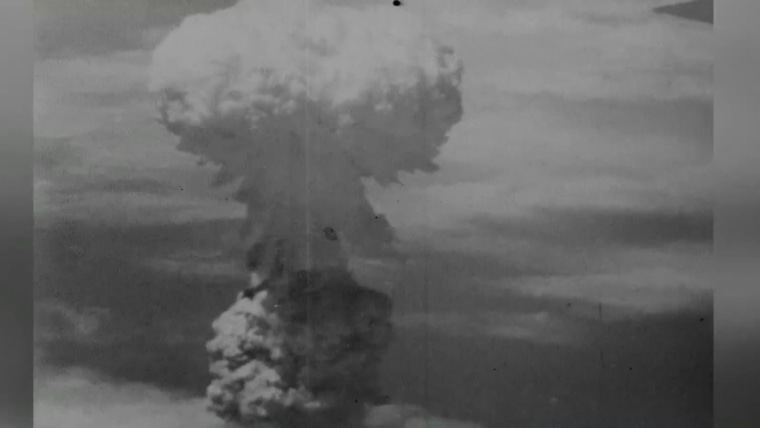
HIROSHIMA, Japan — For more than half a century, chimes have rung out across the Japanese city of Hiroshima every morning at exactly 8:15.
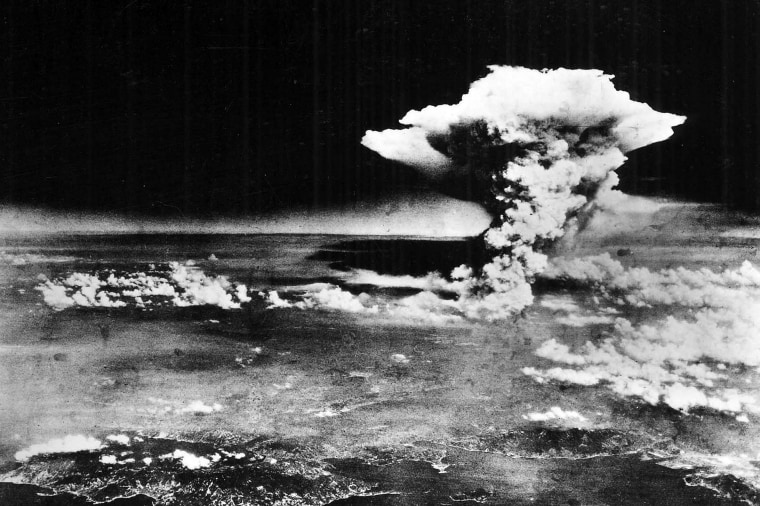
The solemn ritual marks the precise moment Aug. 6, 1945, when the U.S. bomber Enola Gay dropped the world’s first atomic bomb over Hiroshima, killing about 70,000 people instantly.
On Wednesday, people in Hiroshima commemorated the 80th anniversary of the devastating attack, as nuclear fears mount globally amid unresolved military conflicts in Ukraine and the Middle East.
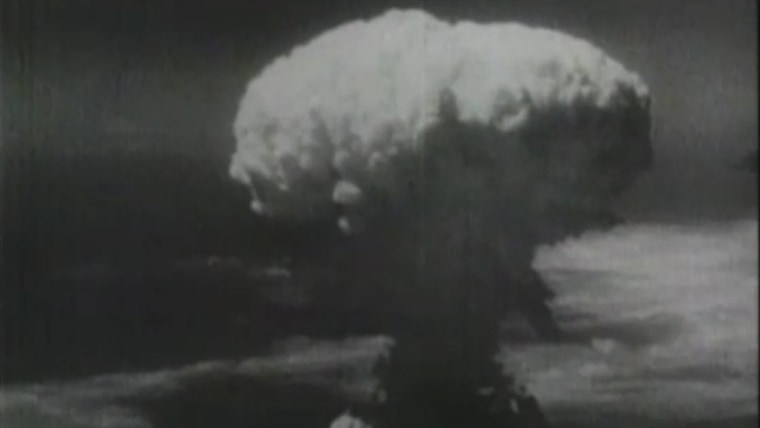
In a one-minute silent tribute, the city remembered the widescale death and destruction caused by the 10,000-pound bomb, which created a huge mushroom cloud that rose to more than 60,000 feet.
“It is our duty to convey the reality of the atomic bombings not only to the people of Japan but also to the people of the world,” Japanese Prime Minister Shigeru Ishiba said in a speech.
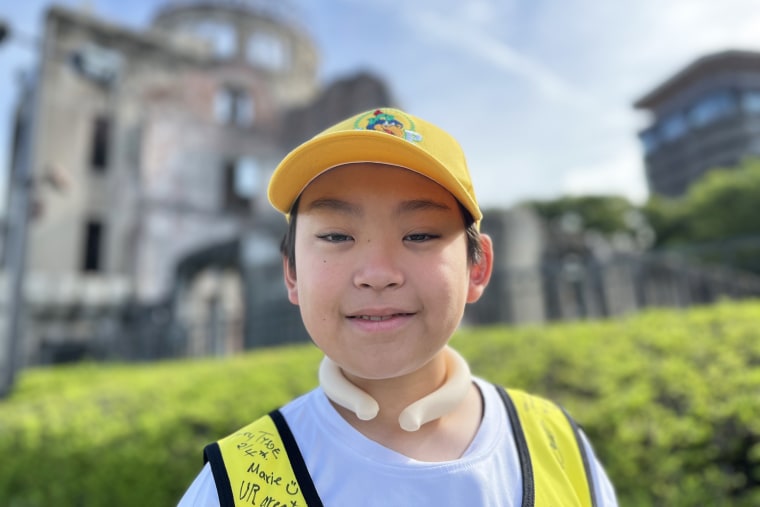
Initially meant to strike a T-shaped bridge, the bomb veered instead toward an exhibition hall with a distinctive dome, which after the explosion was the only building still standing within a 1-mile radius.
The blast unleashed a whirlwind of fire and force, incinerating thousands of people. Then came the radioactive black rain, which fell over the city, silently poisoning countless more.
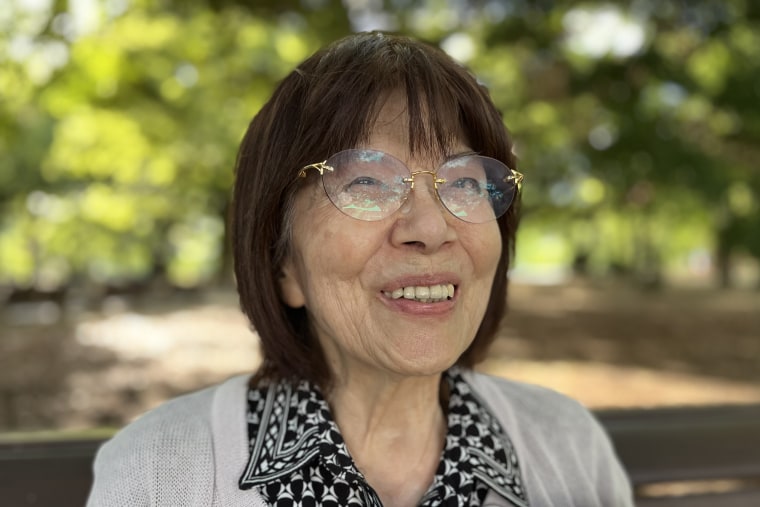
Teruko Yahata was 8 years old at the time.
Yahata, who is now in her 80s, says she still has a scar from when she was hurled by the blast. Fearing another bomb, she huddled under a blanket with her family.
“I didn’t really understand what it meant to die,” Yahata said, “but the warmth I felt at us dying together … I still remember to this day.”
Three days after bombing Hiroshima, the U.S. unleashed a second atomic bomb on the city of Nagasaki that killed another 40,000 people immediately.
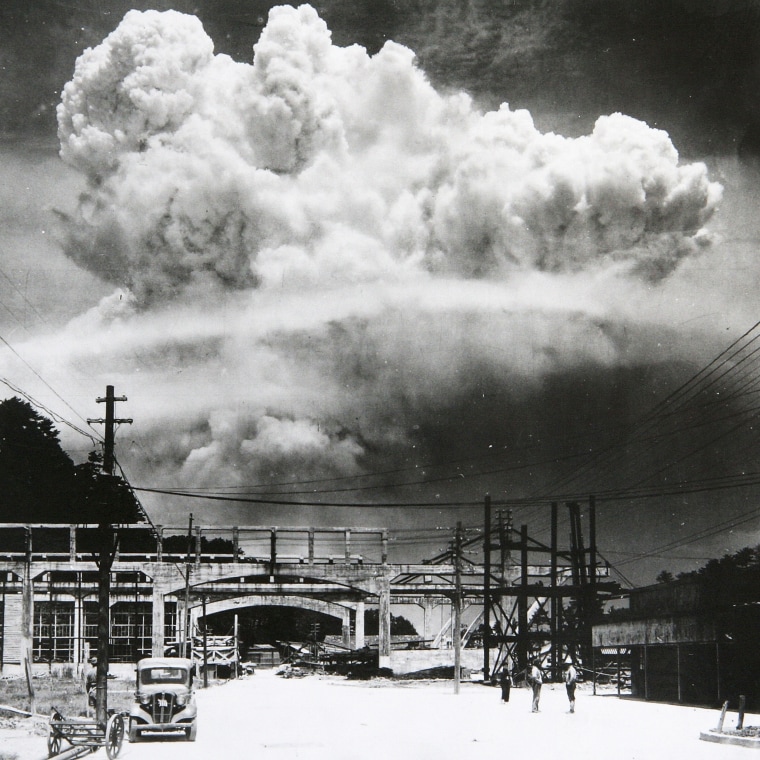
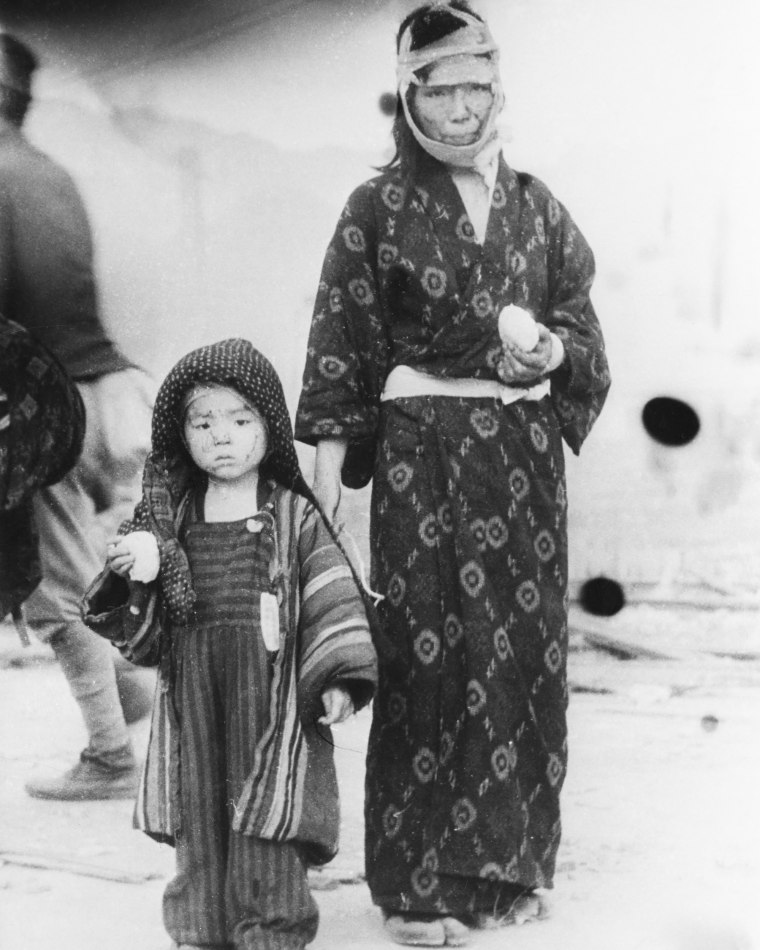
The unprecedented bombings hastened Imperial Japan’s surrender and the end of World War II, most historians say, though at the price of nearly a quarter-million lives.
From the ashes, Hiroshima was rebuilt into a busy city of more than a million people, drawing tourists from around the world.
Near the hypocenter, where the bomb detonated about 2,000 feet above, is a peace memorial park and museum that includes the iconic atomic dome. Using virtual reality headsets, visitors can immerse themselves in the bombing and its brutal aftermath while touring the park.
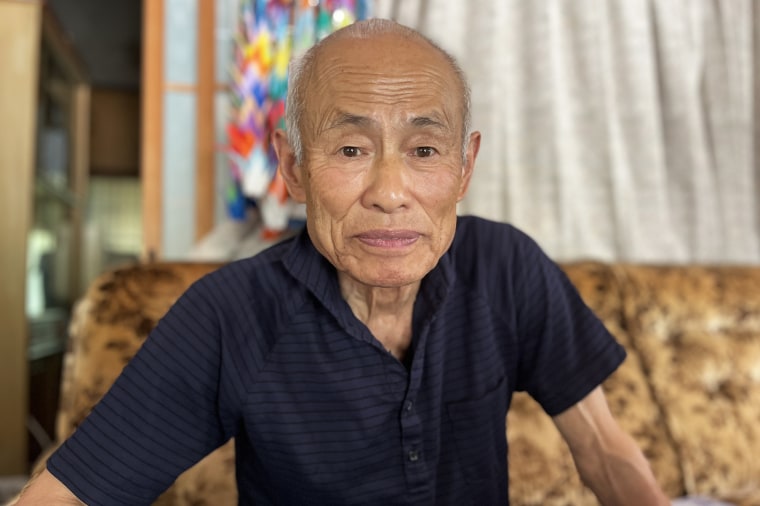
Yet, the bombing still feels visceral to Hiroshima survivors, who are called hibakusha, or “bomb affected persons.” Now more than 86 years old on average, they have spent most of their lives struggling with illness, depression and discrimination.
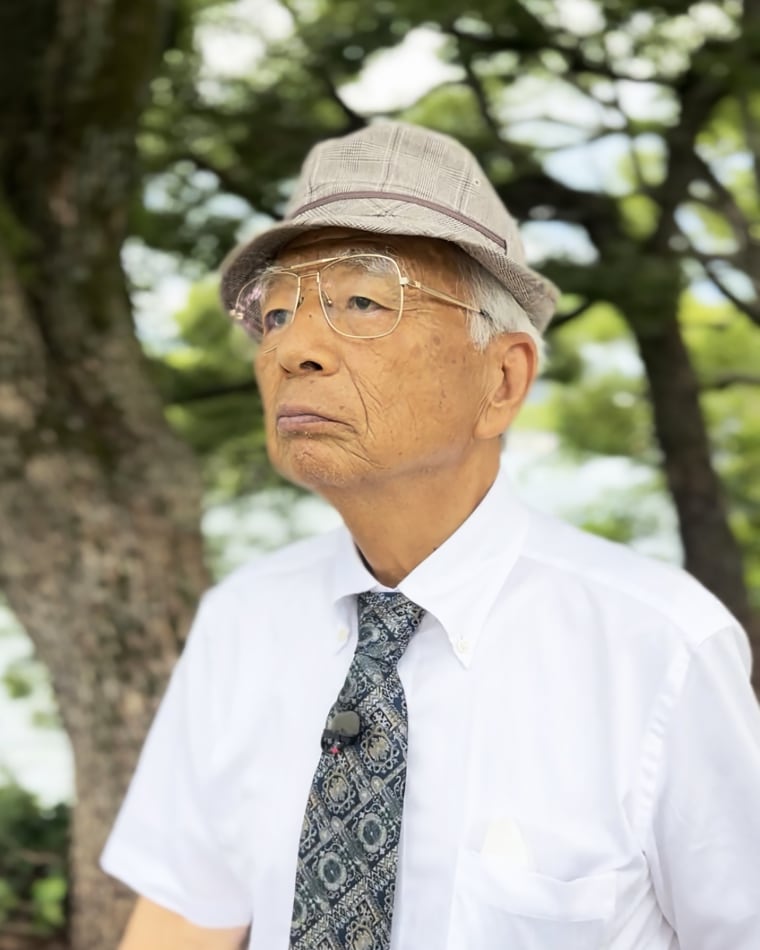
Kunihiko Iida, whose father was killed in the war and whose mother and older sister died shortly after the bombing, is now 83, defying predictions that he would not live to the age of 20.
Those who say the attacks on Hiroshima and Nagasaki saved lives, he said, “don’t know the reality of a nuclear bomb.”
Last year, the work of Japanese survivors’ group Nihon Hidankyo was awarded the Nobel Peace Prize.