HONG KONG — Global trade has been upended again after the Supreme Court struck down President Donald Trump’s “reciprocal” tariffs, with U.S. trading partners and businesses around the world grasping to understand the system that replaces them.
A new flat global tariff of 10% paid by U.S. importers took effect Tuesday, lower than the 15% that Trump said he would implement days before. Under Section 122 of the Trade Act of 1974, the 10% tariff can remain in place for 150 days without congressional approval.
China is the “biggest winner” from the Supreme Court ruling, with an effective U.S. tariff rate now much closer to that of other countries, said Alicia García-Herrero, chief economist for Asia-Pacific at French investment bank Natixis.
Among other benefits, China’s lower tariff rate reduces the incentive for companies to shift production to other countries in Asia, at least temporarily.
But the whiplash has created overwhelming uncertainty for key U.S. allies and some of Washington’s biggest trading partners, many of whom had already announced or were nearing trade deals with the U.S., some having offered major concessions with the aim of securing favorable rates under Trump’s now-defunct tariff regime.
In Asia, Trump administration officials had rushed to conclude deals in the weeks before the court ruling, with Indonesia agreeing to a 19% tariff rate only a day earlier.
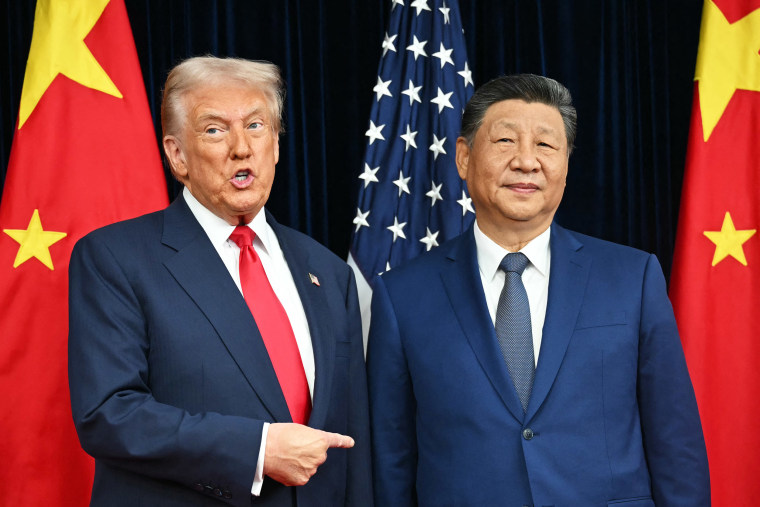
The tariff ruling also comes just weeks before Trump’s upcoming trip to China, where he hopes to maintain a delicate trade truce with the world’s second-biggest economy.
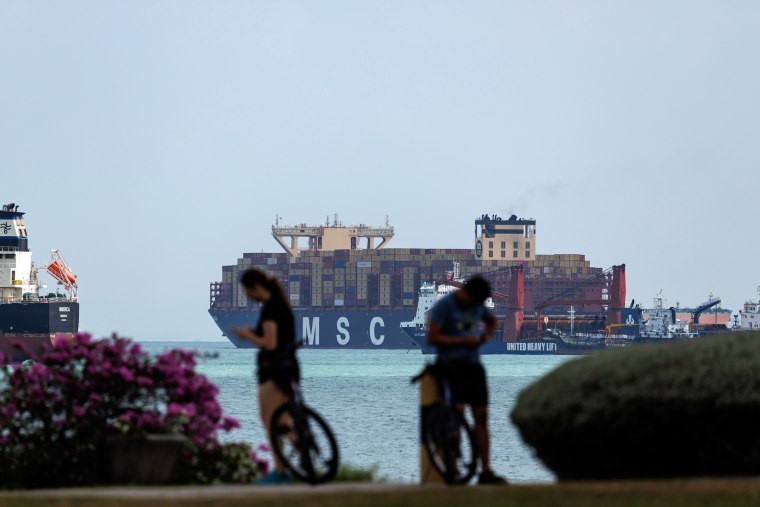
Those who stand to lose the most include Japan and Taiwan, both of which had previously pledged hundreds of billions in U.S. investment in exchange for a tariff rate of 15%. Singapore and Australia also stand to lose since they already had a relatively favorable tariff rate of 10%.
“If you’re Taiwan, you’re like, why on earth did I commit to $250 billion if I’m getting the same tariffs?” said García-Herrero, who is based in Hong Kong.
The Trump administration has said that it will stand by existing deals and that it expects U.S. trading partners to do so as well.
“The good news is that almost all countries and corporations want to keep the deal that they already made,” Trump said Tuesday in his State of the Union address, “knowing that the legal power that I as president have to make a new deal could be far worse for them.”
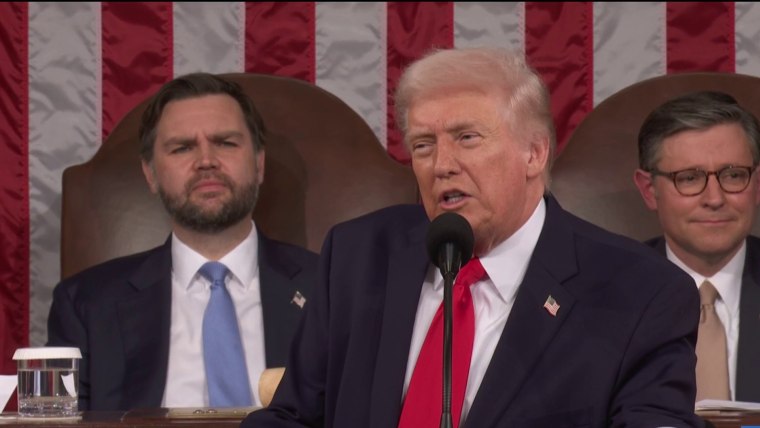
A day earlier, Trump said in a social media post that any countries that tried to “play games” with trade deals after the court ruling would be hit with much higher tariffs.
Major trading partners in Asia, highly dependent on U.S. exports, are generally sticking within the terms of their existing deals or taking a wait-and-see approach.
India, which had planned to sign an agreement in March, delayed a scheduled trade delegation visit to Washington last week, saying talks would resume once there was more clarity. Its trade minister then had a surprise lunch meeting in New Delhi on Thursday with Commerce Secretary Howard Lutnick.
While Trump officials say they expect the deals to be maintained, “point one of every deal is the reciprocal tariff rate,” said Deborah Elms, head of trade policy at the Hinrich Foundation in Singapore.
The primary question for many governments, she said, is whether their goods are now subject to their previous rates or the new 10% rate, which the White House has not clarified.
“That right there is causing a fair amount of anxiety over what is the actual rate, and then what happens to the rest of the agreement,” Elms said.
U.S. Trade Representative Jamieson Greer said last week that for some countries, which he did not name, tariff rates would rise to 15% or even higher while remaining compatible with existing deals.